

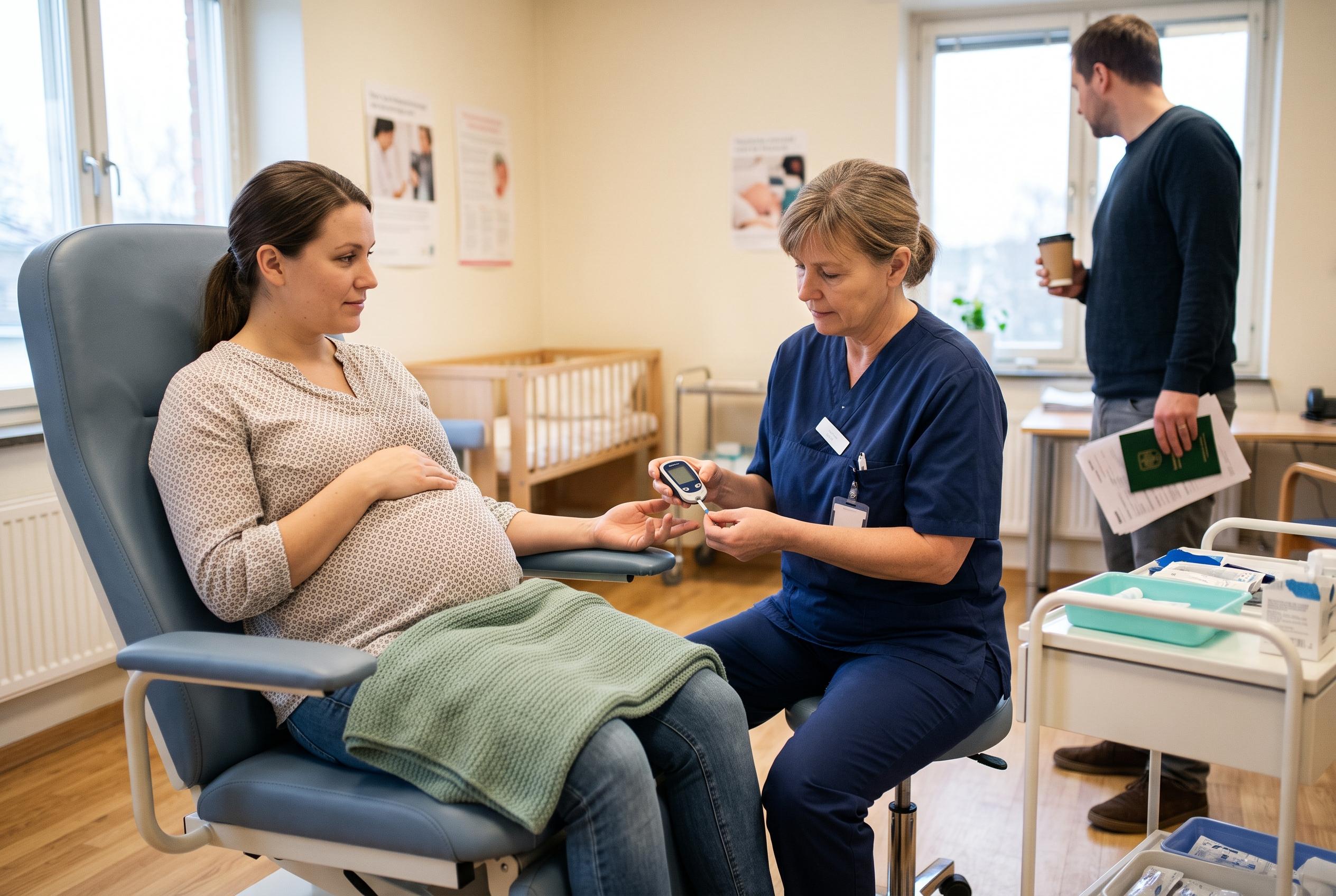

A new study from Karolinska Institutet reveals a sharp rise in gestational diabetes across Sweden, with lower socio-economic groups and women born outside the country facing higher risks and complication rates, highlighting social disparities in maternal health.
Gestational diabetes is becoming markedly more common in Sweden, and a new Karolinska Institutet study suggests the rise is falling unevenly across society. Published in The Journal of Clinical Endocrinology & Metabolism, the research found that prevalence climbed from 1.5% of pregnancies in 2015 to 6.6% in 2023, with the sharpest increases seen among women born outside Sweden, women with lower educational attainment and those on lower incomes.
The study drew on 938,798 pregnancies recorded between 2015 and 2023 and linked the Swedish Pregnancy Register with national population registers. That nationwide approach gave the researchers a broad view of how gestational diabetes tracks with social and demographic factors, rather than treating the condition as a uniform risk across all pregnant women.
According to the researchers, gestational diabetes was also linked to a higher chance of pregnancy-related complications, including high blood pressure during pregnancy and problems during childbirth. The association was stronger among women with less education than among those with postsecondary qualifications, although the team did not find a clear difference by income when looking at the burden of complications.
The relationship between gestational diabetes and complications also varied by region of birth. The study found that, relative to Swedish-born women, the link was weaker in several foreign-born groups, yet some women born in Africa and south-east Asia still had higher overall rates of complications. Nina Kaegi-Braun, a physician and researcher at Karolinska Institutet, said the findings point to the need for prevention strategies that take both social and demographic factors into account, while also underscoring how much remains unknown about the role of care pathways and living conditions. The researchers noted that their analysis was limited by registry data, which did not include factors such as physical activity, sleep or social support, and that screening practices and diagnostic criteria varied between regions during the study period.
Disclaimer: This content is for informational purposes only and is not intended to be a substitute for professional medical judgment, advice, diagnosis, or treatment.



