

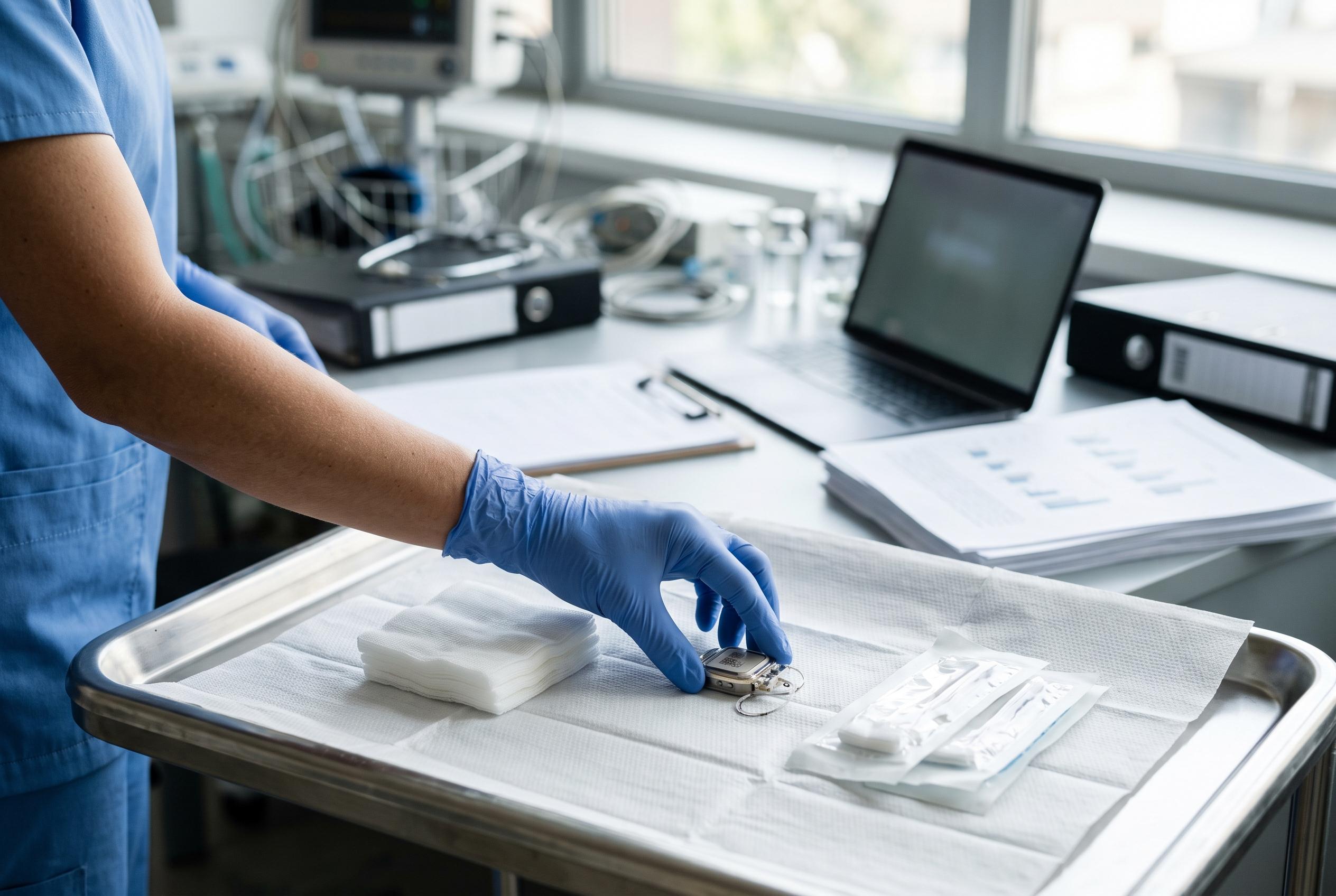

GlucoTrack, still navigating development hurdles, has announced a fresh $3.1 million public offering amid continued reliance on external funding to bring its innovative implantable glucose monitor to market.
GlucoTrack has moved to raise fresh capital just days after outlining a separate financing package, underscoring how heavily the diabetes technology company still depends on outside funding as it works towards commercialising its implantable glucose monitor. In a filing and related announcement on September 24, the company said it priced a public offering of 169,388 common shares at $2.04 each, alongside pre-funded warrants that could be exercised for up to 1,350,220 additional shares at $2.039 apiece. GlucoTrack said it expects gross proceeds of about $3.1 million before fees and expenses, with Dawson James Securities acting as sole placement agent.
The new offering comes after GlucoTrack disclosed on September 11 that it had reached definitive agreements for about $11.5 million in convertible notes, including new cash and the rollover of existing debt. That financing was structured at an initial conversion price of $3.12 a share and included warrants exercisable at $7.50, suggesting investors have been willing to provide capital, but on terms that reflect the company’s early-stage status and financial strain.
For GlucoTrack, the need to keep returning to the market is tied to the long road from development to revenue. The company is advancing a fully implantable continuous blood glucose monitoring system aimed at adults with type 1 and type 2 diabetes. In May, it said it had submitted an Investigational Device Exemption application to the US Food and Drug Administration to begin a US clinical study, and later reiterated that it was targeting a clinical trial launch in the second half of 2026. The company also said peer-reviewed studies in The Journal of Diabetes Research and IEEE Sensors Journal supported the technology.
The latest fundraising follows another major corporate change in July, when GlucoTrack completed its strategic business combination with Lōkahi Therapeutics. The company described that deal as creating a publicly listed, capital-efficient platform for identifying and developing healthcare assets. Even so, the balance sheet remains under pressure. GuruFocus data cited in connection with the offering show that GlucoTrack has no revenue, making traditional price-to-sales and price-to-earnings measures unhelpful, while its GF Score stands at 27 out of 100, indicating weak overall quality and momentum.
The same data point to a stock that remains deeply out of favour. GuruFocus said the shares were trading near a 10-year low and the company’s market capitalisation was about $2 million, with financial strength rated only 4 out of 10. It also reported no recent insider trading and no premium guru holdings or transactions in the stock. For investors, the appeal lies in the potential of a novel implantable monitor that does not rely on an on-body wearable sensor; the risk is that the company still has to fund clinical, regulatory and operational work before that promise can be translated into sales.
Disclaimer: This content is for informational purposes only and is not intended to be a substitute for professional medical judgment, advice, diagnosis, or treatment.



