

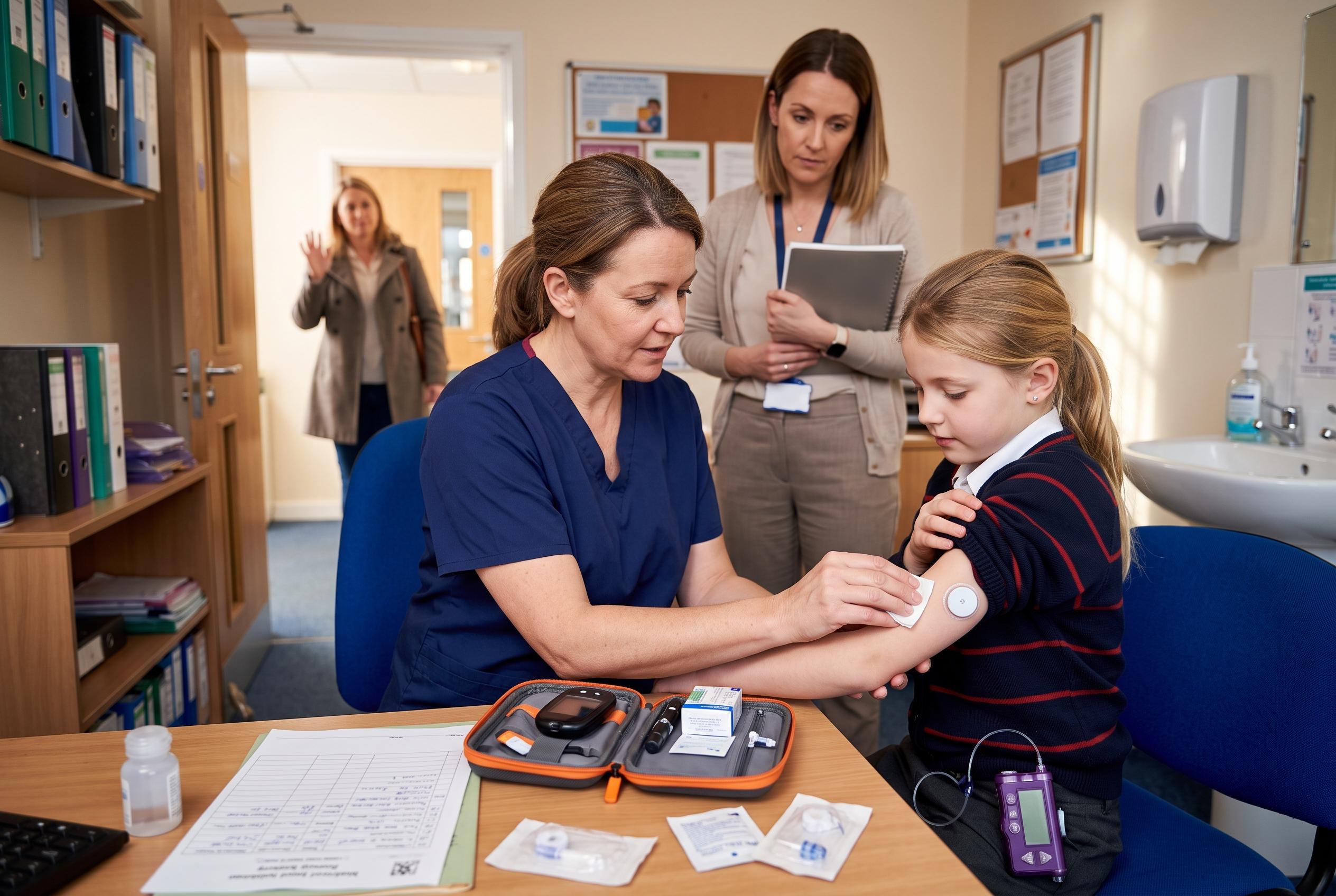

As children return to school, experts highlight the importance of personalised plans and staff training to ensure safe and inclusive diabetes care, addressing persistent gaps in support and communication.
For families of children with type 1 diabetes, the start of the school year can bring as much anxiety as excitement. The condition requires close day-to-day management, because blood glucose levels can shift with food, exercise, stress, illness and medication. The US Centres for Disease Control and Prevention says schools play a central role in that care, with a written Diabetes Medical Management Plan and staff who know how to respond to both high and low blood sugar.
Ciara Stevens, a registered nurse and certified diabetes educator in Nova Scotia, knows that challenge from both sides. She was diagnosed with type 1 diabetes at 11 and said she “took it and ran with it”, learning to adapt as monitoring devices and insulin options improved. But, she said, her experience is not universal, because children and families respond differently to the diagnosis and to the routines that come with it. That is why the approach for one student may not suit another.
Stevens also underscored how many variables shape glucose control. Diet matters, but so do medicine, movement and a host of other factors that can change from one day to the next. The broader medical literature backs that up: a review on school-based diabetes care found that effective management depends on frequent blood sugar checks, access to insulin by injection or pump, staff education and support for daily routines such as meals and activity. A separate review highlighted persistent gaps in communication, training and after-school support, which can leave students vulnerable if schools are not prepared.
That is why experts stress planning before the first bell rings. The CDC recommends that families, clinicians and school staff work together on a Diabetes Medical Management Plan that sets out target glucose ranges, insulin instructions, meal and snack timing and physical activity guidance. It also recommends a 504 plan in the US to protect equal access to education. In Canada, the Canadian Paediatric Society similarly calls for coordinated support, regular meals, access to emergency supplies and training for school personnel so children can stay safe and take part fully in class, recess and other activities.
Disclaimer: This content is for informational purposes only and is not intended to be a substitute for professional medical judgment, advice, diagnosis, or treatment.



