

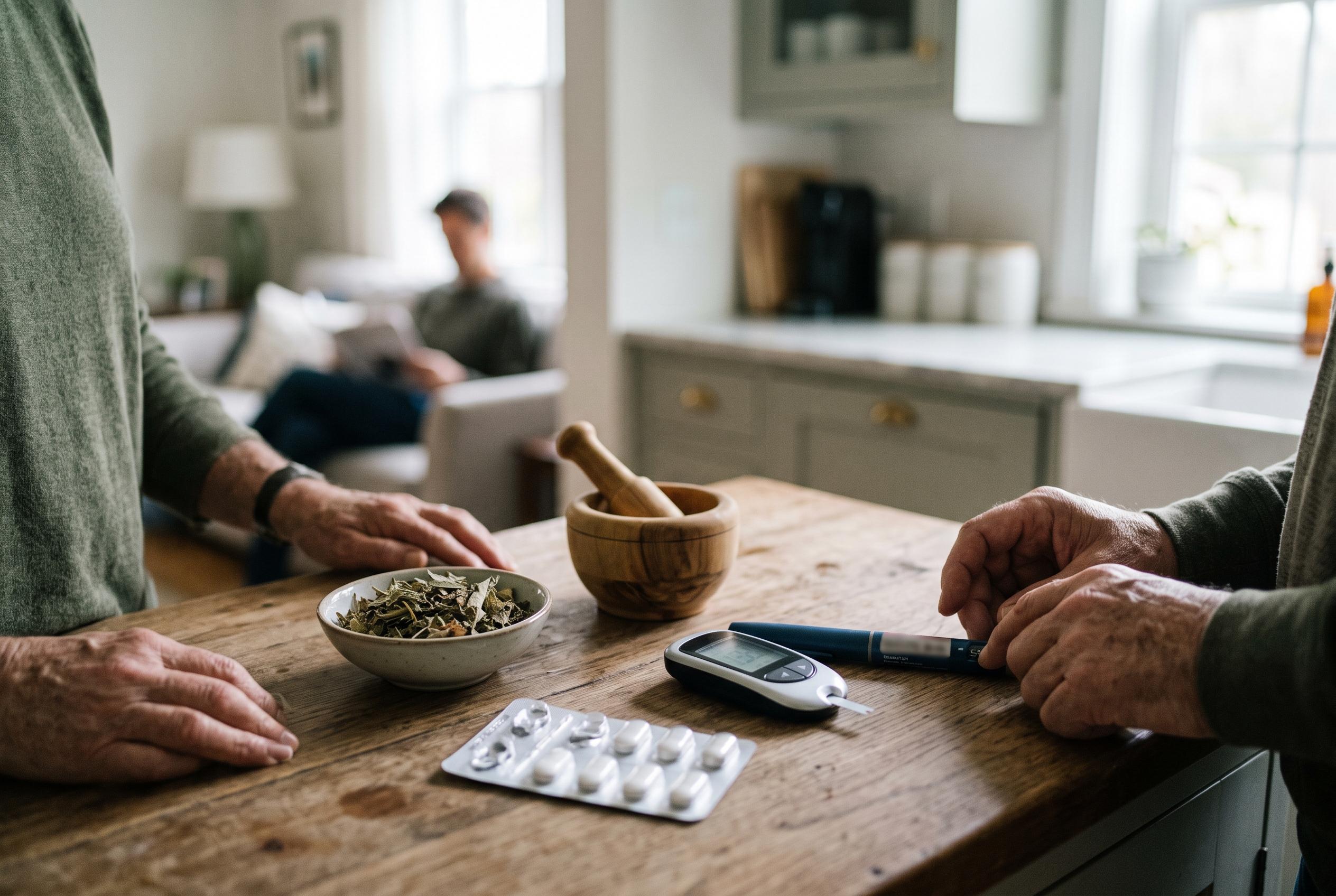

A new essay emphasises that while herbs can aid wellbeing, serious conditions like diabetes and cancer require proven medical treatments, highlighting the dangers of relying solely on natural remedies.
Herbs can play a useful role in everyday wellbeing, but they are not a substitute for modern medicine when serious illness is involved. In an essay on Druid Life, Nimue Brown argues that romantic ideas about plants and “natural” living can become dangerous when they are treated as a cure-all. Her point is stark: for type 1 diabetes, insulin is not optional; for some cancers linked to human papillomavirus, herbal remedies are no answer; and for people who need transplants or other specialist treatment, plants alone cannot keep them alive.
That argument is broadly consistent with mainstream medical guidance. Diabetes UK says there is no cure for type 1 diabetes and that insulin remains the essential treatment. Medical News Today and Healthline both note that while some herbs and supplements may help lower blood glucose in people with type 2 diabetes, the evidence is limited and they should not replace prescribed care. The same caution applies to online claims about natural HPV treatments, which Healthline says remain unproven and require far more research before they can be trusted.
Brown’s essay also makes a wider point about privilege and risk. It is easy, she suggests, to praise herbal self-care as a sign of wisdom when a person has never faced a life-threatening condition that requires prompt, expert intervention. That warning matters because many of the people most exposed to illness are also those with the least access to stable housing, clean air, safe water and green space, all of which shape health long before a prescription is written. In that sense, medicine is not only a matter of biology, but of social conditions and public responsibility.
The strongest part of the essay is its refusal to set nature against science. Brown does not reject herbs; she says she uses ginger for stomach upset, chamomile and lavender for sleep, and yarrow for minor skin damage. What she rejects is the idea that plants can do everything. Her case is that a humane society should make room for both traditional remedies and modern treatment, while recognising that when a condition is serious, access to effective medicine is not a luxury but a necessity. That is especially true in systems where treatment depends on wealth or insurance, and less so in countries with broader public provision, where illness does not have to become financial ruin.
Disclaimer: This content is for informational purposes only and is not intended to be a substitute for professional medical judgment, advice, diagnosis, or treatment.



