

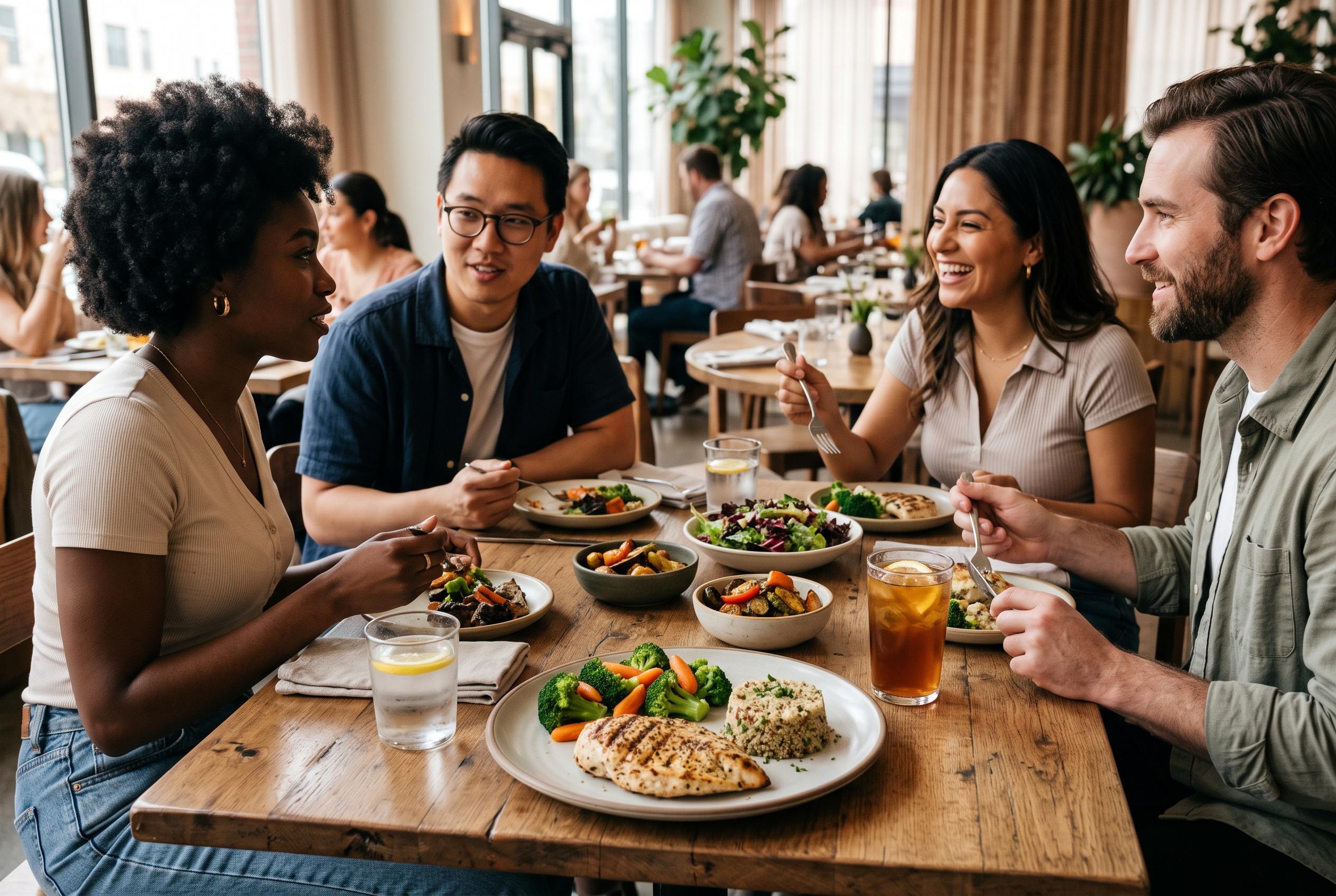

Eating out with diabetes can be enjoyable and safe with strategic planning. Experts suggest pre-selecting dishes, controlling portions, choosing healthier drinks, and timing meals carefully to keep blood sugar levels steady while socialising.
Eating out with diabetes does not have to mean giving up restaurant meals, but it does call for a little planning. Guidance from the Centres for Disease Control and Prevention, the Mayo Clinic and other health sources all points in the same direction: decide ahead of time, choose simpler dishes and keep an eye on portions. That approach can make it easier to enjoy the meal without sending blood sugar sharply higher.
One of the simplest defences is to scan the menu before you arrive. The CDC advises looking at options in advance, ordering water when you sit down and favouring grilled, baked, steamed or broiled dishes rather than fried or breaded ones. Hidden sugar is another concern. Sauces, dressings and marinades often contain more carbohydrate than diners expect, especially when items are described as sweet, honey-glazed, barbecue or teriyaki. Asking for sauces on the side and choosing oil and vinegar or another plain dressing can help limit that risk.
Portion control matters just as much as what is on the plate. The Mayo Clinic says managing portions is one of the easiest ways to keep a balanced diabetes eating plan on track. A practical tactic is to box up half the meal as soon as it arrives, or to share an entree. Another option is to build the plate around vegetables and lean protein first, then add a modest serving of starch. That can mean grilled chicken, fish or tofu alongside non-starchy vegetables, with a smaller serving of rice, potato or quinoa.
What you drink can be as important as what you eat. Water, sparkling water and unsweetened tea are the safest choices for avoiding unnecessary glucose spikes. Sugary drinks, including soda, sweet tea, lemonade and many coffee shop drinks, can add a large dose of sugar without making you feel full. Alcohol deserves extra caution: because the liver prioritises processing it, blood sugar can fall unexpectedly, sometimes hours later. Health guidance recommends drinking only with food and monitoring glucose closely if alcohol is involved.
Timing also matters, especially if meals run late. If a person takes blood-sugar-lowering medicine too early and the food is delayed, the risk of hypoglycaemia rises. That is why diabetes educators often advise carrying a fast-acting snack, such as glucose tablets, and checking with a care team about medication timing before going out. After the meal, testing blood sugar about two hours after the first bite can help people spot patterns and learn which restaurant choices affect them most. In the end, the goal is not restriction for its own sake but a steadier routine that still leaves room for social meals and enjoyment.
Disclaimer: This content is for informational purposes only and is not intended to be a substitute for professional medical judgment, advice, diagnosis, or treatment.



