

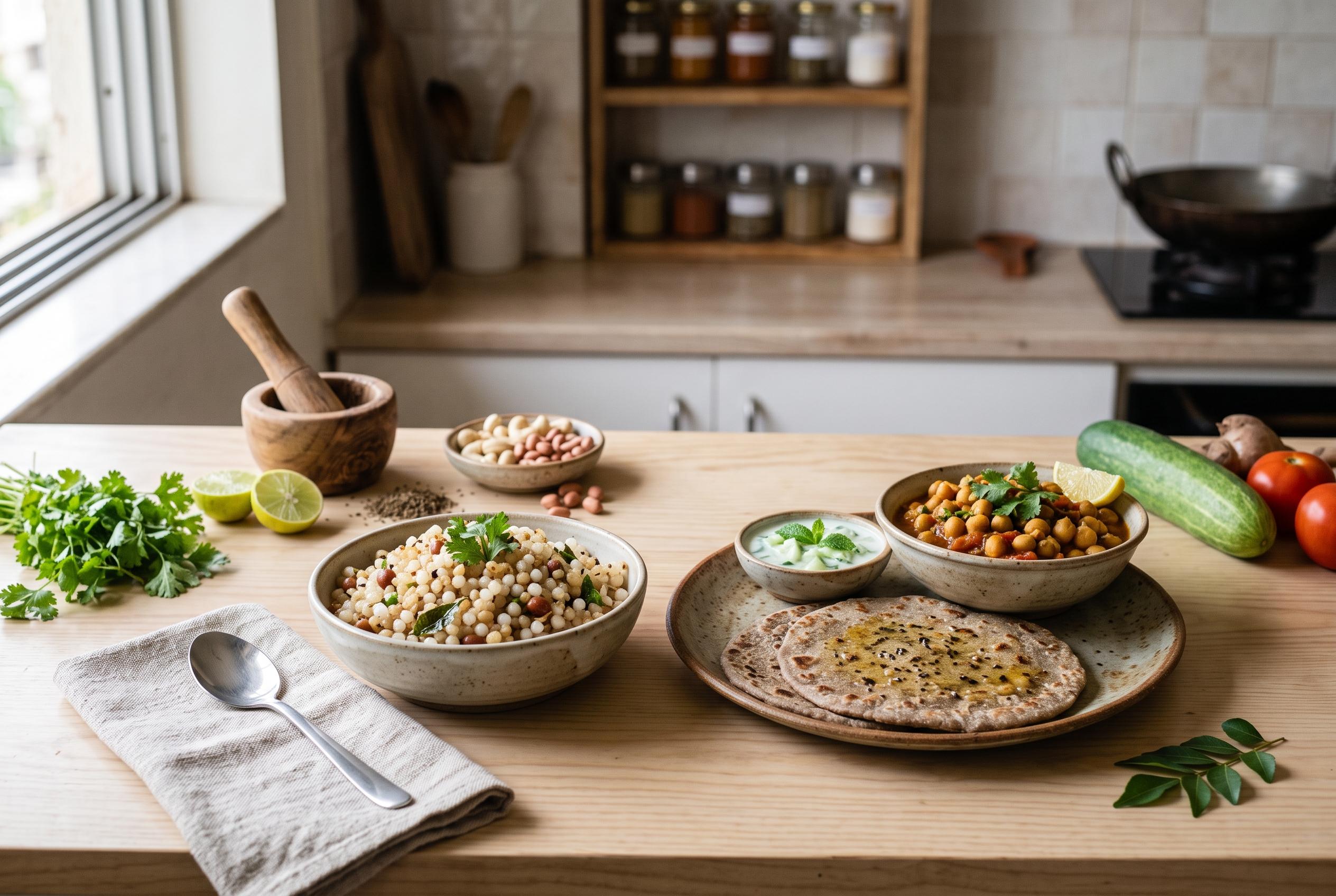

Nutrition experts warn that traditional vrat foods like sabudana, potatoes, and kuttu flour can lead to imbalance if not combined wisely, prompting a shift towards more balanced, protein-rich options to maintain energy and health during the festival.
Janmashtami fasting is meant to be a disciplined, devotional practice, but nutrition experts say the vrat thali can become heavy if it leans too much on sabudana, kuttu flour and potatoes. These foods are widely accepted during the fast, alongside fruits, dairy, nuts and other vrat-friendly ingredients, but they are not automatically healthy simply because they are permitted, according to food guides and festival coverage in Times of India and Curly Tales.
Dietitian Geetika Chopra, as quoted in the TV9 Hindi report, warns that a meal built around large portions of sabudana, buckwheat flour and potatoes can tilt the plate towards carbohydrates while leaving it short on protein and fibre. That matters because sabudana and potatoes digest quickly, which can push blood sugar up fast and leave people hungry again soon afterwards. Similar warnings have been echoed in health coverage on fasting mistakes during Navratri, which noted that too much sabudana and too many potatoes can make a vrat diet less balanced.
The problem is not the ingredients themselves so much as how they are combined and cooked. Kuttu is generally a better choice than a plate dominated by sabudana and potatoes because it brings more fibre and plant protein, but deep-frying kuttu puris or pakoras adds a large fat load. NDTV and Hindustan Times have both reported that fried vrat foods, oversized portions and repeated use of potatoes are common mistakes that can undo the lighter, satvik intent of the fast.
A better approach is to pair fasting staples with protein and moisture: sabudana with peanuts, vegetables and a little curd; kuttu rotis with paneer, yoghurt or a vegetable dish; and potatoes in a supporting role rather than as the main event. The TV9 Hindi piece also recommends coconut water, milk, nuts, seeds and seasonal fruit in sensible amounts, while Times of India’s Janmashtami guide similarly highlights dairy, nuts and fruit as part of an acceptable vrat menu. The goal is to avoid the post-fast slump of heaviness, cravings and low energy by keeping the meal balanced, modest and less oily.
Disclaimer: This content is for informational purposes only and is not intended to be a substitute for professional medical judgment, advice, diagnosis, or treatment.



