

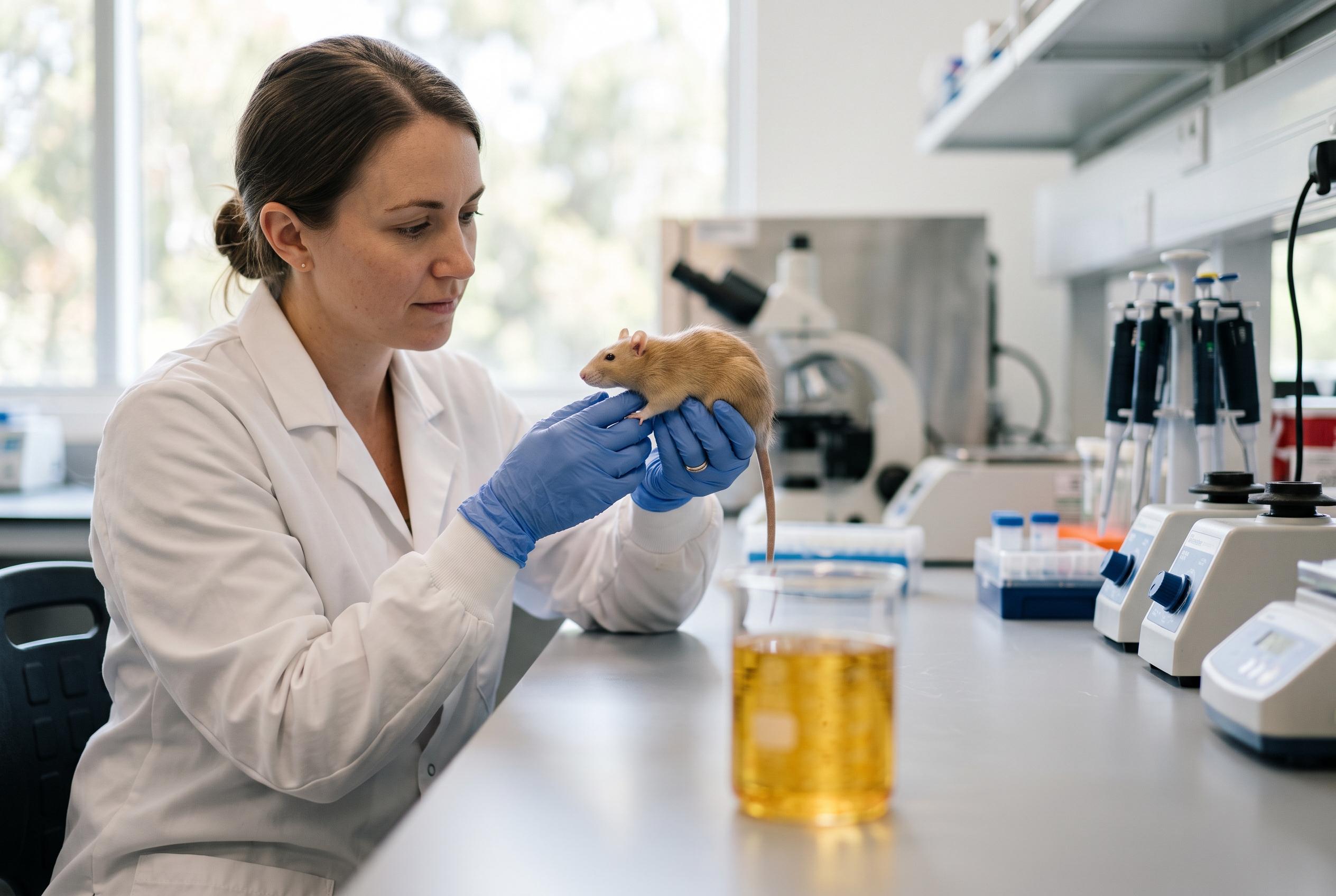

Indonesian researchers discover that nanoparticles derived from mango and lime peels improve blood sugar and lipid markers in diabetic rats exposed to cigarette smoke, highlighting potential metabolic benefits of fruit waste by-products.
Researchers in Indonesia have reported that nanoparticles made from mango and lime peel extracts improved several markers of diabetes in rats exposed to cigarette smoke, adding to a growing body of evidence that fruit peel by-products may have value beyond waste. The paper, published in the Indonesian Biomedical Journal, tested a combined mango-lime formulation called NanoMC in smoke-exposed diabetic rats and found better blood sugar control, improved cholesterol-related measures and less pancreatic tissue damage than in untreated animals.
The study is notable because cigarette smoke is known to worsen glucose control and disturb fat metabolism, compounding the strain of diabetes. In the animal experiment, the researchers used three doses of NanoMC after preparing the extracts with an emulsion-solvent evaporation method and then refining them with sonication and homogenisation. They reported lower blood glucose, HbA1c, triglycerides, total cholesterol and LDL cholesterol, alongside higher insulin, HOMA-β and HDL cholesterol, with the strongest effects seen at the highest dose.
The findings fit with earlier work on mango peel. A 2022 study indexed in PubMed found that mango “Ataulfo” peel extract improved insulin sensitivity and lipid profiles in prediabetic rats. Another study, published in 2014, reported that dietary mango peel improved blood glucose, lipid levels and antioxidant enzyme activity in diabetic rats. A separate paper in 2015 found that mango peel extract inhibited enzymes involved in carbohydrate digestion and reduced blood glucose in diabetic rats.
The new study also echoes more recent research on citrus-based nanomaterials. In 2024, a PubMed-indexed paper on tangerine peel-derived exosome-like nanovesicles found improvements in lipid metabolism and insulin sensitivity in diabetic liver disease. Taken together, the studies suggest that plant peels can be a source of bioactive compounds with possible metabolic benefits, although the evidence remains preclinical and limited to animal models.
Disclaimer: This content is for informational purposes only and is not intended to be a substitute for professional medical judgment, advice, diagnosis, or treatment.