

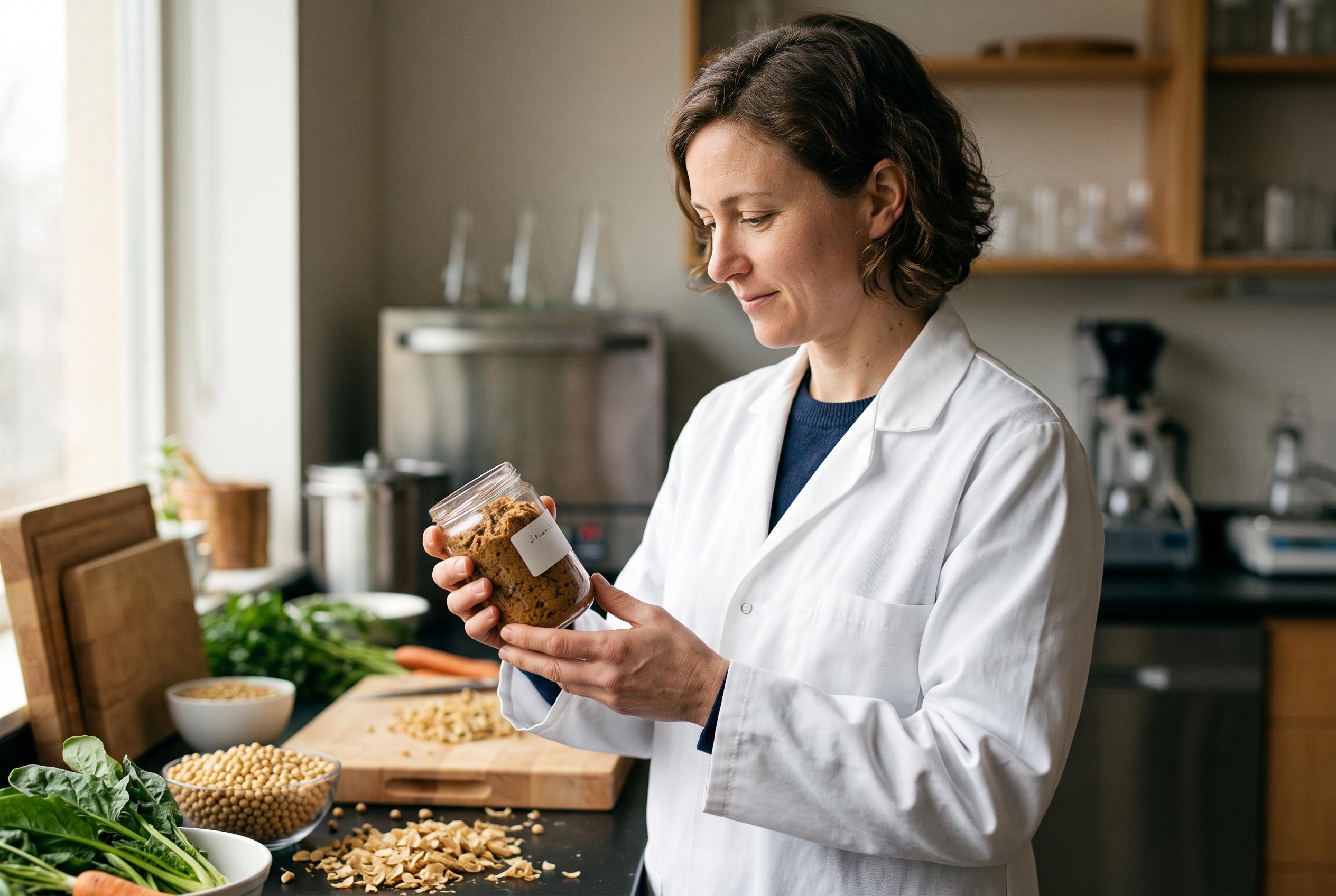

Scientists discover that fermenting soybean hulls can enhance their nutritional value and potential as a higher-value food ingredient, offering a new use for agricultural by-products.
Researchers have found that soybean hulls can be turned into tempe, opening a possible route to higher-value use for a by-product that is often treated as waste. According to the study in the journal Food Chemistry, fermentation changed the fibre profile of the hulls and improved their in vitro antidiabetic properties, suggesting a potential role for the ingredient in functional foods.
Soybean hulls are the outer layer removed during processing of soybeans, and they are rich in dietary fibre. A broader review of cereals and legumes published by Fermentation says that fermentation can improve palatability, alter nutrient composition and increase nutrient bioavailability by changing how microorganisms use and transform food components. That context matters here because tempe-making relies on microbes to reshape the raw material rather than simply preserve it.
The soybean-hull study adds to a growing body of work showing that fermentation can do more than extend shelf life. In related research on other plant materials, scientists have reported that fermentation can modify fibre structure and functionality, with implications for digestion, texture and possible metabolic effects. The latest paper suggests soybean hulls may join that list, though the findings were based on laboratory tests rather than human trials.
If confirmed in further studies, the approach could help widen the use of soy-processing leftovers in food production while also supporting the development of ingredients with added health value. It would also fit a wider trend in food science towards upcycling agricultural by-products into products with nutritional or commercial potential.
Disclaimer: This content is for informational purposes only and is not intended to be a substitute for professional medical judgment, advice, diagnosis, or treatment.



