
As GLP-1 treatments like semaglutide and liraglutide reduce appetite and alter digestion, experts emphasise the importance of tracking diet, hydration and micronutrients to prevent deficiencies and support overall health.
People taking GLP-1 medicines may find that eating less feels almost effortless. Appetite often drops, meals become smaller, and the scales can start moving without much conscious effort. But that same ease can make it harder to spot what is missing from the diet, including protein, fibre, fluids and key vitamins and minerals.
According to the MyFitnessPal article, tracking can help people notice those gaps before they become a problem. The company says the goal is not to eat more, but to make sure each smaller meal still delivers enough nutrition. That matters because GLP-1 drugs such as semaglutide and liraglutide reduce appetite, increase fullness and slow gastric emptying, meaning food stays in the stomach longer, according to Drugs.com and a study published in the International Journal of Obesity.
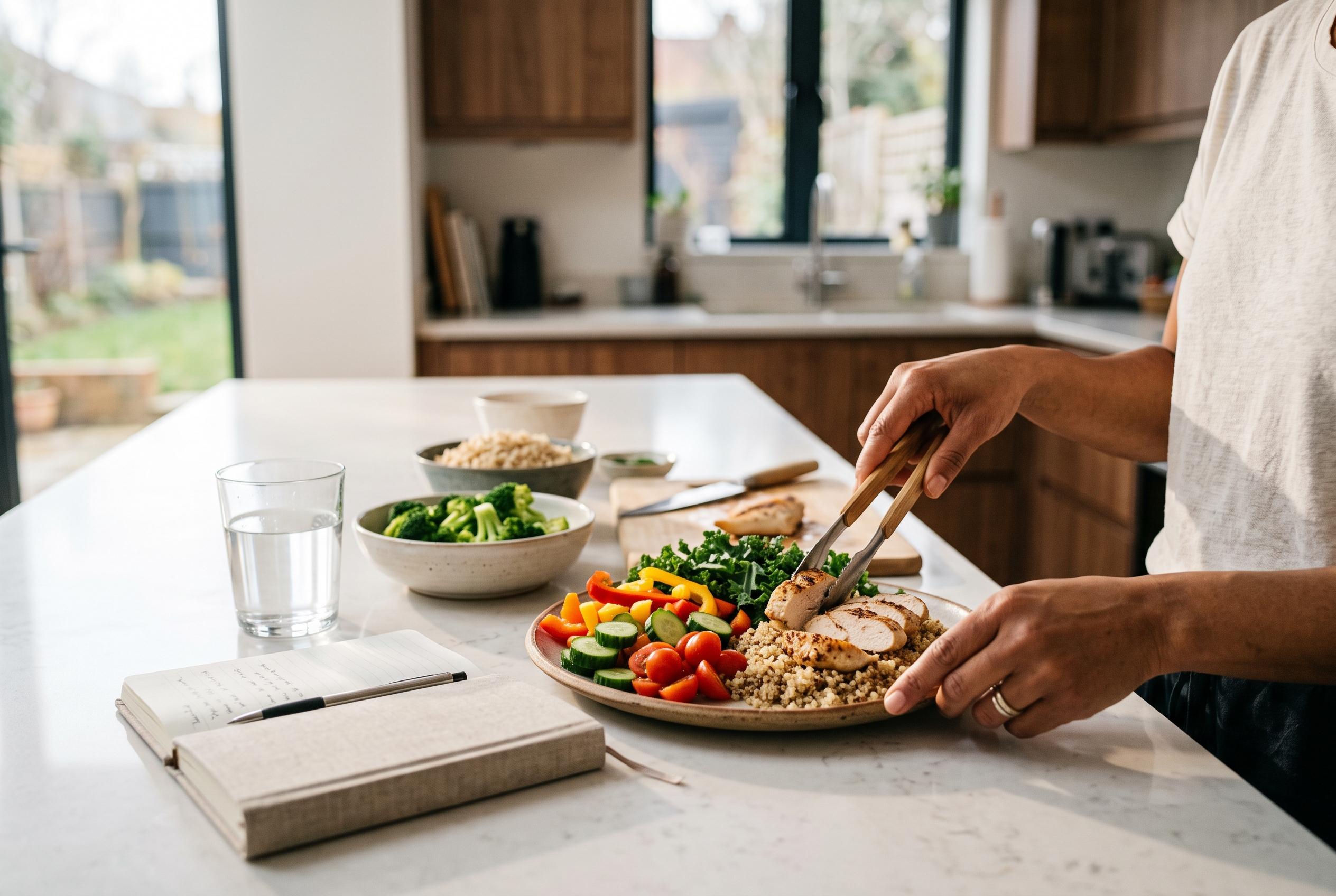
Protein is one of the first things that can fall short when portions shrink. MyFitnessPal’s head of nutrition, Melissa Jaeger, says users should keep protein a priority even when total calories fall, and she recommends strength training as another way to help preserve lean mass. Healthline also notes that monitoring more than body weight can be useful on GLP-1 treatment, because muscle loss can matter as much as fat loss over time.
Calories can also drift too low without people realising it. The MyFitnessPal piece points out that logging can reveal patterns of under-eating, especially when fatigue or other side effects appear. It cites National Institutes of Health guidance that adults should generally not go below 1,200 calories a day for women or 1,500 for men, although individual needs vary. Smaller, more frequent meals may be easier to tolerate than three large ones.
Hydration is another concern. The article says people on GLP-1 medicines may feel less thirsty, so a water log can help them keep an eye on fluid intake. Fibre deserves similar attention. Fit and Well reported that fibre-rich foods can help with common GLP-1 side effects such as constipation and bloating, while also supporting overall diet quality. The MyFitnessPal advice is to increase fibre gradually and pair it with fluids.
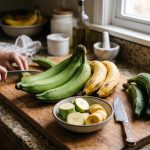
The same logic applies to micronutrients. When appetite is lower, it becomes easier to miss out on calcium, iron, potassium and other essentials. The article suggests looking for foods that deliver more nutrition per bite, such as dairy or fortified alternatives for calcium, beans and tofu for iron, and bananas, potatoes and greens for potassium. Its broader message is that tracking can be a practical way to adapt eating habits as appetite changes, rather than a tool for perfection.
Disclaimer: This content is for informational purposes only and is not intended to be a substitute for professional medical judgment, advice, diagnosis, or treatment.