
A University of Mississippi-led study reveals that personalised remote support helps rural Mississippi patients feel more in control of their diabetes, addressing access challenges and fostering ongoing engagement beyond clinical metrics.
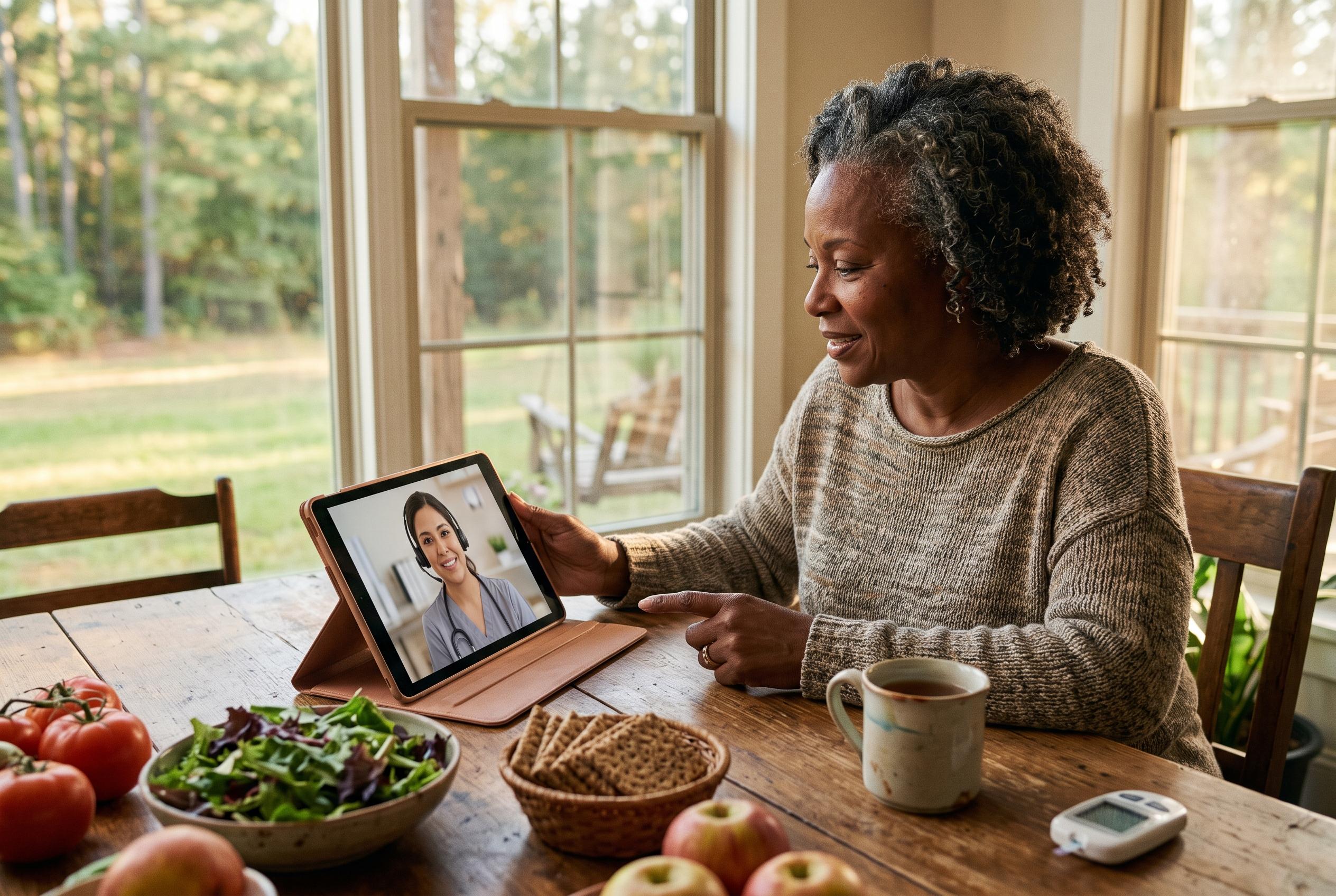
Telehealth coaching is helping some rural Mississippi patients feel more in control of diabetes management, according to a University of Mississippi-led study that looked beyond blood sugar readings to the day-to-day experience of care. The research, published in the International Journal of Environmental Research and Public Health, suggests that personalised support delivered remotely can make a difficult condition feel more manageable for people who often live far from clinicians and diabetes educators.
Mississippi has one of the highest diabetes rates in the United States, with around one in seven residents affected, and the burden is especially heavy in rural areas where access to care can be patchy. Caroline Brock, a public health master’s student and co-author of the study, told the publication that transportation barriers, food insecurity and a shortage of providers all make it harder for people to receive continuous support. Catherine Moring, programme co-ordinator for Diabetes Solutions, said the research aimed to understand why patients stayed with the programme, what kept them engaged and where they struggled.
The study followed 27 patients in Diabetes Solutions, a Mississippi-based telehealth diabetes self-management education and support programme. Rather than focusing primarily on clinical markers, the researchers wanted to capture how participants experienced coaching, education and check-ins over time. Participants said they valued having someone who listened without judgement and helped them build realistic habits, while Brock said many found the relationship with their coach reduced the sense of isolation that can come with managing a chronic illness.
The findings fit with earlier research on the Mississippi Diabetes Telehealth Network, which showed telehealth can help bridge gaps in underserved areas and provide the continuous support chronic disease patients need. A later retrospective study found remote patient monitoring could deliver short-term gains, though sustaining those improvements after the intervention remained a challenge. A separate qualitative study published this year also found that personalised telehealth coaching can empower rural patients and improve self-management, reinforcing the idea that access alone is not enough without ongoing, tailored support. Allison Ford-Wade, chair and professor of public health, said telehealth offers one of the few realistic ways to reach patients across a state where healthcare access remains uneven.
Disclaimer: This content is for informational purposes only and is not intended to be a substitute for professional medical judgment, advice, diagnosis, or treatment.