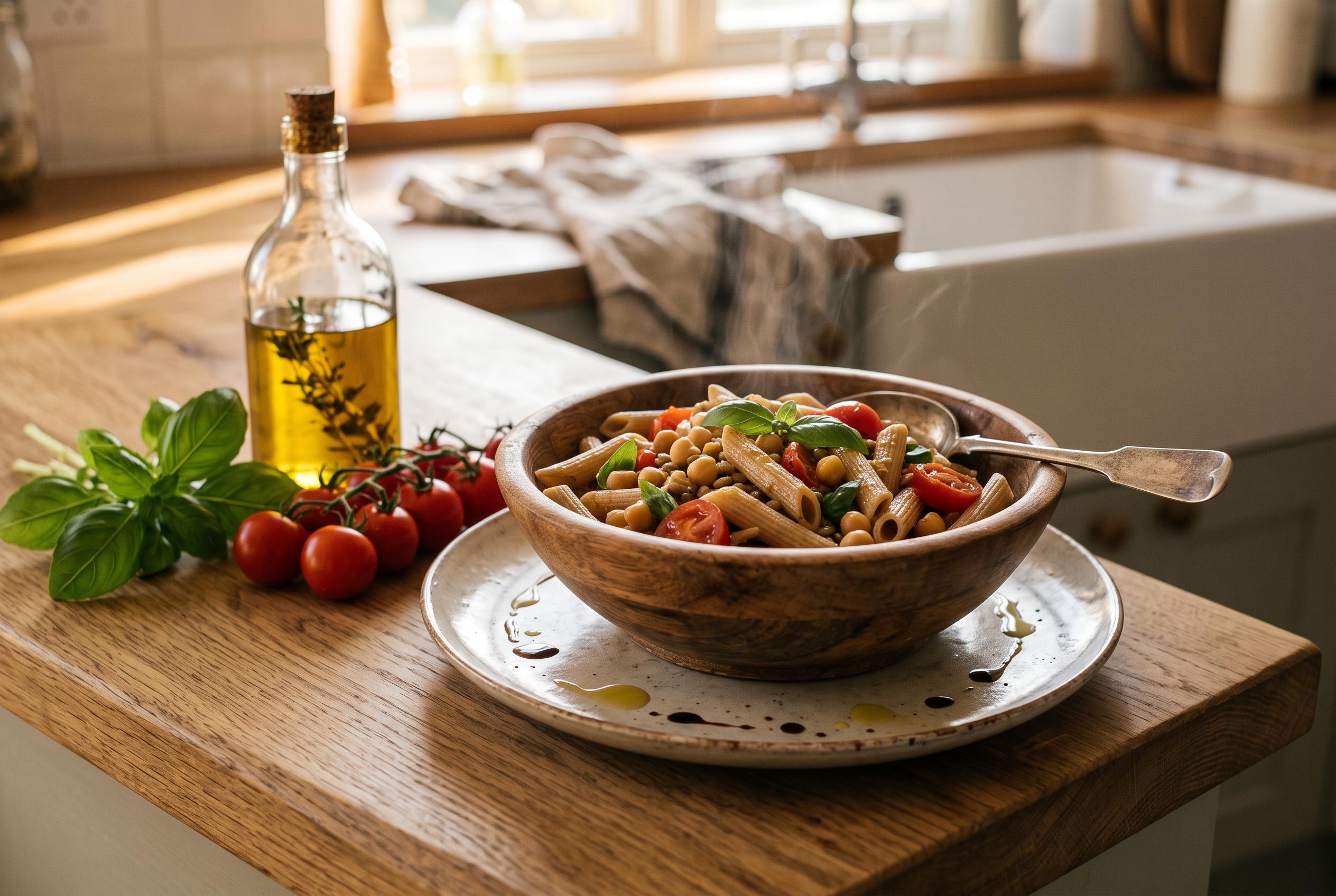

While spaghetti shapes are only skin-deep, choosing wholegrain or legume-based pasta and cooking methods can significantly impact its health benefits, shifting focus from pasta type to ingredients and pairing choices.
Supermarket shelves may be lined with spaghetti, penne, fusilli, farfalle and rigatoni, but the shape of the pasta is far less important nutritionally than many shoppers assume. If the product is made from the same basic ingredients, the calories, carbohydrates and protein are usually very similar. What changes most is how it feels to eat and how much sauce the pasta holds, which can make a bigger difference to the meal than the cut itself.
That does not mean pasta is nutritionally bland. According to WebMD and Healthline, pasta made from whole grains generally contains more fibre, vitamins and minerals than refined versions, because it keeps the bran and germ of the grain. Wholegrain pasta also tends to have a lower glycaemic index, meaning it can raise blood sugar more slowly than standard white pasta.
The distinction matters because “durum” on a packet does not automatically mean “wholegrain”. Durum is simply a hard wheat variety commonly used for pasta because it gives the finished product its firm texture. But durum pasta can still be refined, with the bran and germ removed. Shoppers looking for a wholegrain option need to see wording such as “whole durum wheat” or “wholewheat flour” in the ingredients list.
Pasta made from legumes can offer another nutritional step up, but only when the product is genuinely based on lentils, chickpeas or another pulse rather than a wheat pasta with a token amount of legume flour added for marketing purposes. WebMD and Healthline both note that wholegrain pasta generally provides more fibre, while legume-based versions can also deliver more protein. For people who need to avoid gluten, however, gluten-free pasta remains a practical choice rather than an automatic health upgrade.
Cooking method also matters. Pasta cooked al dente retains a firmer structure, which slows digestion compared with pasta boiled until very soft. And the rest of the plate counts too: pairing pasta with protein, vegetables and a little fat can blunt the blood sugar rise more effectively than eating the pasta on its own. In other words, the healthiest choice is often less about whether the pasta is spaghetti or penne, and more about what it is made from, how it is cooked and what is served alongside it.
Disclaimer: This content is for informational purposes only and is not intended to be a substitute for professional medical judgment, advice, diagnosis, or treatment.