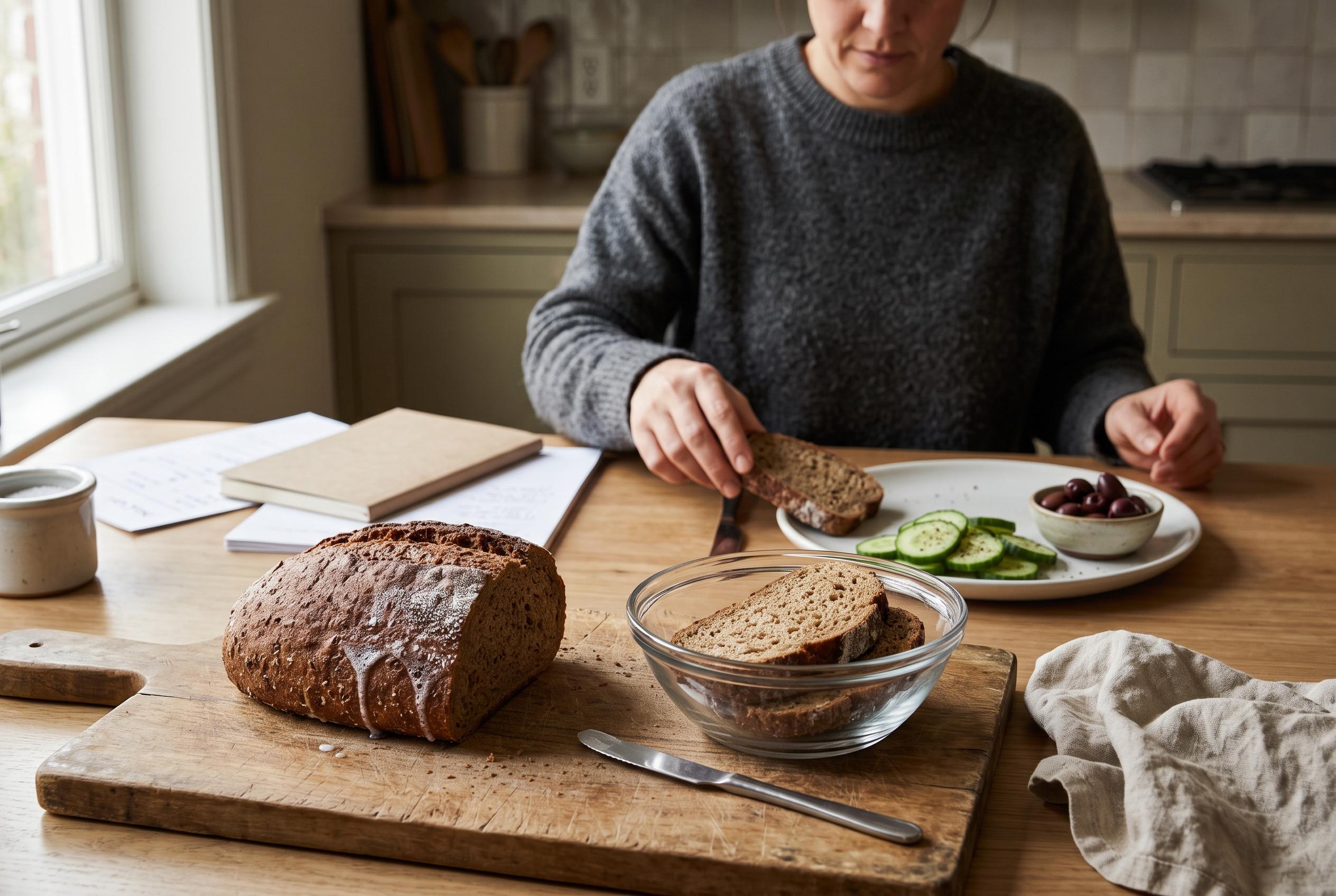

Research suggests that freezing and thawing bread can promote the formation of resistant starch, potentially reducing blood sugar spikes after eating. Experts highlight that preparation and bread type influence this effect, with implications for healthier bread consumption habits.
Freezing bread before eating it may do more than extend shelf life: it can also change how the body breaks down starch and releases glucose into the bloodstream. Nutritionist Fernanda Coimbra of Tivolly says cooling and then thawing bread can encourage the formation of resistant starch, a form of carbohydrate that is digested more slowly and may lead to a smaller rise in blood sugar after eating.
The idea is supported by research cited by ScienceAlert and FoodFacts, which says starch molecules can rearrange during freezing and reheating into a structure that is harder for the body to digest. That can soften the glycaemic impact of white bread in particular, although the effect is not identical in every loaf. Baking method, storage conditions and the way the bread is eaten all appear to influence the result.
Specialists also note that freezing is not the same as refrigerating. ScienceAlert reported that bread kept in the freezer may retain moisture better than bread stored in the fridge, where it can dry out and turn firm. Even so, the health effect should not be overstated: the reduction in blood sugar response can vary with bread type, preparation and individual metabolism.
The topic has also found its way into artisanal baking. In Brasília, Los Santos Pizza & Pão offers naturally fermented breads, pizzas and other products designed to be finished at home. The business says the approach lets customers bring bakery-style items to the table with minimal effort, while keeping the dough’s artisan character intact. Its menu includes focaccia, sourdough and mixed bread combinations, alongside guidance for safe transport and simple home baking.
Disclaimer: This content is for informational purposes only and is not intended to be a substitute for professional medical judgment, advice, diagnosis, or treatment.