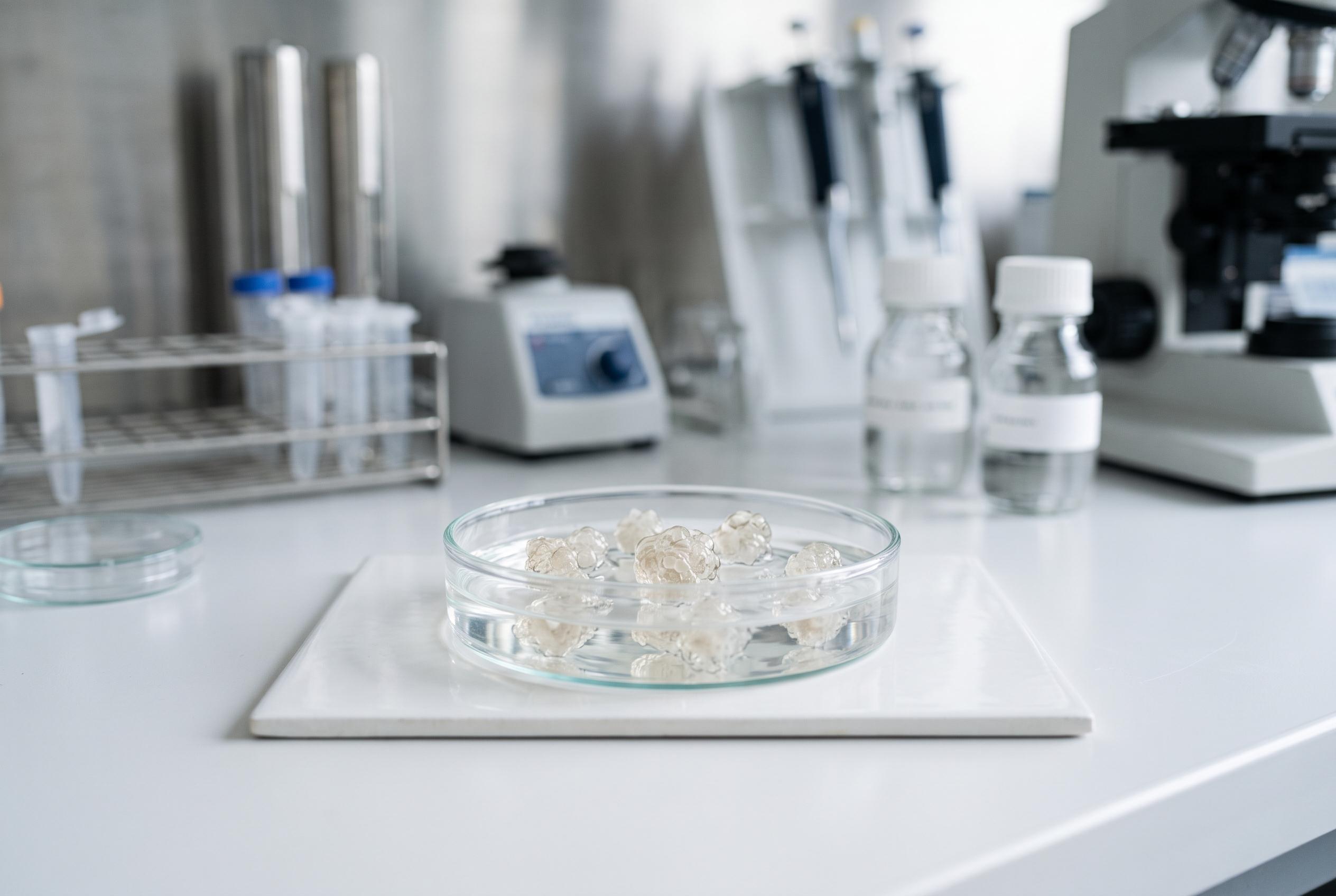

Greenstone Biosciences has received funding from Breakthrough T1D to develop a pioneering research platform using induced pluripotent stem cells and organoids, aiming to uncover why insulin-producing beta cells become vulnerable in type 1 diabetes.
Greenstone Biosciences has won funding from Breakthrough T1D to build a research platform centred on the biology of type 1 diabetes, in a move the company says could help identify why insulin-producing beta cells become vulnerable and how they might be protected.
According to the company’s announcement, the project will use induced pluripotent stem cells from a diverse group of people living with type 1 diabetes to create three-dimensional pancreatic islet organoids. These lab-grown structures are intended to mimic key features of the pancreas so researchers can test how beta cells respond to inflammation, metabolic stress and candidate protective treatments.
Greenstone said it will combine the work with multi-omics analysis, including single-cell RNA sequencing, chromatin accessibility mapping, proteomics and metabolomics, to search for pathways linked to beta cell damage. The company also said the stem cell lines created through the award will be banked as a renewable resource, with summary data shared publicly.
The award adds to Breakthrough T1D’s wider effort to back industry-led research through its Industry Discovery and Development Partnership programme, which supports for-profit organisations working on projects aligned with the charity’s priorities. Breakthrough T1D describes itself as a leading global type 1 diabetes research and advocacy group, and says it has played a part in much of the progress made against the disease over the past half-century.
Greenstone, based in Stanford Research Park, says it combines AI-driven drug discovery with clinical genomics, induced pluripotent stem cells and organoid platforms. The company says it maintains more than 2,500 patient iPSC lines, and previously received a translational grant from the California Institute for Regenerative Medicine in 2022 to speed up drug discovery using patient-derived stem cells.
Disclaimer: This content is for informational purposes only and is not intended to be a substitute for professional medical judgment, advice, diagnosis, or treatment.