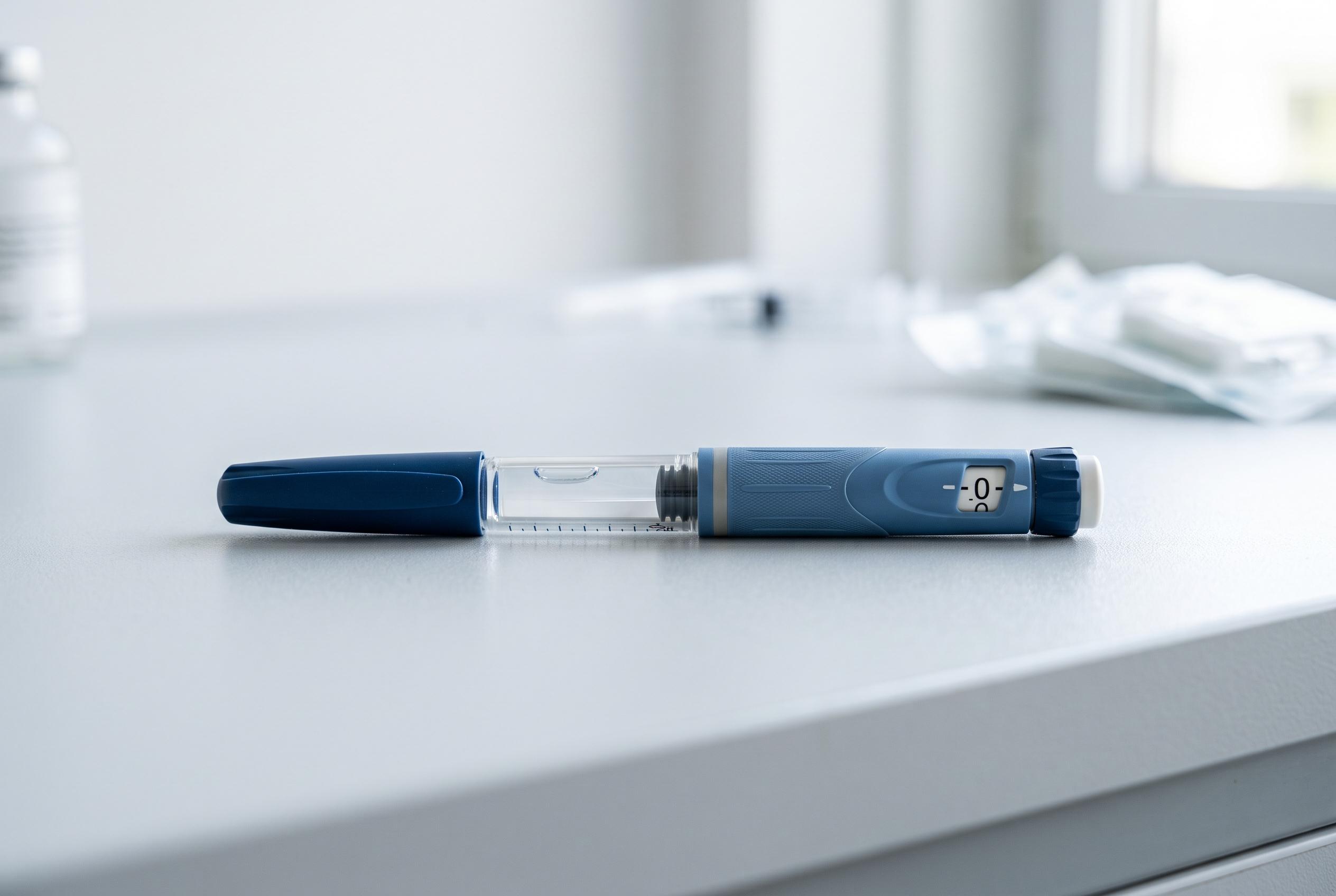

A new weekly insulin pen for type 2 diabetes is close to NHS approval, promising to dramatically reduce daily injections and improve treatment adherence for vulnerable patients, with potential to reshape diabetes care routines.
A once-weekly insulin pen for type 2 diabetes is nearing NHS approval, in a move that could sharply reduce the burden of daily injections for many patients. The National Institute for Health and Care Excellence has issued final draft guidance backing insulin efsitora alfa, marketed as Onswik by Eli Lilly, saying trial evidence shows it works as well as established long-acting insulins despite being injected only once a week.
If the recommendation is not appealed, NICE expects to finalise the guidance by 10 September. The treatment would still need licensing from the Medicines and Healthcare products Regulatory Agency before it can be used in routine care. NICE says the drug could be especially helpful for people who need assistance with injections, including frailer patients, those with sight loss, limited hand movement, learning disabilities or difficulty following multi-step treatment routines.
The institute said patients switching to the new pen should see similar blood glucose control to that achieved with insulin degludec or insulin glargine, two widely used basal insulins. A systematic review and meta-analysis published in PubMed also found no meaningful differences in HbA1c reduction or fasting glucose versus once-daily insulin, while suggesting some advantages in time spent within the target glucose range. Specialist reviews have described once-weekly insulin as part of a broader effort to make basal insulin treatment simpler and easier to follow.
NICE said the drug could also help people who struggle to keep to regular treatment, including some adults under 40 with early-onset type 2 diabetes balancing intensive therapy with work and family life. Douglas Twenefour, head of clinical at Diabetes UK, said the recommendation was an important step towards giving people with type 2 diabetes more flexibility, but stressed that any rollout should be accompanied by clear guidance, staff training and fair access. NHS England would have to fund the treatment within 90 days of final publication if it is approved, while Wales, Scotland and Northern Ireland will follow their own separate processes.
Disclaimer: This content is for informational purposes only and is not intended to be a substitute for professional medical judgment, advice, diagnosis, or treatment.