

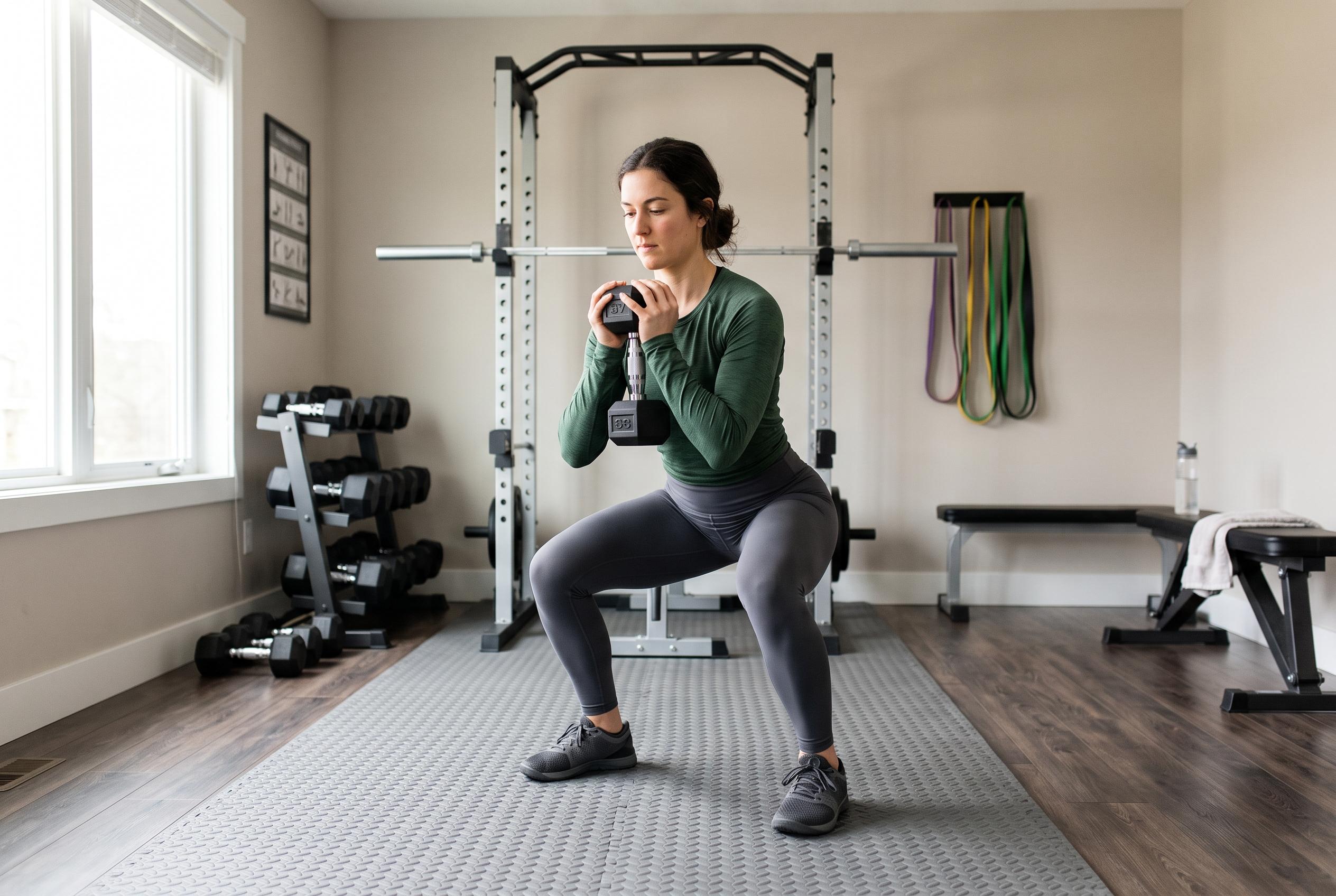

Research tracking nearly 150,000 US health workers suggests that engaging in 90 to 119 minutes of strength training weekly may significantly reduce mortality risks, prompting updates to exercise guidelines tailored to different ages.
Lifting weights may help people live longer without spending hours each day in the gym, according to a study published in June in the British Journal of Sports Medicine. The research tracked nearly 150,000 US nurses and other health workers over three decades and found what the authors describe as a possible sweet spot for strength training: 90 to 119 minutes a week. People in that range had an all-cause mortality risk about 13% lower than those who did no strength work, with larger reductions seen for cardiovascular and neurological deaths. Beyond 120 minutes a week, the researchers did not identify further gains.
That fits with broader public-health advice. The US Centers for Disease Control and Prevention recommends at least 150 minutes of moderate aerobic activity a week for adults, plus muscle-strengthening work on at least two days, while the World Health Organization says adults should do 150 minutes of moderate activity or 75 minutes of vigorous activity weekly, alongside strength exercises. Both organisations also stress balance and mobility as people get older.
Portuguese sports physician Diana Ferreira says the key is choosing exercise that is realistic, enjoyable and sustainable. Speaking in Expresso’s longevity section, she argued that the thirties are a good time to build what she called a reserve for later life, with more muscle, better cardiorespiratory fitness and habits that can be maintained consistently. From the forties onwards, she said, exercise becomes increasingly important as muscle mass naturally starts to fall.
Ferreira’s advice changes with age. In the forties, she recommends strength training two to three times a week alongside aerobic work, while also paying closer attention to recovery, sleep, stress and alcohol. In the fifties, she says preserving bone density becomes a priority, which means combining strength training with weight-bearing exercise; swimming, while excellent for cardiovascular health, does not provide the same bone-loading stimulus. In the sixties, she places more emphasis on power , the ability to produce force quickly , to help reduce the risk of falls.
By the seventies, eighties and nineties, Ferreira says it is vital to keep people confident in movement and avoid long periods of inactivity that accelerate losses in muscle, bone and cardiovascular health. She also highlights mobility work, including Pilates and yoga, as a useful complement at any age.
Physiotherapist Juan Bettencourt says mobility is central to independence in later life. He points to everyday tasks such as standing from a chair, climbing stairs, dressing and getting up from the floor as the movements that matter most. He says warning signs include difficulty squatting fully, rising from the ground without using the hands, lifting the arms overhead or rotating the trunk. Bettencourt recommends short, regular mobility sessions three to five times a week, ideally after strength training or as part of a warm-up or cool-down, using dynamic stretches, active holds and functional exercises such as deep squats, tandem walking and single-leg balance work.
Disclaimer: This content is for informational purposes only and is not intended to be a substitute for professional medical judgment, advice, diagnosis, or treatment.