

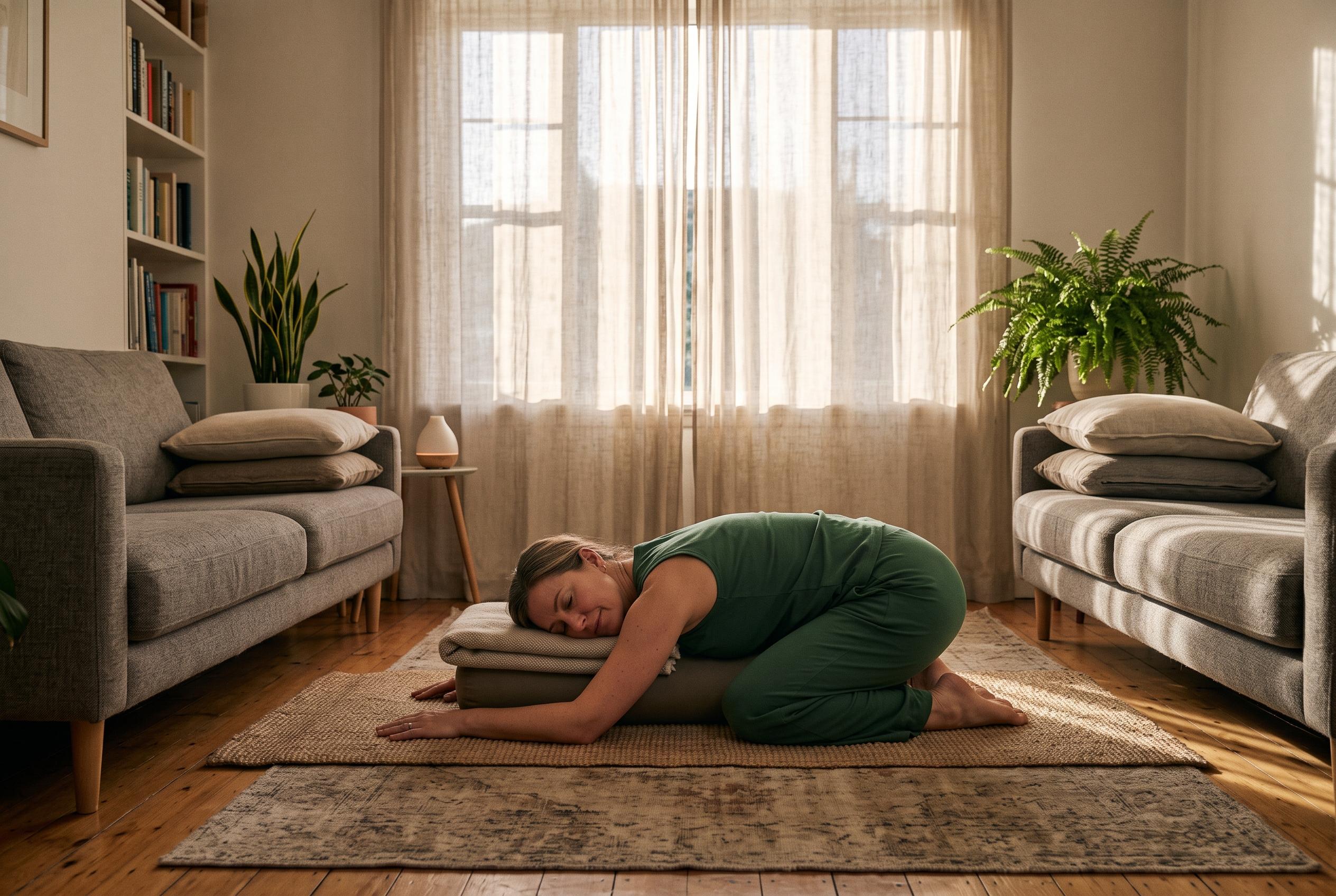

Research highlights the mental health benefits of restorative movement, emphasizing that gentle activities like yoga and tai chi can provide a crucial routine and boost resilience for those experiencing emotional fatigue and stress.
When stress starts to build, exercise is often the last thing people feel like doing. Yet research has long pointed in the opposite direction: movement can ease tension, lift mood and help the body recover from chronic strain. Rather than treating it as punishment or a calorie-burning task, it can be better understood as a practical form of self-care.
The reason is partly biological. Physical activity can lower stress hormones such as cortisol and adrenaline, while encouraging the release of mood-related chemicals including endorphins, serotonin and dopamine. A review published by the National Institutes of Health found that exercise may also support mental health by influencing depression and improving the brain’s response to stress. Psychology Today has made a similar case, arguing that regular movement can help reduce symptoms linked to anxiety and low mood.
Just as important, exercise gives the mind a different kind of structure. A short walk, a yoga session or a few minutes of stretching can create a sense of routine and control at a time when life feels chaotic. That predictability matters. For many people, the value of movement is not intensity but steadiness: a daily habit that offers a pause, a reset and a clearer head.
That is why restorative forms of exercise deserve more attention. Gentle walking, yoga, tai chi and similar practices can be easier to sustain than high-intensity workouts, especially during periods of burnout or emotional fatigue. These activities still engage the body, but they do so without adding another layer of pressure. Even 10 or 15 minutes can make a meaningful difference if the movement is deliberate and regular.
The key is to start small and stay realistic. A five-minute commitment may be enough to overcome resistance on difficult days, and it can often lead to a longer session once momentum builds. Exercise is not a replacement for professional care when someone is struggling with serious mental health symptoms, but it can be a valuable part of a wider support plan. Used consistently, restorative movement becomes less like a duty and more like a tool for resilience.
Disclaimer: This content is for informational purposes only and is not intended to be a substitute for professional medical judgment, advice, diagnosis, or treatment.