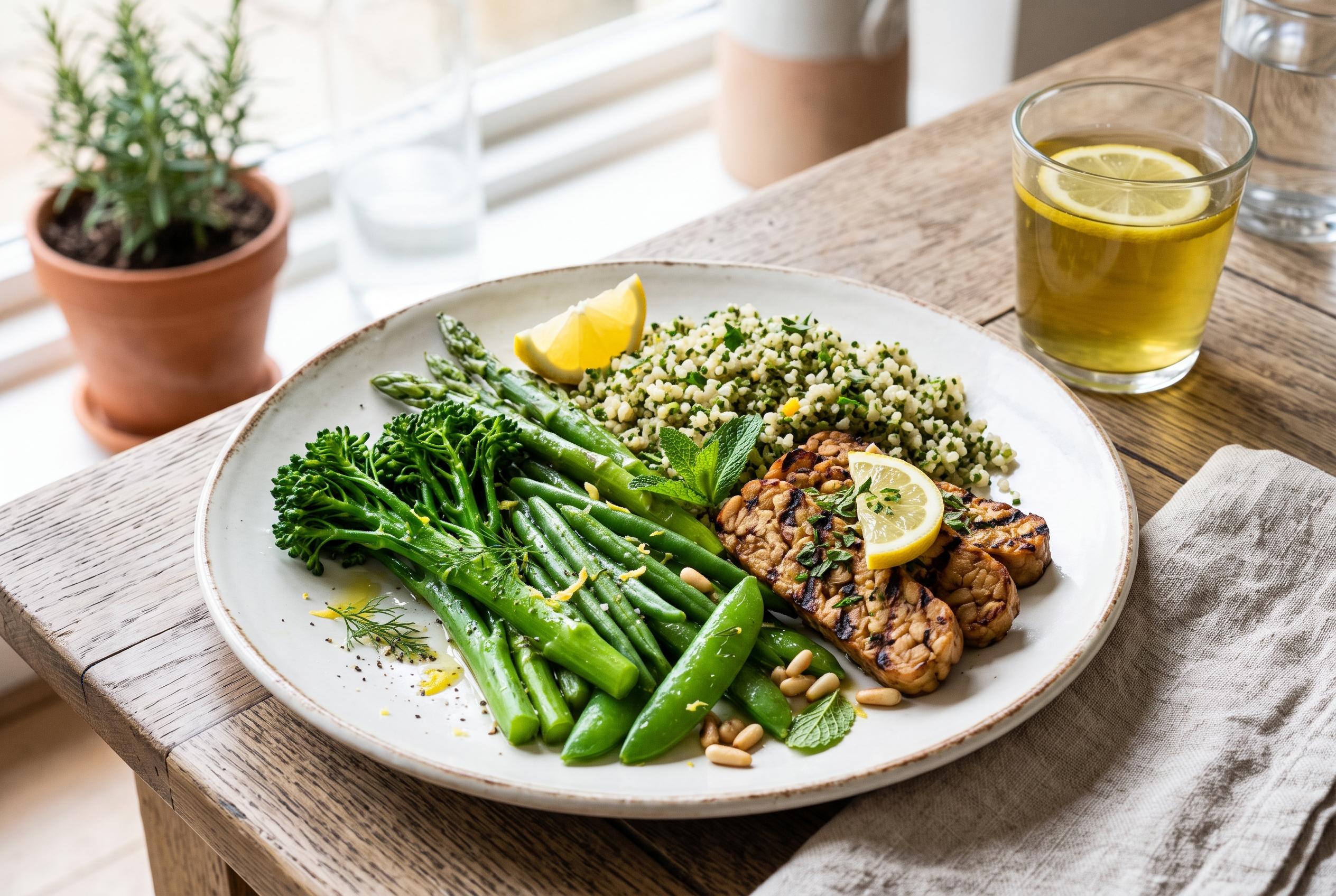

A green-tinted version of the Mediterranean diet, incorporating green tea and increased plant-based proteins, could boost metabolism, support cardiovascular health, and reduce costs, according to recent research highlighting its potential to improve long-term well-being and environmental sustainability.
A green-tinted version of the Mediterranean diet may offer more than the classic formula, combining familiar staples such as olive oil, vegetables, legumes, nuts and fish with added green tea and a sharper tilt towards plant proteins. Research highlighted by Clinical Nutrition suggests the approach could improve metabolism, support cardiovascular health and slow biological ageing, while also keeping shopping bills in check by reducing reliance on meat.
The idea builds on the long-standing reputation of the Mediterranean pattern, which has been linked in reviews to lower rates of chronic disease through effects on blood fats, inflammation, oxidative stress and the gut microbiome. More recent studies have gone further, with one trial involving adults with abdominal obesity or abnormal blood fats reporting better results on weight, cholesterol, blood pressure and inflammation markers among those following the greener version than among people eating a standard healthy diet.
Another study cited in the reporting found that the green diet increased folate levels, a nutrient associated with better insulin sensitivity and healthier lipid profiles. Researchers also said the pattern may help offset some genetic differences that affect folate metabolism, adding to the case for a more plant-rich approach.
Even so, the diet is not presented as a strict ban on meat. The emphasis is on changing proportions rather than cutting animal products altogether, with a weekly intake of around 300 grams of meat described as a realistic target. Simple swaps, such as adding extra beans to chilli or blending lentils into meatballs, can preserve familiar meals while shifting the balance towards plant protein.
That practical angle extends to cost. Legumes are among the cheapest sources of protein, so replacing part of the meat in everyday dishes can lower the price of meals as well as their environmental footprint. Nutrition experts also caution that the health benefits come from the overall pattern, not from a single cup of tea or one meat-free lunch, making consistency over time the real point.
Disclaimer: This content is for informational purposes only and is not intended to be a substitute for professional medical judgment, advice, diagnosis, or treatment.