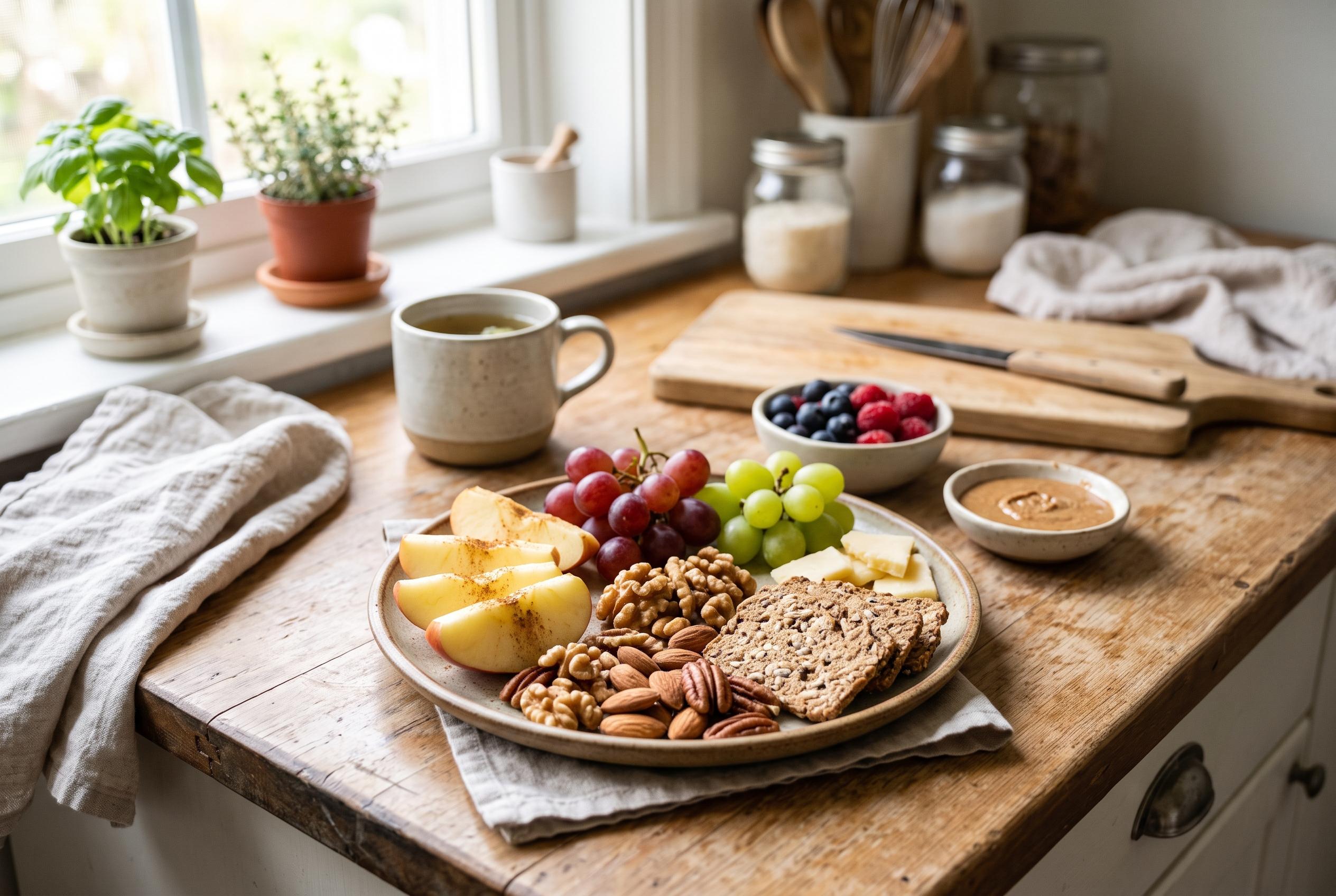

Recent guidance highlights that when and what people snack on influences weight loss success, with planned, nutrient-rich snacks being an effective strategy, while late-night eating warrants caution.
Snacking does not have to derail weight loss. Health.com says the real issue is less about whether people eat between meals and more about when they eat, what they choose and whether the snack prevents later overeating. In that sense, a planned snack can work as part of a balanced eating pattern rather than as an indulgence to be avoided.
The site says the most practical time for a snack is often mid-morning or mid-afternoon, especially if more than four to five hours have passed since the last meal. Waiting until hunger becomes extreme can make people more likely to overeat at the next meal. It can also be useful to eat before exercise or afterwards if the next proper meal is still some way off.
Timing matters, but so does quality. Health.com recommends snacks that are filling and nutrient-rich, particularly those with protein and fibre, because they tend to keep hunger at bay for longer than foods high in calories but low in nutritional value. It also advises planning snacks ahead of time, watching portion sizes and choosing simple combinations such as yoghurt and fruit, nuts, or vegetables with hummus.
Late-night snacking is a more complicated matter. Health.com says a small snack in the evening is not automatically a problem if a person is genuinely hungry, but a regular habit of eating close to bedtime can make weight control harder and may disrupt sleep. The article suggests that eating late at night can interfere with the body’s normal daily rhythms, so the better approach is to keep meal times more regular and avoid eating out of boredom, stress or habit.
Disclaimer: This content is for informational purposes only and is not intended to be a substitute for professional medical judgment, advice, diagnosis, or treatment.