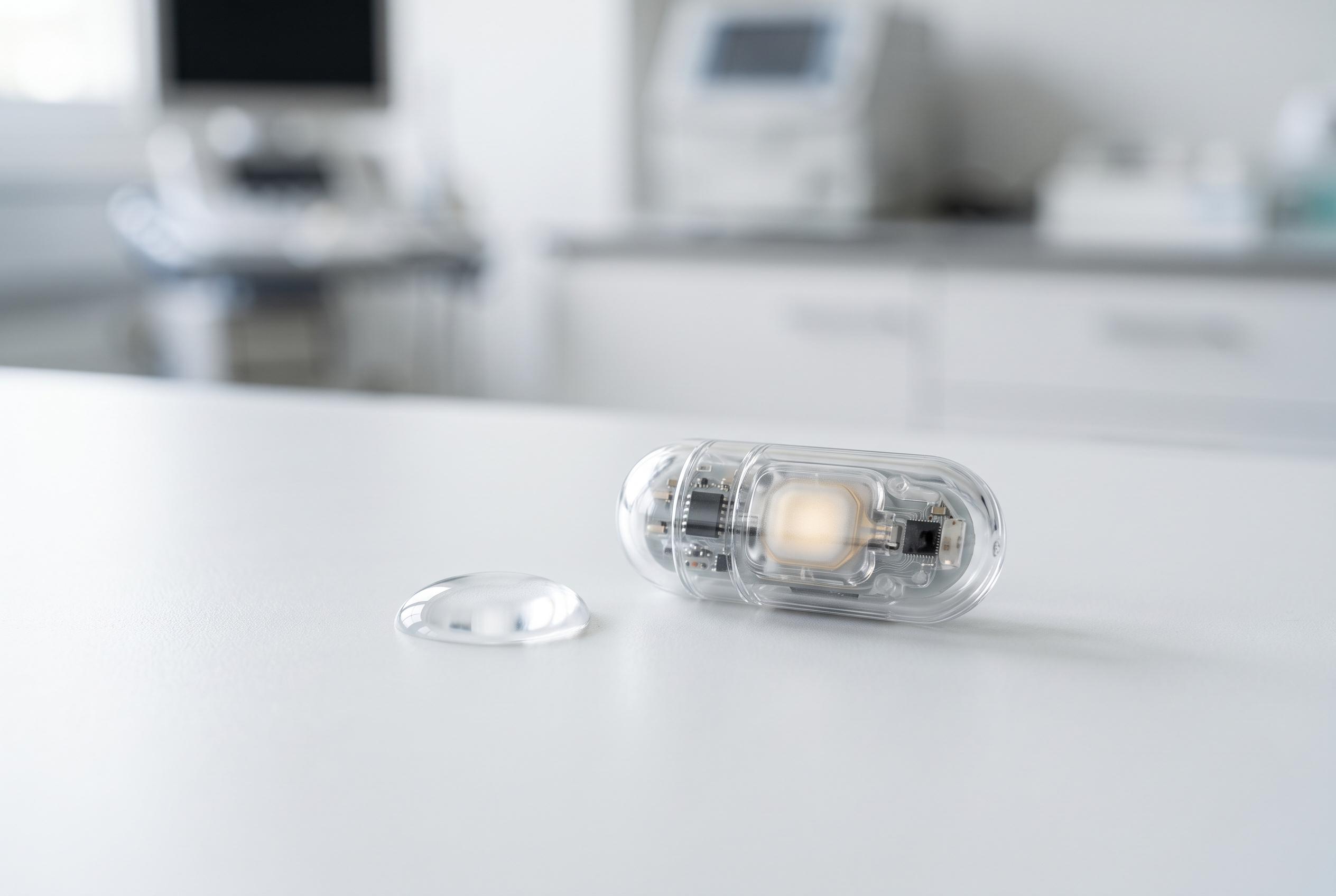

Scientists have developed a genetically engineered probiotic that detects rising glucose levels and automatically administers treatment within the gut, offering a potential revolution in personalised diabetes management.
Scientists have engineered a probiotic that behaves like a biological sensor, switching on treatment only when glucose levels rise. The work, published in Nature, points to a future in which diabetes therapy could be delivered by living microbes in the gut rather than by fixed doses of medicine.
Researchers at East China Normal University in Shanghai built the system around a synthetic gene circuit based on the regulator protein HexR. In effect, the bacteria act as a biological switch: when glucose crosses a set threshold, they begin producing glucose-lowering molecules; when levels fall, the circuit quietens. The idea is to let treatment rise and fall with the body’s needs instead of forcing patients to adjust medication from the outside.
The experiment was tested in diabetic animals, including mice and monkeys. According to the report, oral administration of the engineered probiotic improved blood sugar control and showed that the circuit could keep working inside the complex environment of the gut, not just in laboratory conditions. Longer use was also linked with better fat metabolism and signs of reduced diabetes-related complications, although the findings remain preclinical and cannot yet be assumed to translate to people.
That built-in responsiveness is one of the most attractive features of the approach. If glucose rises, the microbes increase production of the therapeutic compound; if it drops, they scale back. In theory, that could help avoid both undertreatment during hyperglycaemia and excessive treatment that might trigger low blood sugar.
The concept also fits into a broader scientific effort to turn cells and microbes into programmable medicines. Earlier work highlighted in Nature Reviews Endocrinology described genetically engineered Lactobacilli that improved glucose tolerance in rats, while a separate Nature study showed designer human cells can be built to release insulin or GLP-1 in response to glucose. More recently, Nature Communications reported an engineered probiotic that improved glucose metabolism in male mice by reshaping the gut microbiota-host axis.
Even so, major questions remain before any human trial can be contemplated. Scientists still need to know how long the bacteria would survive in the intestine, whether the gene circuit remains stable over time, whether it could pass genetic material to other microbes, and how accurately glucose signals in the gut reflect the body’s overall need for treatment. For now, the study offers a proof of concept for a new kind of diabetes medicine: one that senses, responds and acts from within.
Disclaimer: This content is for informational purposes only and is not intended to be a substitute for professional medical judgment, advice, diagnosis, or treatment.