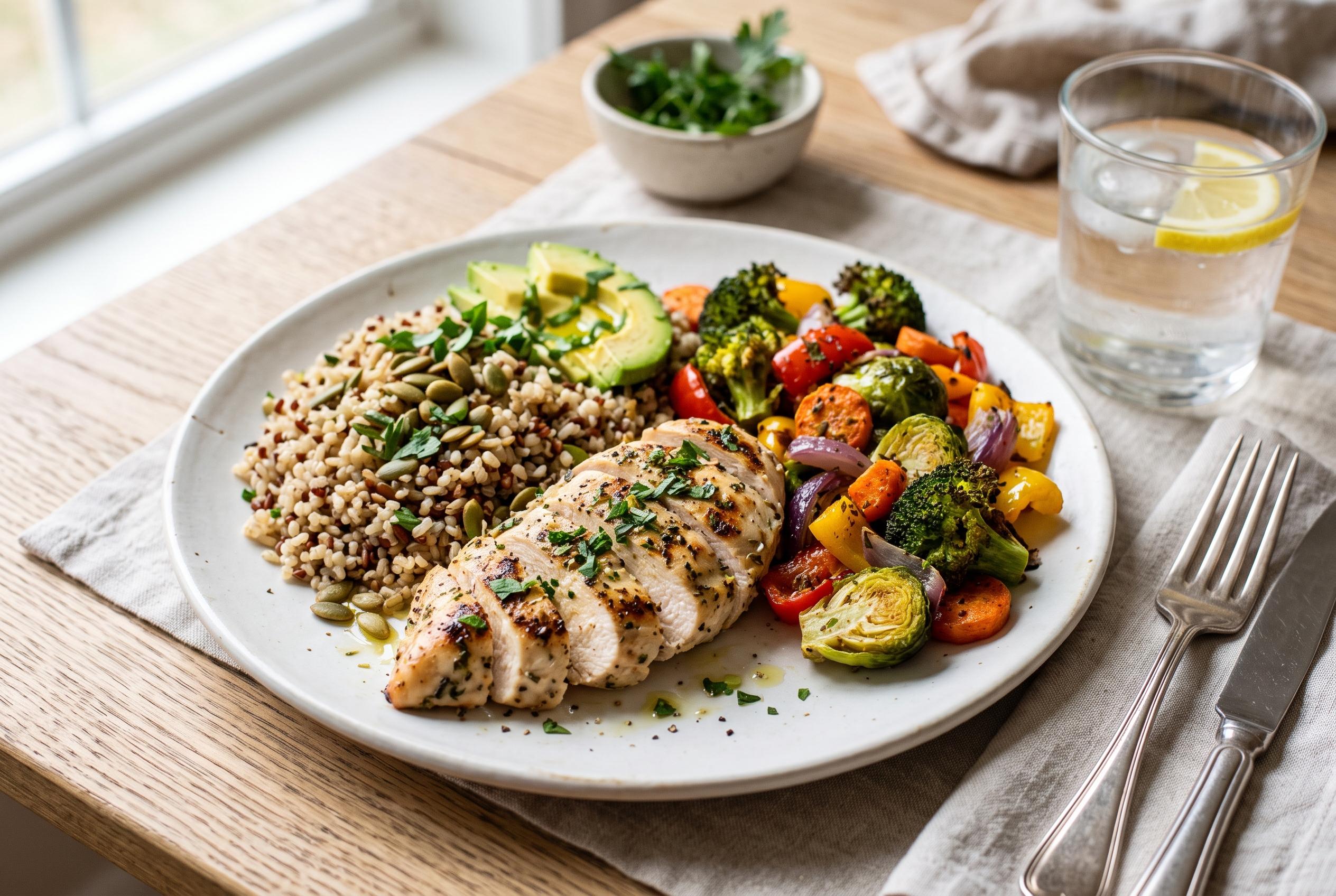

A balanced diet rich in whole foods, healthy fats, proteins, and fluids can help maintain steady energy levels, highlighting the importance of mindful choices beyond quick fixes.
A slump in energy is often blamed on a poor night’s sleep, but diet can play a quieter role than many people realise. BBC Good Food says that frequent swings in blood sugar, which can follow a diet heavy in sugary snacks and caffeine, may leave people feeling drained and less able to concentrate. Healthline’s explanation of the glycaemic index adds useful context: foods that are digested more slowly tend to raise blood sugar more gradually, which can help support steadier energy.
That is why the best everyday choices are usually whole foods rather than quick fixes. Sweet potatoes, bananas and strawberries all offer carbohydrate along with fibre and other nutrients, while avocados provide fats and fibre that can help with fullness. Healthline’s nutrient-dense foods guide and Mayo Clinic’s list of healthful foods both point to the same broad pattern: fruit, vegetables, whole grains and healthy fats do more than provide calories; they help the body keep going.
BBC Good Food also highlights several foods that release energy more slowly, including oats, brown rice, rye, barley, lentils and beans. These foods are typically richer in fibre and, in some cases, protein, which can slow digestion and help avoid the crash that often follows refined carbohydrates. Healthline’s low-GI guidance similarly notes that grains such as barley and brown rice, along with legumes, tend to have a more measured effect on blood sugar.
Protein-rich foods also matter. Eggs, Greek yogurt, oily fish, almonds, cashews and seeds can all help sustain energy by improving satiety and giving the body a steadier fuel source. BBC Good Food says oily fish such as salmon, mackerel and sardines may also support cellular energy production through omega-3 fats. UCSF Health and the Mayo Clinic both likewise recommend fish, nuts, seeds, beans and yogurt as part of a balanced, health-supporting diet.
Hydration remains part of the picture too. Water contributes no calories, but it is essential for the body’s energy-producing processes, and BBC Good Food notes that needs vary with age, size, activity and climate. In practical terms, the most reliable energy foods are the ones that combine complex carbohydrates, healthy fats, protein and fluid: in other words, the kind of meals and snacks that keep hunger in check and energy on an even keel.
Disclaimer: This content is for informational purposes only and is not intended to be a substitute for professional medical judgment, advice, diagnosis, or treatment.