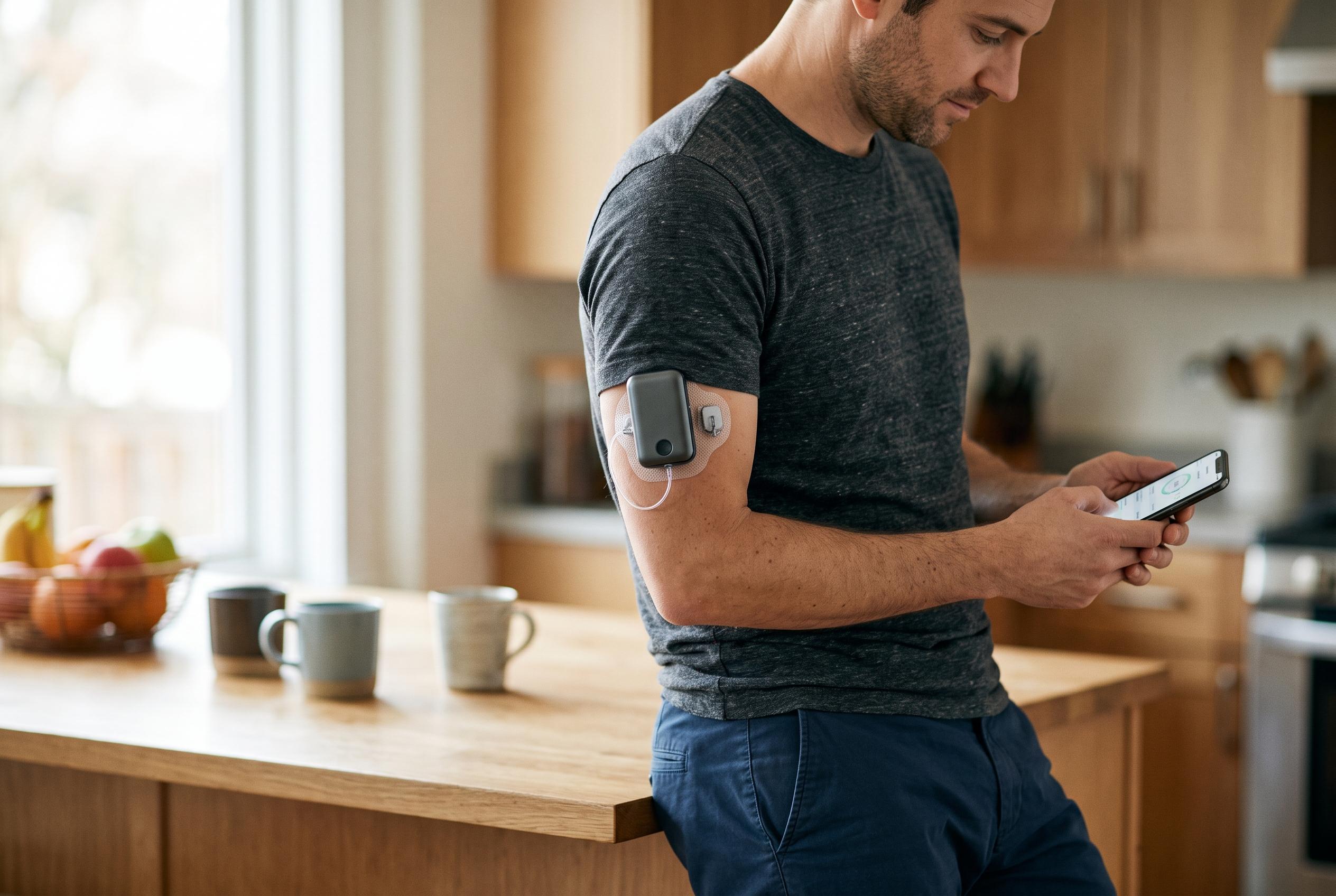

MiniMed launches its latest insulin pump system featuring a new sensor that prolongs wear time and offers a more discreet, automated approach to diabetes management, aiming to reduce daily burdens for users.
MiniMed said its smallest app-controlled insulin pump is now being shipped with the Instinct sensor, extending the reach of a system it says is designed to reduce the daily burden of diabetes management. The firm claims the combination brings together discreet wear, longer sensor life and automated insulin delivery, with users able to choose between the Instinct and Simplera Sync sensor options. The company first introduced the MiniMed Flex system in the US earlier this year.
The system uses SmartGuard technology, which MiniMed says automatically adjusts insulin delivery throughout the day and night, and it also includes Meal Detection features intended to help if a meal bolus is missed or carbohydrate counts are off. The pump can hold up to 300 units of insulin and works with the Extended infusion set, which MiniMed says can be worn for up to seven days. The company says the Instinct sensor can be worn for up to 15 days.
MiniMed is promoting the launch with a new consumer campaign built around the idea of making diabetes management less intrusive. Que Dallara, the company’s chief executive, said the goal is technology that “works hard without asking much in return” and described the new sensor pairing as another step towards a more hands-free approach. Monique La Bomme, a user quoted by the company, said the system lets her interact with her diabetes devices less often and spend less time thinking about the condition.
The launch comes as diabetes device makers compete to offer smaller hardware, smartphone control and more flexible sensor choices. MiniMed says the Flex system is cleared in the US for children aged seven and above with type 1 diabetes, and for adults with insulin-requiring type 2 diabetes. The company also cites real-world data from its MiniMed 780G system, which uses the same SmartGuard algorithm, as evidence that users can achieve strong time-in-range results, though it notes such studies have limits and should not be treated as a guarantee for new patients.
Disclaimer: This content is for informational purposes only and is not intended to be a substitute for professional medical judgment, advice, diagnosis, or treatment.