

A new Filipino low-carb meal plan promotes practical and affordable modifications to traditional dishes, supporting health goals without sacrificing familiar flavours, and emphasizing sustainability and local ingredients.
A Filipino low-carb meal plan can be practical, affordable and still recognisably home-cooked, with familiar dishes adapted rather than abandoned. ModernFilipina.ph argues that the aim is not to give up adobo, sinigang or grilled fish, but to make modest changes such as serving meals with vegetables instead of rice and easing back on sweet sauces.
That approach is broadly in line with guidance from health groups. Healthline says lowering carbohydrate intake can help steady blood sugar and may also aid weight loss and appetite control, while Harvard Health reported on research showing that a low-carb diet reduced A1C levels in people with prediabetes, a key marker of blood sugar management. Diabetes UK says low-carb eating can support better glucose control, especially for people with diabetes, but warns that anyone taking medication should check with a clinician before changing their diet.
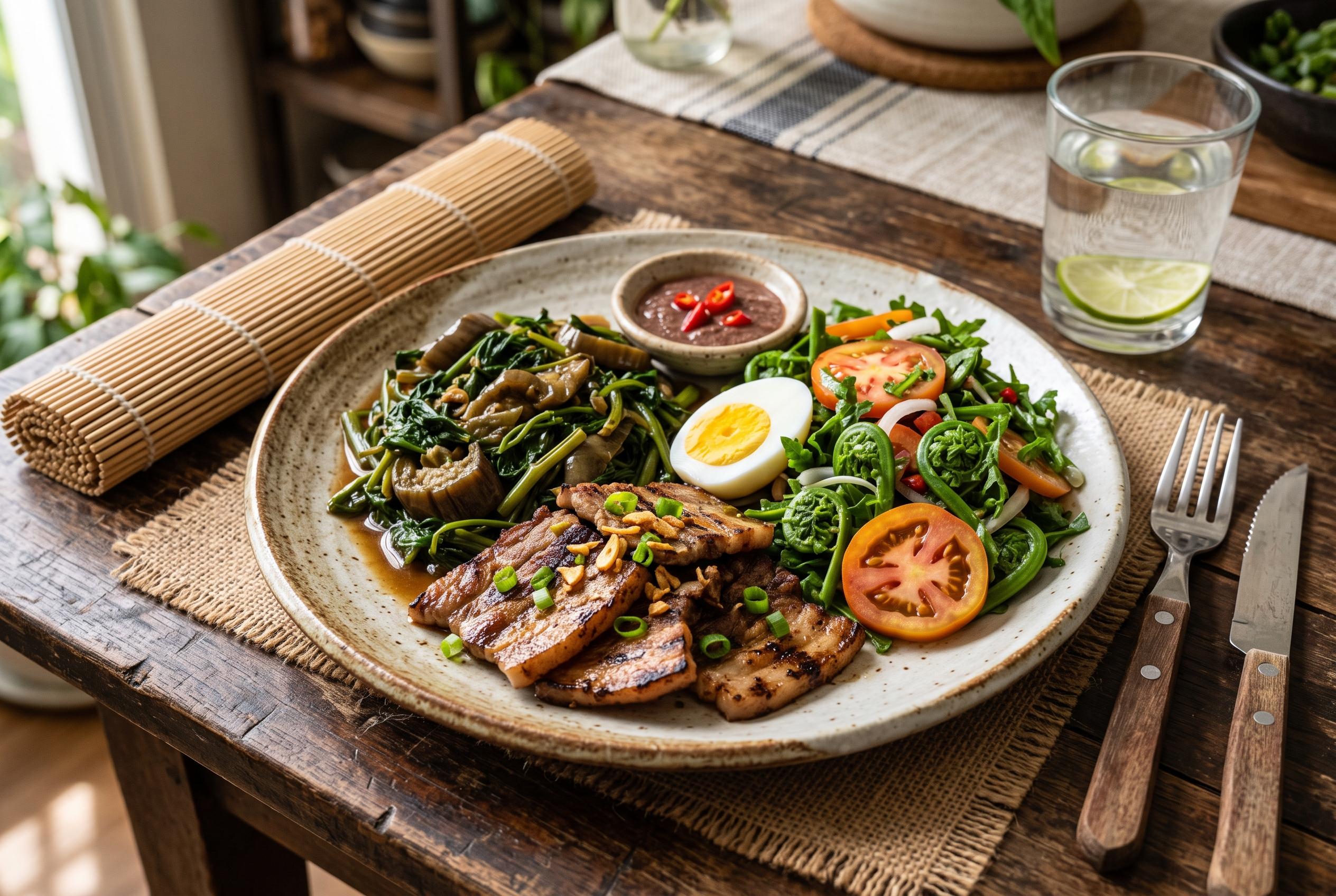
The seven-day plan highlighted by ModernFilipina.ph leans on everyday ingredients found in local markets and supermarkets: eggs, chicken, fish, tofu and vegetables such as kangkong, pechay, cabbage and sitaw. The suggested menus keep the Pinoy flavour profile intact, ranging from chicken adobo with greens to sinigang na salmon packed with vegetables, tinolang manok with papaya and chicken curry served with cauliflower instead of potatoes.
The article also points to simple substitutions that can make the diet easier to sustain. White rice can be swapped for cauliflower rice or extra vegetables, pancit can be reworked with cabbage noodles, and sugary drinks can be replaced by water or unsweetened tea. Those changes matter because, as Harvard Health noted, the hardest part of low-carb eating is often keeping it going over the long term.
Budget is another central theme. ModernFilipina.ph says a low-carb plan does not need costly imported ingredients or elaborate recipes, and can be built around staples such as eggs, tofu, tilapia, galunggong and seasonal produce. It also suggests batch cooking, reading labels and planning around sales, while Nuthera’s meal-plan offerings show there is growing demand for low-carb options that fit busy schedules. The broader message is simple: healthier eating does not have to mean less Filipino, just more deliberate choices.
Disclaimer: This content is for informational purposes only and is not intended to be a substitute for professional medical judgment, advice, diagnosis, or treatment.