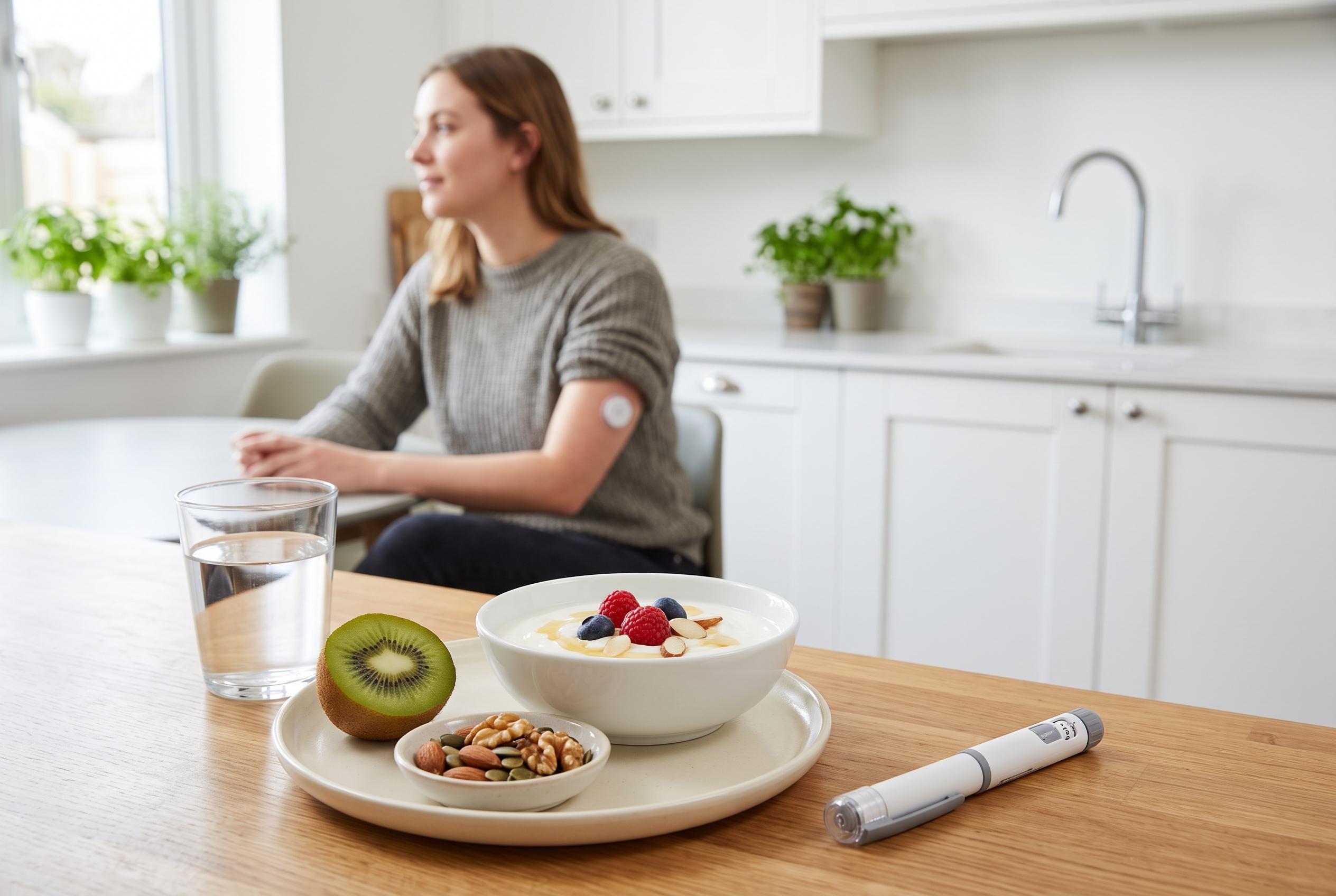

Emerging improvements in insulin delivery and glucose tracking technologies are transforming daily management of type 1 diabetes, offering hope for tighter control and reduced complications.
Type 1 diabetes is a long-term condition in which the pancreas makes little or no insulin, the hormone that allows glucose to move from the bloodstream into the body’s cells for energy. Without enough insulin, blood sugar rises and treatment must rely on daily insulin and careful self-management. Johns Hopkins Medicine, the US Centers for Disease Control and Prevention, the Mayo Clinic, the National Institute of Diabetes and Digestive and Kidney Diseases and the Cleveland Clinic all describe the condition in broadly similar terms and note that it can affect children, teenagers and adults alike. The exact cause is still not fully understood, although experts say genetic and environmental factors may be involved.
Managing the condition depends heavily on regular glucose checks. People can use a finger-stick meter or a continuous glucose monitor, which tracks levels throughout the day without repeated finger pricks. The Diabetes Care Community says many people are advised to aim for 4.0-7.0 mmol/L before meals and 5.0-10.0 mmol/L about two hours after eating, with time in range above 70% for most patients. Because insulin doses and glucose patterns vary from person to person, the right targets should be set with a diabetes care team.
Keeping blood sugar within range matters because persistent highs can damage the eyes, kidneys, heart and feet over time. The Diabetes Care Community says modern insulin options, delivery systems and monitoring technology can make day-to-day management more workable, but the core of treatment remains the same: replace the insulin the body cannot make and check glucose often enough to guide decisions. In general, blood sugar should be monitored at least as often as insulin is given, with the schedule adjusted as control changes.
Disclaimer: This content is for informational purposes only and is not intended to be a substitute for professional medical judgment, advice, diagnosis, or treatment.