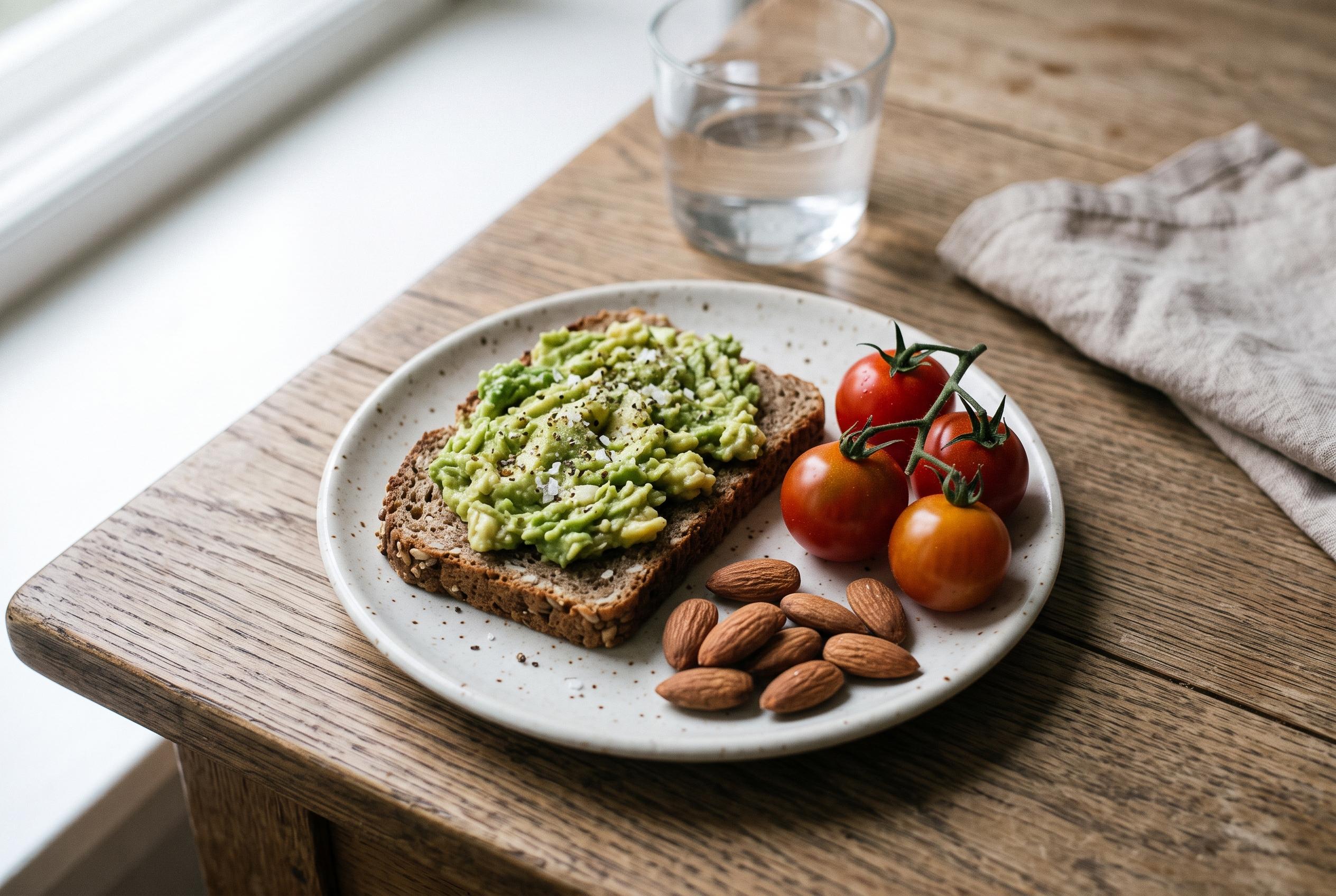

Choosing snacks rich in fibre, protein and healthy fats can prevent blood sugar spikes, says experts, highlighting simple, unprocessed options over sugary processed foods.
Snacking is often treated as the enemy of stable energy, but the reality is more complicated. The right between-meal bite can help keep hunger, mood and glucose on a steadier footing, while the wrong one can drive a sharp rise in blood sugar followed by an equally unwelcome dip. The difference usually comes down to what is doing the heavy lifting: fibre, protein and healthy fat, rather than refined starch or added sugar.
Some of the most reliable choices are also the simplest. Plain Greek yoghurt with berries offers protein, probiotics and a modest dose of natural sweetness, provided the yoghurt is unsweetened. Healthline says plain yoghurt is a useful option for people watching blood sugar, while Nutrisense notes that Greek yoghurt’s higher protein and lower carbohydrate content help slow digestion and blunt spikes. Apples with peanut butter work for similar reasons. Healthline points out that apples are relatively low on the glycaemic index, and Medical News Today notes that natural peanut butter is also low on the glycaemic index and brings fat and protein to the table, helping to smooth the body’s response.
The same logic applies to hard-boiled eggs, almonds, hummus with raw vegetables and edamame. These foods are either very low in carbohydrate or package their carbohydrates with enough fibre, protein and fat to slow absorption. Cottage cheese paired with fruit is another useful example: the protein in the dairy helps offset the faster-digesting sugar in pineapple or similar fruit. Whole-grain crackers with cheese and avocado on whole-grain toast can also work well, but only if the grain is genuinely whole and not just refined flour in disguise.
By contrast, several snacks that look innocent enough can cause trouble fast. Plain rice cakes are mostly puffed refined rice and contain little to slow glucose release. Bottled fruit juice and many smoothies remove the fibre that whole fruit provides, leaving a concentrated sugar hit. Flavoured yoghurt cups and shop-bought granola bars can also be misleading, since both often contain far more added sugar than their health halo suggests. The article cites research indicating that flavoured yoghurts may contain nearly twice as much sugar as plain versions, and many granola bars carry 10 grams or more of added sugar per serving.
Portion size and product choice still matter, and individual responses vary with activity, genetics and even gut bacteria. But the broader pattern is clear: snacks built around protein, fibre and healthy fats are far more likely to keep blood sugar stable than those stripped of those elements. For most people, the most practical strategy is also the least glamorous , read the label, choose plain over flavoured where possible, and pair carbohydrates with something that slows them down.
Disclaimer: This content is for informational purposes only and is not intended to be a substitute for professional medical judgment, advice, diagnosis, or treatment.