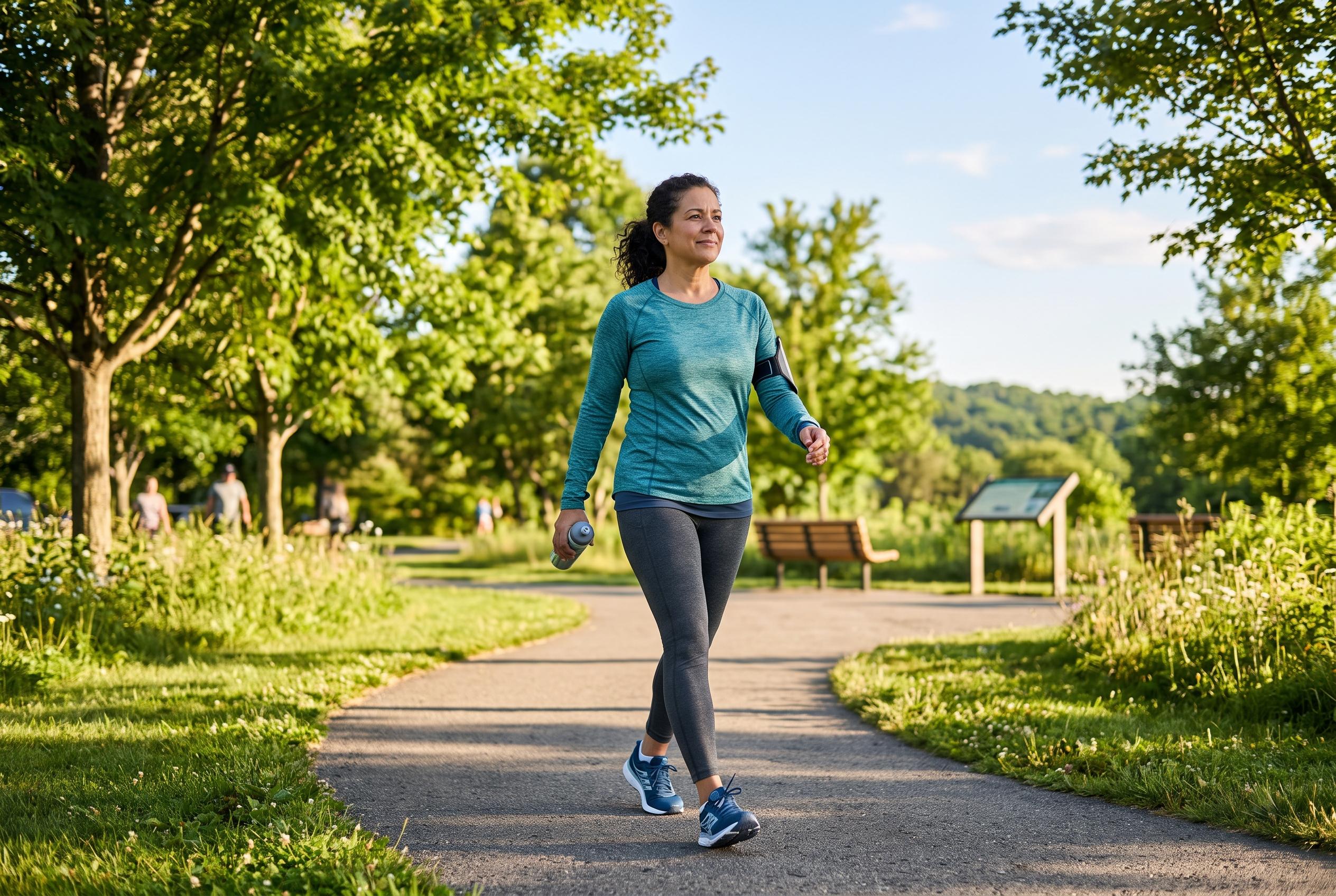

A nutritionally-focused approach recommends a quick 10-minute walk immediately after meals to help reduce blood glucose spikes, supported by recent research and clinical guidance, though regular exercise remains essential for overall health.
Nutritional therapist Chang Hsin-fang said that if the aim is to blunt blood sugar rises after meals, the timing of a walk matters as much as the exercise itself. Writing on her Facebook page, ViVi Nutrition Life Talk, she argued that a 10-minute stroll taken immediately after eating can be more effective than a single 30-minute walk done later in the day. She added, however, that this should be seen as a supplement to, not a replacement for, regular exercise.
Her comments are backed by research cited in the Liberty Times Health Channel report and by clinical guidance from the Cleveland Clinic, which says even a short post-meal walk can limit the size of a glucose spike. A study in Diabetes Care found that three 15-minute walks after meals improved 24-hour glycaemic control in older adults at risk of impaired glucose tolerance, while another trial in the same journal showed post-meal walking can help manage postprandial hyperglycaemia in people with type 2 diabetes. Research published in Applied Physiology, Nutrition, and Metabolism also found that slow walking after a carbohydrate-rich meal reduced blood glucose responses in middle-aged women.
The reason appears straightforward. Blood sugar usually peaks around 30 to 60 minutes after eating, so starting to move sooner allows working muscles to take up circulating glucose earlier and soften the rise. Chang said there is no need to wait for digestion to begin and no need to power-walk; a relaxed 10 to 15 minutes is enough. If all three meals are followed by a brief walk, the effect may add up. She also cautioned against high-intensity exercise immediately after eating, which can cause stomach discomfort as blood is diverted towards the muscles.
The larger point, she said, is that post-meal walking and general fitness work different ways. A 10-minute walk after lunch may be a practical tool for controlling after-meal glucose, but it does not deliver the broader benefits of at least 150 minutes a week of moderate-intensity exercise, which supports heart health, muscle mass, metabolic rate and lower cardiovascular risk. For people short on time, the simplest habit may be the most realistic one: step out soon after eating and keep it going.
Disclaimer: This content is for informational purposes only and is not intended to be a substitute for professional medical judgment, advice, diagnosis, or treatment.