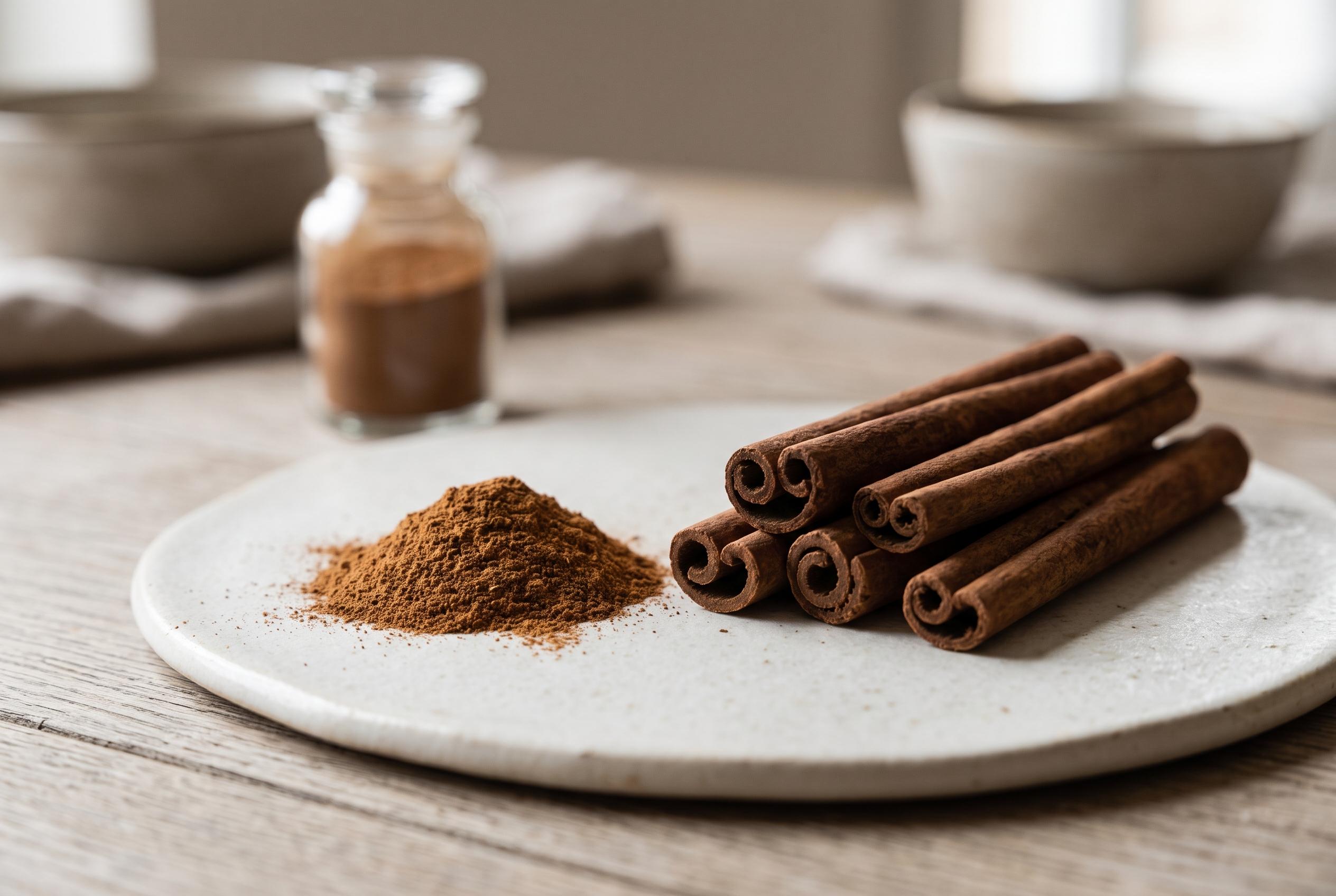

A surge in marketing claims suggesting cinnamon as a cure for diabetes is challenged by health authorities, emphasising that evidence remains inconclusive and unproven supplements may be unsafe.
The latest wave of diabetes-supplement marketing leans on a simple, comforting idea: that cinnamon, a common kitchen spice, can do what prescription treatment cannot. But major health bodies say the evidence does not support that claim. The Mayo Clinic says studies on cinnamon and blood sugar have been inconsistent, while the Cleveland Clinic notes that the research is not strong enough to recommend cinnamon as a treatment. The National Center for Complementary and Integrative Health also says more research is needed on both effectiveness and safety.
That matters because diabetes is not a condition to self-treat with a viral clip or a glossy advertorial. The FDA warns that illegally marketed diabetes products, including supplements, are not evaluated or approved for safety and effectiveness as diabetes treatments and can delay proper care. The agency advises consumers to speak with a healthcare professional before buying unproven products and to report adverse effects.
The appeal of these promotions is easy to understand. They often borrow the look of news coverage, expert interviews or celebrity testimonials to create instant credibility, then use cinnamon as a harmless-seeming hook before steering viewers towards a branded bottle. Full Fact has previously debunked claims that a “cinnamon ritual” can replace established medicines such as metformin or insulin, calling out the gap between the marketing and the medical evidence.
Even when cinnamon itself is discussed in good faith, the science remains limited. Mayo Clinic says different studies have used different doses and different types of cinnamon, which makes comparisons difficult. Cleveland Clinic reaches a similar conclusion, saying a few small studies have shown promise but not enough to change medical practice. In other words, a plausible ingredient is not proof that a particular supplement can control diabetes.
That distinction is critical because the product in the ad is rarely the same thing as the ingredient mentioned in the pitch. A supplement company can cite general research on cinnamon without showing that its own formula, at its own dose, was tested in a proper clinical trial. The FDA has long cautioned that such products may sound medical while offering no reliable evidence that they work.
For consumers, the safer approach is straightforward. Do not replace prescribed treatment with a supplement because an online video makes a dramatic promise. Check claims with a clinician, especially if you take insulin or other glucose-lowering drugs, because the Mayo Clinic says cinnamon may cause side effects and interact with medications when taken in high amounts. If a product appears in a sponsored ad, a fake interview or a sensational “before it is removed” story, treat that as a warning sign rather than a reason to buy.
Seen in context, the cinnamon pitch is less a discovery than a sales technique. It trades on a familiar spice, borrowed authority and hope, but the best available guidance from the FDA, Mayo Clinic, Cleveland Clinic, NCCIH and Full Fact points in the same direction: cinnamon is not a proven substitute for real diabetes care.
Disclaimer: This content is for informational purposes only and is not intended to be a substitute for professional medical judgment, advice, diagnosis, or treatment.