


Cravings for sugary foods often stem from biological, psychological, and lifestyle factors. Experts suggest that stabilising routines, managing stress, and improving sleep can help curb these persistent urges without strict bans on sugar.
People who find themselves reaching for sweets again and again are often caught in a mix of biology, stress and habit rather than simple lack of willpower. Eating a lot of highly processed carbohydrates such as white bread, pastries, sweets and sugary drinks can cause blood sugar to rise quickly and then fall just as fast, leaving hunger to return sooner and making another sugary snack seem tempting. Healthline and Cleveland Clinic both describe this as a familiar cycle: a quick burst of energy followed by a crash that encourages more cravings.
Stress and poor sleep can make that pattern even harder to break. When the body is under pressure, it releases stress hormones that can increase appetite and push people towards calorie-dense foods, including sugary ones. Sleep deprivation has a similar effect, disrupting the hormones that help regulate hunger and fullness so that cravings are more likely the following day. Scientific American notes that the brain can also respond to stress by seeking rapid energy, which helps explain why sweets often feel especially appealing at tense moments.
There is also a psychological side to the urge. Eating sugar activates the brain’s reward pathways and releases dopamine, a chemical linked with pleasure and reinforcement. Over time, the brain can begin to connect sweet foods with comfort or relief, so people who are tired, anxious or low may be more likely to reach for them automatically. Several of the medical and lifestyle sources cited here point to this feedback loop as one reason cravings can feel so persistent.
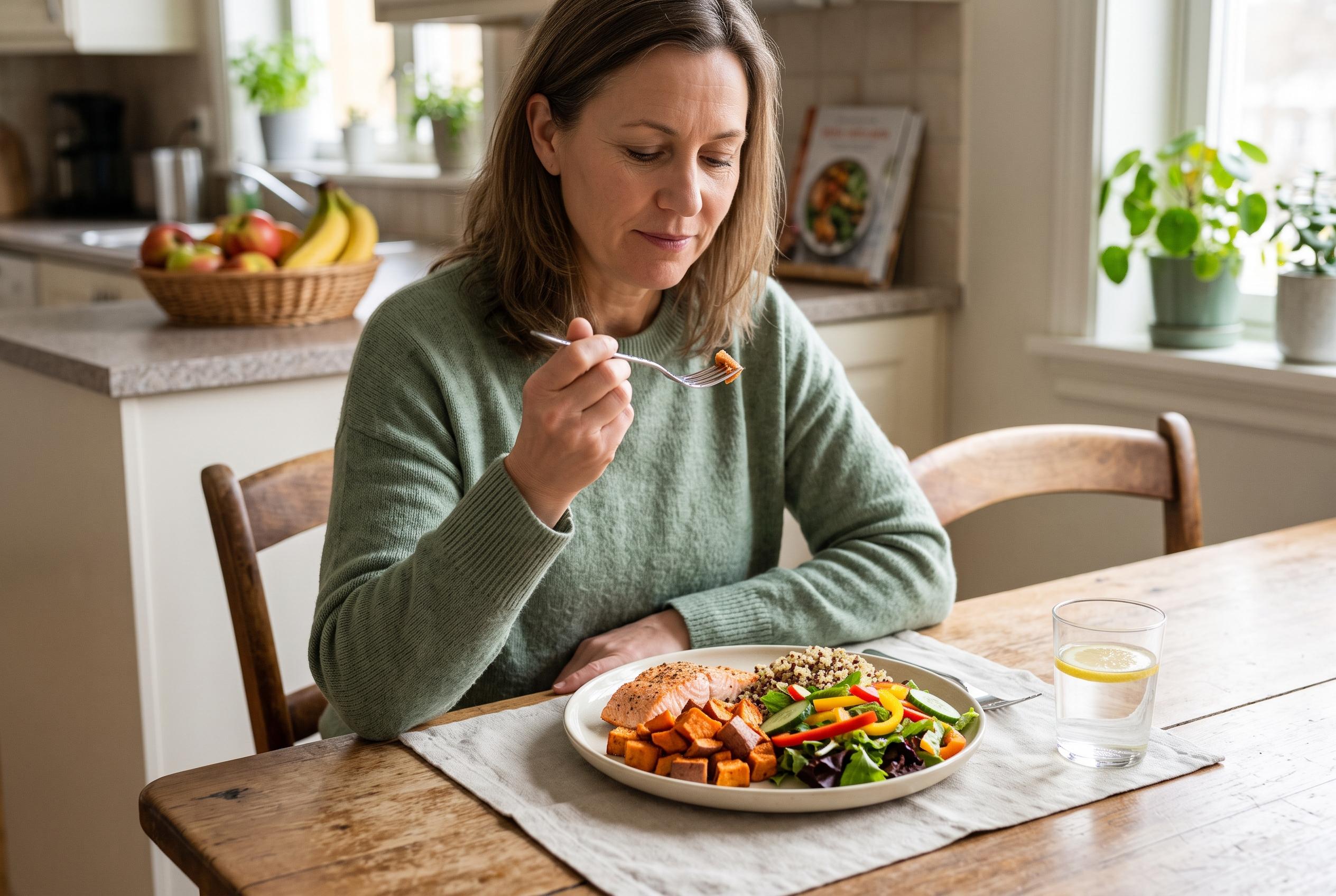
The answer, experts say, is usually not a harsh ban on sugar but a steadier routine. Balanced meals, regular eating, enough sleep, hydration and stress management can all help keep blood sugar more stable and reduce the chance of sudden hunger. The broader message is that cravings are often a signal to look at the whole pattern of daily life, not just the contents of the biscuit tin.
Disclaimer: This content is for informational purposes only and is not intended to be a substitute for professional medical judgment, advice, diagnosis, or treatment.