
Advances in continuous glucose monitoring devices are enhancing blood sugar management for people with diabetes, but experts emphasise the importance of understanding device limitations and proper use for optimal care.
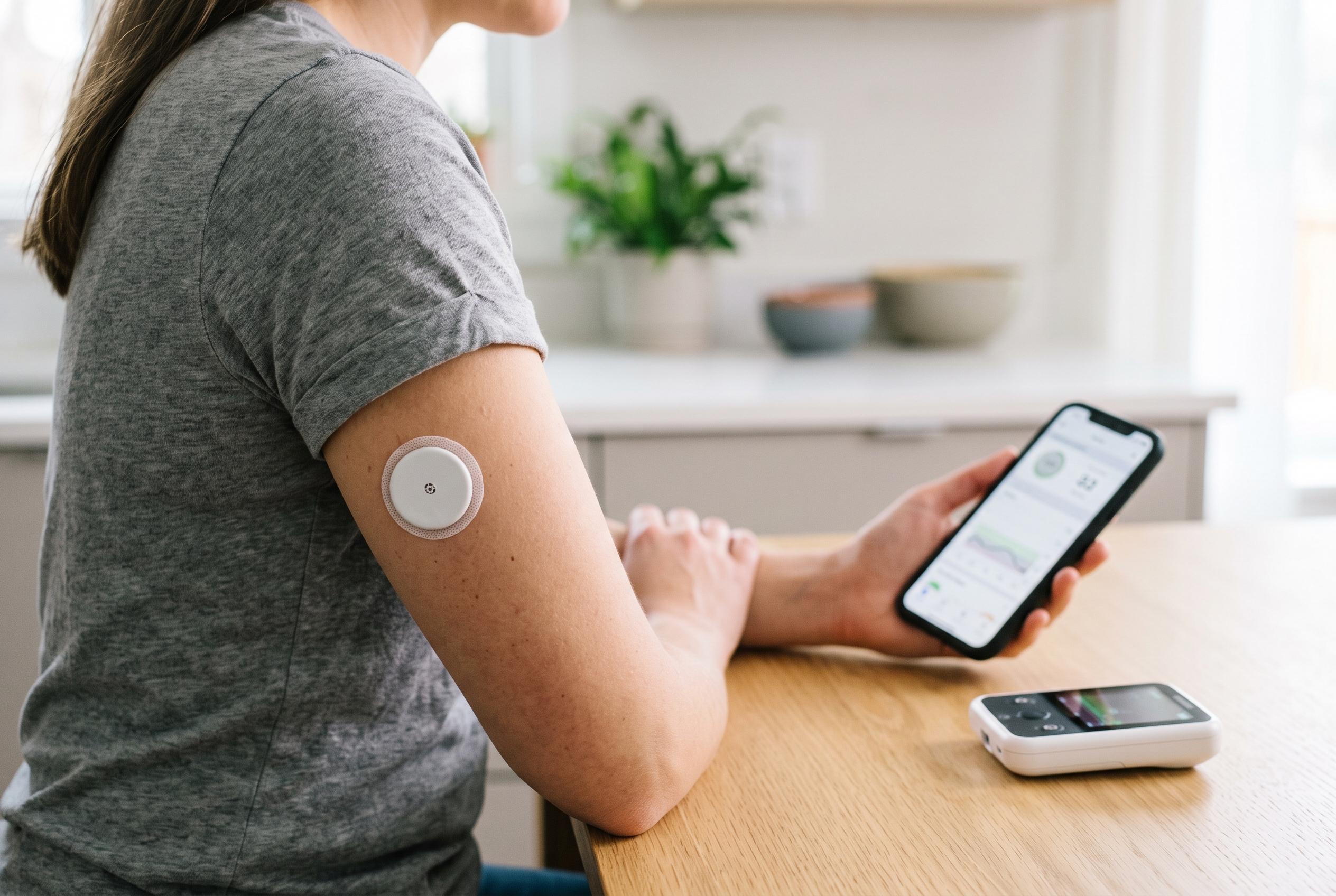
For people living with diabetes, continuous glucose monitors, or CGMs, can turn blood sugar management from a series of isolated checks into a near-continuous picture of what is happening through the day and night. The US Centers for Disease Control and Prevention says these wearable devices are especially useful for people with type 1 diabetes and for many who use insulin for type 2 diabetes, because they provide real-time readings without repeated finger pricks.
A CGM works through a small sensor placed just under the skin, where it measures glucose in interstitial fluid, the fluid between cells. A transmitter then sends the information to a receiver or smartphone app, allowing users to follow trends, review patterns and set alerts for high or low glucose levels, according to the National Institute of Diabetes and Digestive and Kidney Diseases and the Indian Health Service.
One of the most important points for users to understand is that CGM readings do not always match a fingerstick blood glucose test exactly. The difference exists because the device is tracking glucose in interstitial fluid rather than directly in the bloodstream, and the two can diverge, particularly when glucose is changing quickly. The CDC and Mayo Clinic both note that a conventional blood glucose check is still important at times, especially if symptoms do not fit the sensor reading or if accuracy is in doubt.
Mayo Clinic also says the reliability of a traditional glucometer depends on correct technique, including clean hands, properly stored test strips and a monitor kept in suitable condition. That matters because many people use fingerstick testing as the back-up when their CGM seems inconsistent. Health experts also advise users to be aware that certain medical procedures can damage a CGM, while some devices are water-resistant and may be used during bathing or swimming.
For people choosing a device, the broader lesson is that a CGM is more than a glucose number on a screen. It can show how meals, exercise, stress and illness affect blood sugar, helping users and clinicians adjust treatment more effectively, according to the Indian Health Service and Abbott. Sweet Life says several CGMs are available in South Africa and points readers to an accuracy checklist designed to help people assess whether a device has been properly tested, underscoring that selection should be based on reliability as well as convenience.
Disclaimer: This content is for informational purposes only and is not intended to be a substitute for professional medical judgment, advice, diagnosis, or treatment.