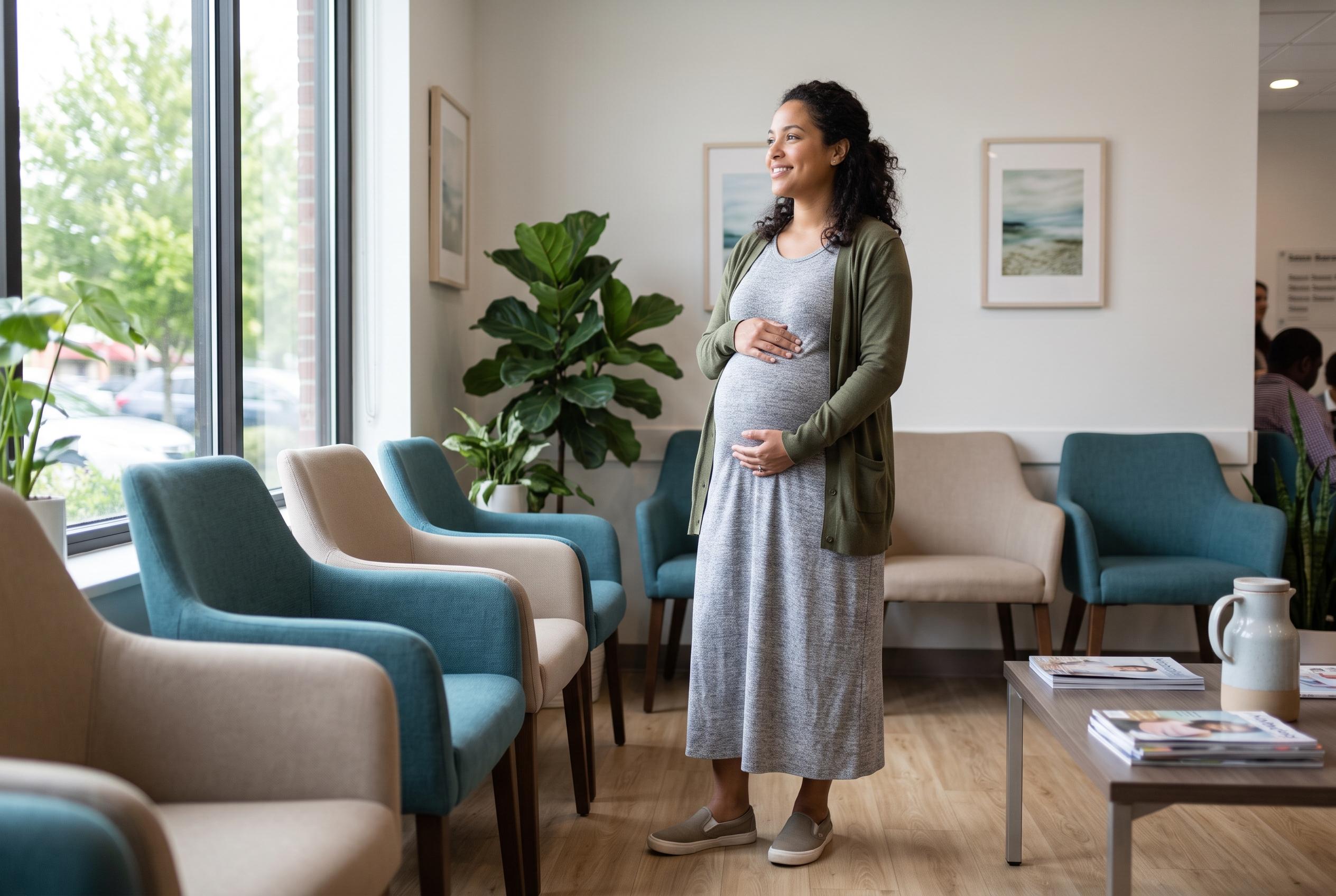

A major UK study reveals that approximately one in eight pregnant women in England now diagnoses with gestational diabetes, with alarming increases among Asian women and deprived communities, highlighting growing health disparities and strained maternity services.
Gestational diabetes is affecting a growing share of pregnancies in England, with a major study finding that roughly 1 in 8 mothers is now diagnosed with the condition. Researchers analysed NHS maternity records for more than 2.3 million mothers and about 2.8 million births across 184 hospitals between 2018 and 2022, and found diagnoses climbed from around 8% of pregnancies to more than 12%.
The rise was steepest among groups already facing poorer outcomes. According to the study, rates reached about 23% among Asian women and about 14% in the most deprived areas. The analysis also found wide gaps in pregnancy outcomes: Black mothers were more likely to need emergency Caesarean sections, women in deprived areas were more likely to deliver pre-term and Asian mothers were more likely to have babies born small for gestational age.
Gestational diabetes develops when pregnancy-related hormonal changes make it harder for the body to produce enough insulin to control blood sugar. The NHS says the condition can lead to complications for both mother and baby, including pre-term birth, emergency Caesarean delivery and babies being born larger or smaller than expected. It also raises the risk of type 2 diabetes later in life, a point echoed by Diabetes UK, which says higher body weight, older maternal age and a family history of diabetes are among the main risk factors.
The researchers said the increase appears to reflect broader changes, including rising maternal age and obesity, rather than a jump caused by altered screening during the COVID-19 pandemic. Rebecca Reynolds, professor of metabolic medicine at the University of Edinburgh, said the findings are the first UK estimate of the scale of gestational diabetes and warned that maternity services are already under strain. Sonya Babu-Narayan, clinical director at the British Heart Foundation, said women who had diabetes or high blood pressure in pregnancy should be routinely asked about those risks later in life, even decades afterwards.
Disclaimer: This content is for informational purposes only and is not intended to be a substitute for professional medical judgment, advice, diagnosis, or treatment.