
Gastroenterologist Karen Alarcón shares three practical strategies, altering food order, adding acids, and cooling starches, that can make carbohydrate-rich meals less disruptive to blood glucose levels and potentially aid in weight control.
For people wary of carbohydrates, the message from gastroenterologist and endoscopist Karen Alarcón is not to cut them out altogether, but to change how they are eaten. Alarcón argues that three small adjustments can help blunt blood sugar spikes and make meals less likely to contribute to weight gain: changing the order of foods on the plate, adding acidic ingredients such as lemon or vinegar and turning some starches into resistant starch by cooling them first.
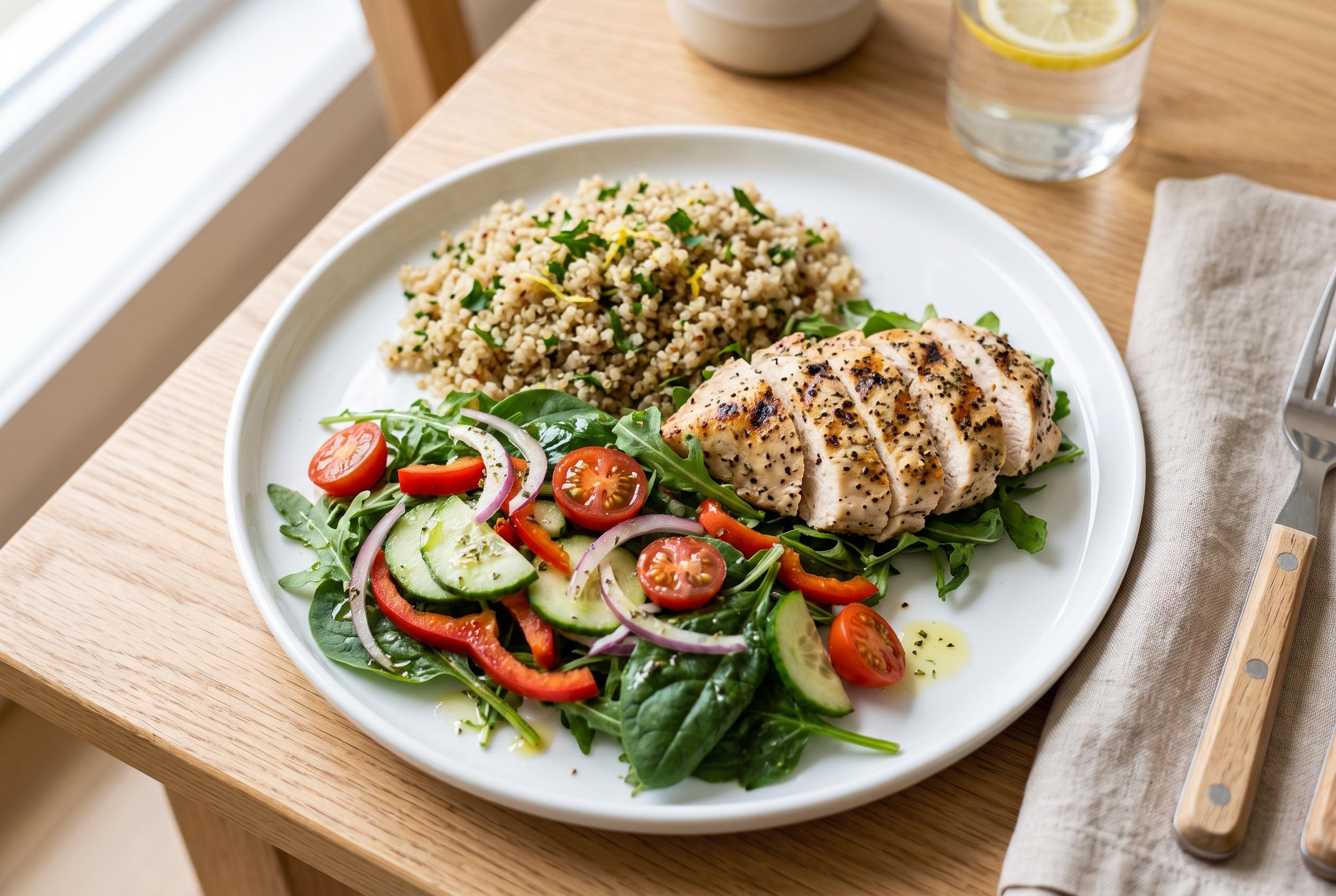
The first tactic is surprisingly simple. According to UCLA Health, eating vegetables and protein before carbohydrates can help moderate blood glucose swings, a point that fits with Alarcón’s advice to begin with fibre, move on to protein and leave starches until last. The idea is that fibre and protein slow digestion, which may reduce how quickly glucose enters the bloodstream and may also help people feel full sooner. The broader concern is not only short-term spikes, but the repeated rises and falls in blood sugar that experts say are linked with insulin resistance and, over time, a higher risk of type 2 diabetes.
The second approach involves acids already common in the kitchen. Healthline says apple cider vinegar has been studied for its possible effect on blood sugar, with some evidence that it may slow digestion and slightly improve satiety, although more research is needed and stomach irritation can be a problem for some people. Healthline also notes that lemons have a low glycaemic impact and that lemon juice may help temper the effect of high-carbohydrate meals. In a more cautious comparison, Tuasaude reported in July that both lemon and apple cider vinegar appear to have modest effects, with vinegar backed by more studies but lemon often being easier on the stomach.
The third trick is to cool starches before eating them. Alarcón recommends cooking rice, chilling it for several hours and then reheating it, a process that can increase resistant starch. Once starch retrogrades in this way, it behaves more like a fibre, reaching the large intestine where it feeds beneficial bacteria rather than being digested immediately in the small intestine. Food specialist Monse Meléndez has said the same principle can apply to pasta, bread, oats and maize if they are frozen or chilled long enough. The result is not a magic fix, but a practical way to make carbohydrate-rich foods less abrupt in their effect on glucose and, potentially, easier on the waistline.
Disclaimer: This content is for informational purposes only and is not intended to be a substitute for professional medical judgment, advice, diagnosis, or treatment.