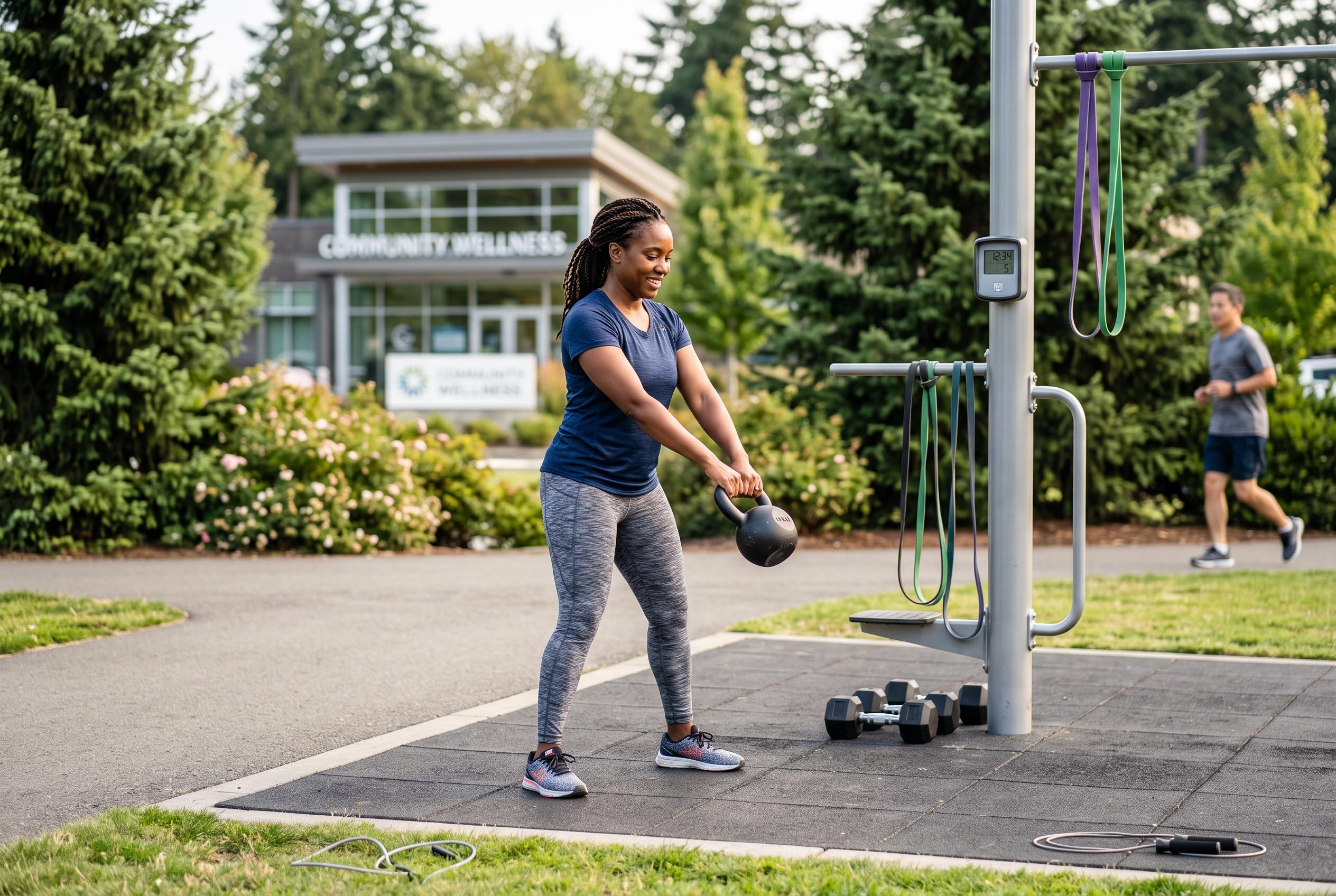

Emerging research highlights the importance of combining different forms of exercise, timing, and frequency to better manage blood glucose levels, particularly for those with diabetes or prediabetes.
Blood sugar management is not only a question of diet; physical activity can change how the body handles glucose as well. In the Indian Express article, nutritionist Jagriti Kurani argues that movement helps muscles draw sugar from the bloodstream more effectively, especially for people with diabetes or prediabetes. She listed a mix of activities, including brisk walking, resistance training, yoga, swimming and dancing, and framed them as ways to improve insulin sensitivity. “Your muscles are the biggest glucose users in your body. Move more, and let your muscles pull sugar out of your bloodstream naturally! Every step counts,” she wrote on Instagram.
That basic idea is supported by medical guidance, though the details matter. The Cleveland Clinic says exercise soon after eating can help reduce post-meal blood sugar spikes, making timing one useful part of diabetes management. The National Center for Biotechnology Information likewise recommends that adults with type 2 diabetes aim for 30 to 60 minutes of moderate aerobic exercise most days, alongside resistance training at least twice a week, to improve glycaemic control.
Research also suggests that some lower-intensity practices can help. A systematic review published in the Journal of Integrative Medicine found that traditional Chinese exercise styles had a positive effect on blood glucose and haemoglobin A1c in people with prediabetes. Separate reporting from Tom’s Guide on a study in Cureus said that combining yoga with walking was more effective at lowering blood sugar in people with type 2 diabetes than either approach alone.
How exercise is accumulated may matter too. A systematic review and meta-analysis in BMJ Open Sport & Exercise Medicine found that short bouts of activity spread through the day can improve glycaemic control as effectively as longer continuous sessions in inactive adults without diagnosed glucose problems. Taken together, the evidence suggests there is no single best workout for everyone, but there is strong support for moving more often, mixing aerobic and strength work and, when possible, fitting activity around meals.
Disclaimer: This content is for informational purposes only and is not intended to be a substitute for professional medical judgment, advice, diagnosis, or treatment.