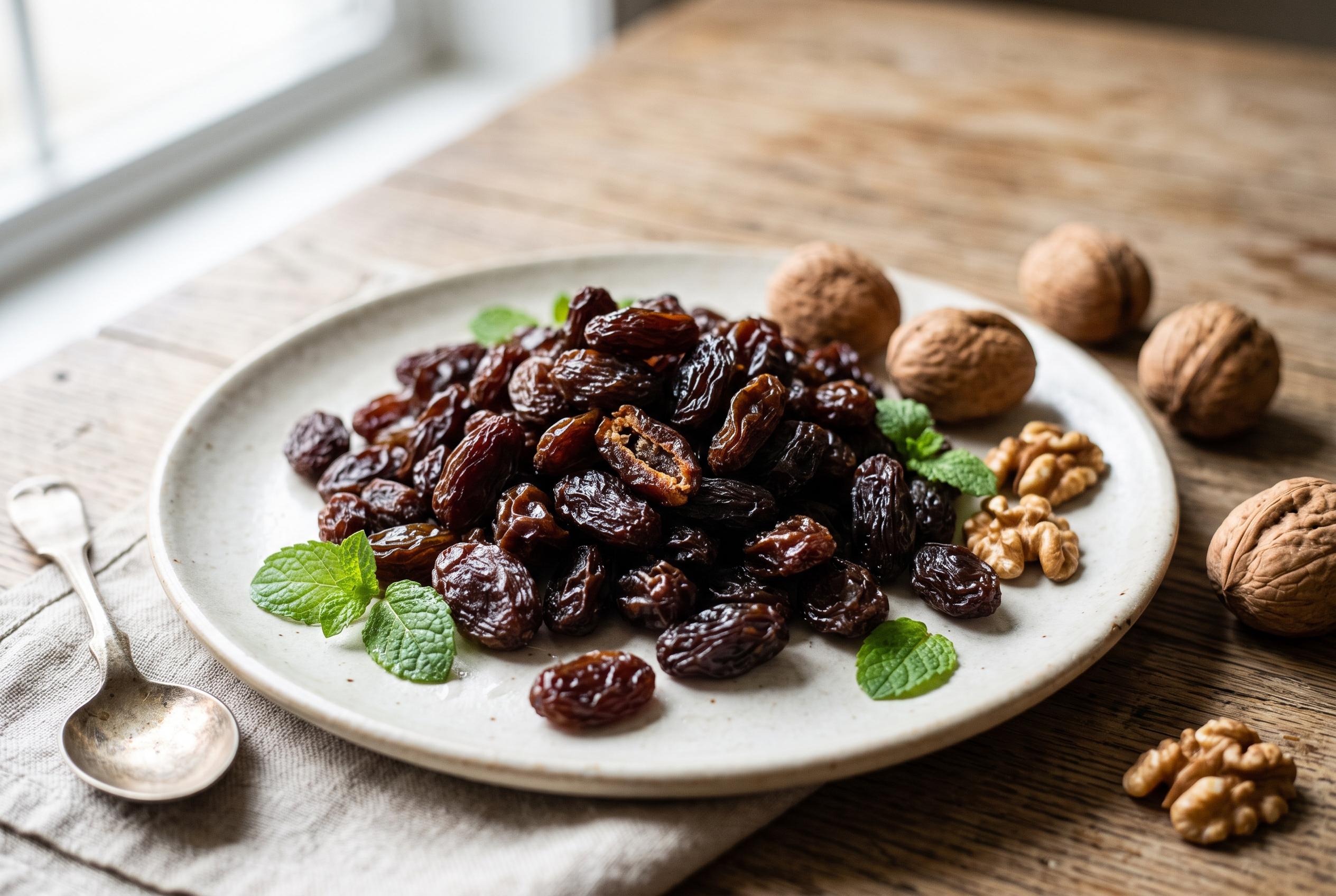

Dietitians highlight the health-boosting properties of raisins, emphasising their role in supporting heart health, blood pressure, and digestion when enjoyed in moderation.
Raisins may be a modest snack, but dietitians say the dried fruit offers more than a quick sugar hit. According to Prevention, which spoke to dietitians Lena Bakovic and Kati Schimmelpfenning, raisins are a concentrated source of nutrients and plant compounds that can support overall health when eaten in sensible portions.
The United States Department of Agriculture says a small 42-gram box of raisins contains 129 calories, 1.4g of protein, 34g of carbohydrates, 2g of fibre and 28g of sugar. They are also rich in polyphenol antioxidants, including quercetin and phenolic acids, which help cells defend against oxidative stress. Healthline likewise notes that raisins are nutrient-dense and contain useful minerals and antioxidants, while WebMD says they are a convenient snack with benefits for heart health and blood pressure.
Bakovic said raisins are a concentrated source of nutrients, while Schimmelpfenning pointed out that a small handful contains roughly a third of the potassium found in a banana. That matters because potassium helps with normal heart function and blood pressure control. Several studies have linked regular raisin consumption with lower total and “bad” cholesterol and reduced systolic blood pressure, according to the Prevention report. Healthline and WebMD also say raisins may support digestion and may help with blood pressure and blood sugar control.
Despite their sweet taste, raisins do not appear to cause the same sharp spikes in blood sugar as many people might expect. Their glycaemic index is low to moderate, and one study cited by Prevention found smaller glucose and insulin rises than with a glucose control food in both healthy adults and people with type 2 diabetes. Healthline says people with diabetes can include raisins in moderation, especially when paired with protein or fat. Dietitians also caution that people with kidney disease should be careful because raisins are high in potassium, while anyone sensitive to sulphites should check the label, as some dried fruit contains preservatives to maintain colour.
Disclaimer: This content is for informational purposes only and is not intended to be a substitute for professional medical judgment, advice, diagnosis, or treatment.