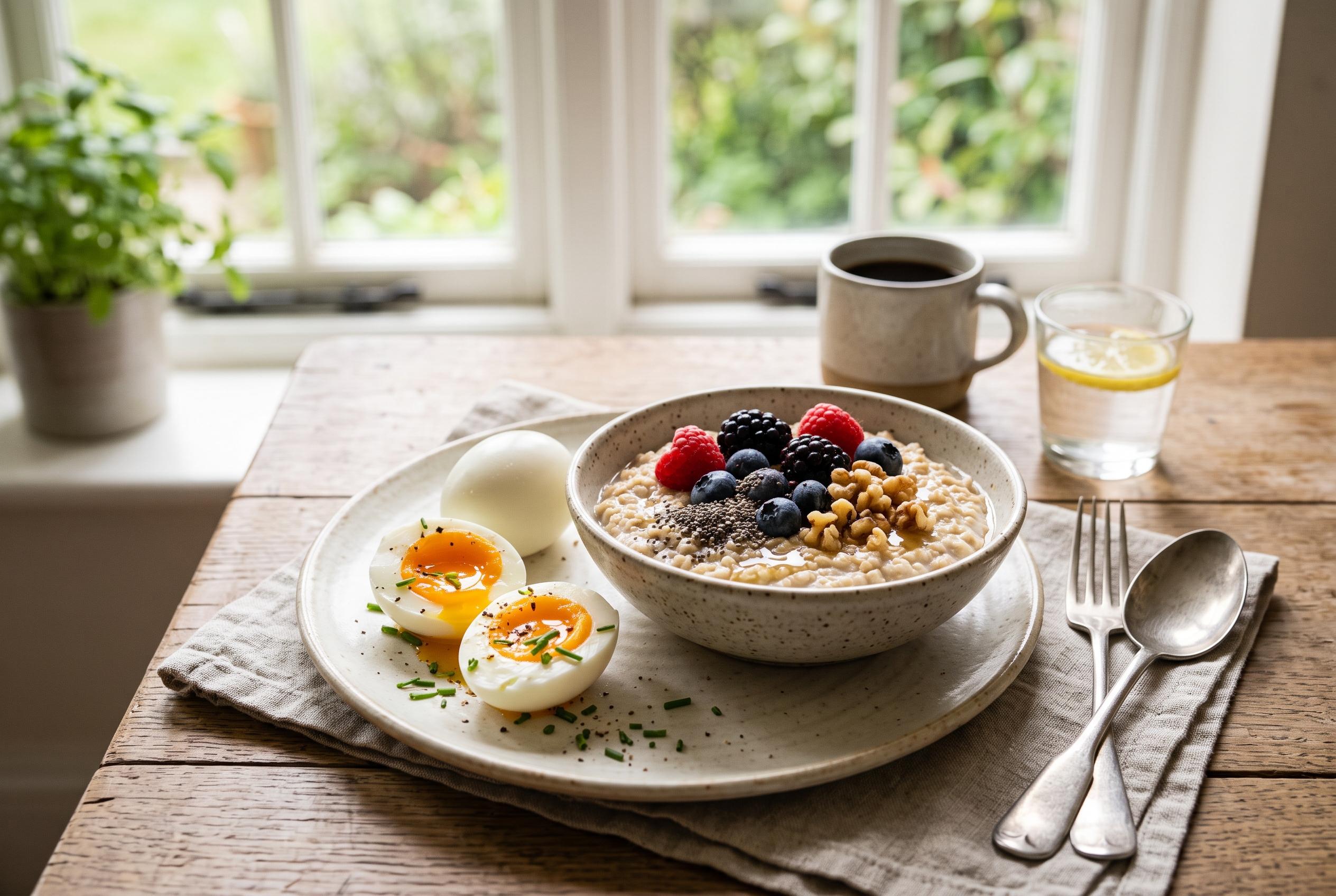

A balanced breakfast rich in protein and fibre, consumed earlier in the day, can improve appetite control, support concentration, and align with circadian rhythms. Skipping breakfast or relying on ultra-processed foods may carry health risks, but simple, portable options offer safer nourishment for busy mornings.
Skipping breakfast is not a free pass to start the day on junk food, but the timing and quality of what you eat both matter. A healthy morning meal can help steady appetite, support concentration and reduce the odds of overeating later, according to Cleveland Clinic and Harvard Medical School. That said, the real issue is not simply whether food is eaten at 8am or 8pm, but whether it is built around protein, fibre and other nutrient-dense ingredients rather than highly processed items.
That distinction becomes clear with foods such as breakfast burgers, pastries and sugary cereals. Public health guidance from the American Heart Association and other medical sources says ultra-processed foods tend to be high in saturated fat, added sugar and salt while offering little nutritional value, and regular consumption is linked with a higher risk of obesity, heart disease and type 2 diabetes. Healthline has also highlighted research showing that foods loaded with sugar and fat can intensify cravings and encourage overeating, particularly in children.
There is also a biological reason breakfast may deserve more attention than it often gets. The body runs on a 24-hour circadian rhythm, and food intake can affect that internal clock. Eating heavily late at night can interfere with sleep-related hormones and digestion, while front-loading calories earlier in the day may better match the body’s natural processing patterns. In that context, a breakfast built around eggs, beans, yoghurt, nuts, oats or wholegrain bread is a more useful choice than one dominated by refined carbohydrates and sauce.
Skipping breakfast altogether is still a different question. Intermittent fasting has drawn attention for possible benefits, but the evidence remains mixed and it is not suitable for everyone, including pregnant women, children and some people taking medication. For most adults, the safer takeaway is simple: if mornings are rushed, choose something portable and balanced rather than nothing at all. A banana, yoghurt and muesli may not sound glamorous, but it is far more likely to keep energy levels and appetite in check than a sugar-heavy convenience meal.
Disclaimer: This content is for informational purposes only and is not intended to be a substitute for professional medical judgment, advice, diagnosis, or treatment.