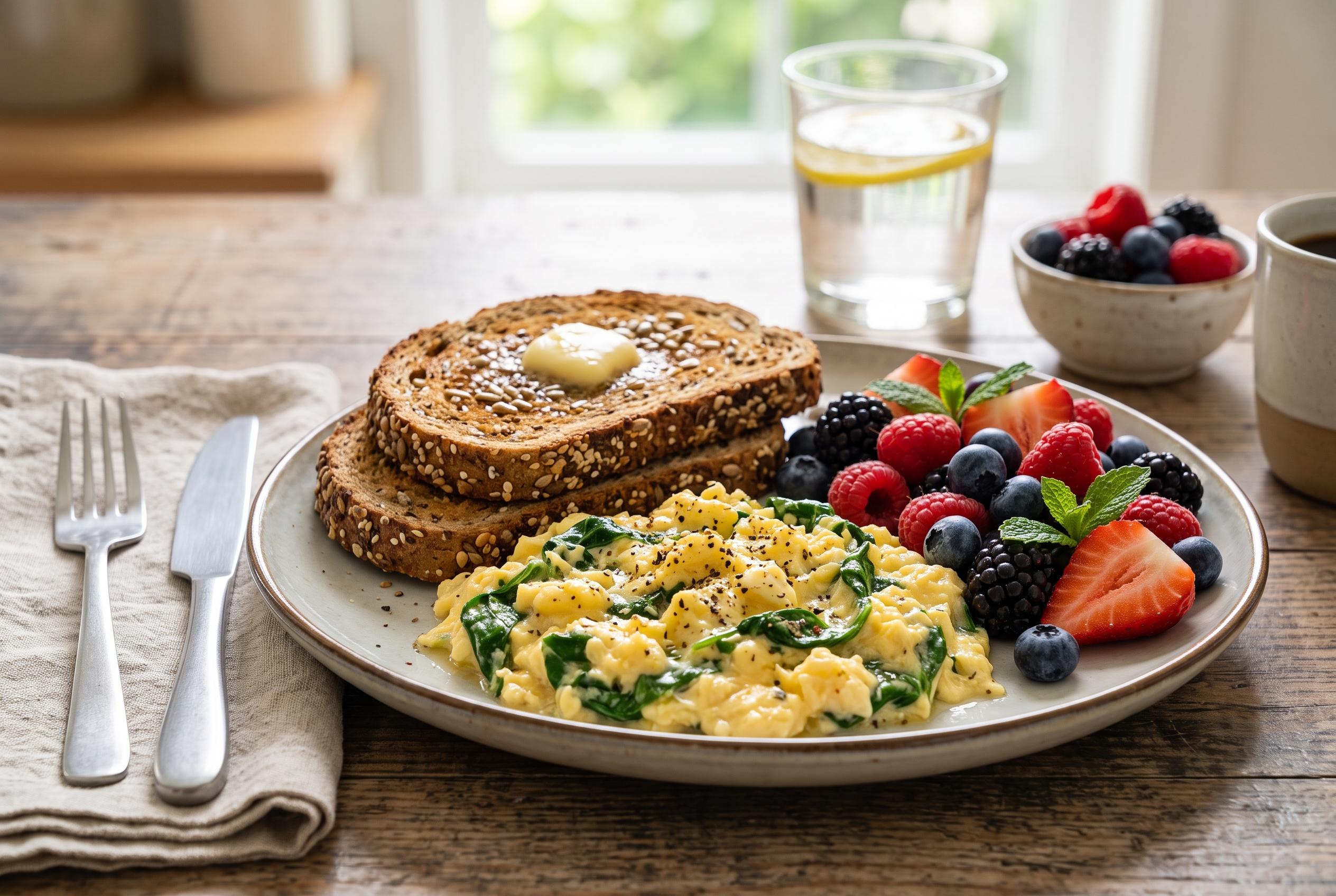

Experts warn that popular breakfast choices often rely on refined flour and sugar, leading to energy crashes and hunger. A shift towards protein-rich, fibre-based options may foster better satiety and blood sugar stability.
Breakfast is often sold as the day’s healthiest habit, but not every morning plate does much for energy or fullness. According to Argentine gastroenterologist Facundo Pereyra, several of the most common breakfast choices have a shared flaw: they lean too heavily on refined flour and sugar, which can push blood glucose up quickly and leave people hungry again soon after. Healthline and the Cleveland Clinic have made the same broader point, warning that many popular breakfast foods are high in added sugar, low in fibre and prone to causing an energy crash later in the morning.
One of Pereyra’s main examples is bread with butter and jam, a pairing he says delivers little more than a fast hit of sugar. A more balanced plate, he argues, would include scrambled eggs, avocado and a slice of wholemeal bread or almond flour toast. That combination adds protein, healthy fats and fibre, which generally help slow digestion and keep hunger at bay for longer. Nutrition guidance from Healthline similarly recommends shifting away from refined-grain breakfasts and towards options that are higher in protein and made with whole ingredients.
He also takes aim at boxed breakfast cereals, even the ones marketed as fortified or wholesome. Many commercial cereals are ultra-processed and contain enough added sugar to make them function more like dessert than a steady source of fuel, health writers at Healthline and the Cleveland Clinic note. Pereyra suggests a simpler bowl of plain Greek yoghurt, oats and nuts such as walnuts or almonds, a mix that brings together protein, fibre and healthy fats. That same logic applies to the popular fruit, granola and honey bowl: fruit itself is not the problem, but commercial granola and honey can add more quick sugar than many people realise.
For those who want something that feels closer to a treat, Pereyra recommends a homemade loaf or pudding made with egg, apple and oats or almond flour, served with fresh fruit. The larger lesson, echoed across the health sources, is that breakfast does not need to be elaborate to be useful. A good morning meal usually combines protein, a source of healthy fat and a slower-digesting carbohydrate, helping to smooth out blood sugar swings and reduce the urge to snack before lunch.
Disclaimer: This content is for informational purposes only and is not intended to be a substitute for professional medical judgment, advice, diagnosis, or treatment.