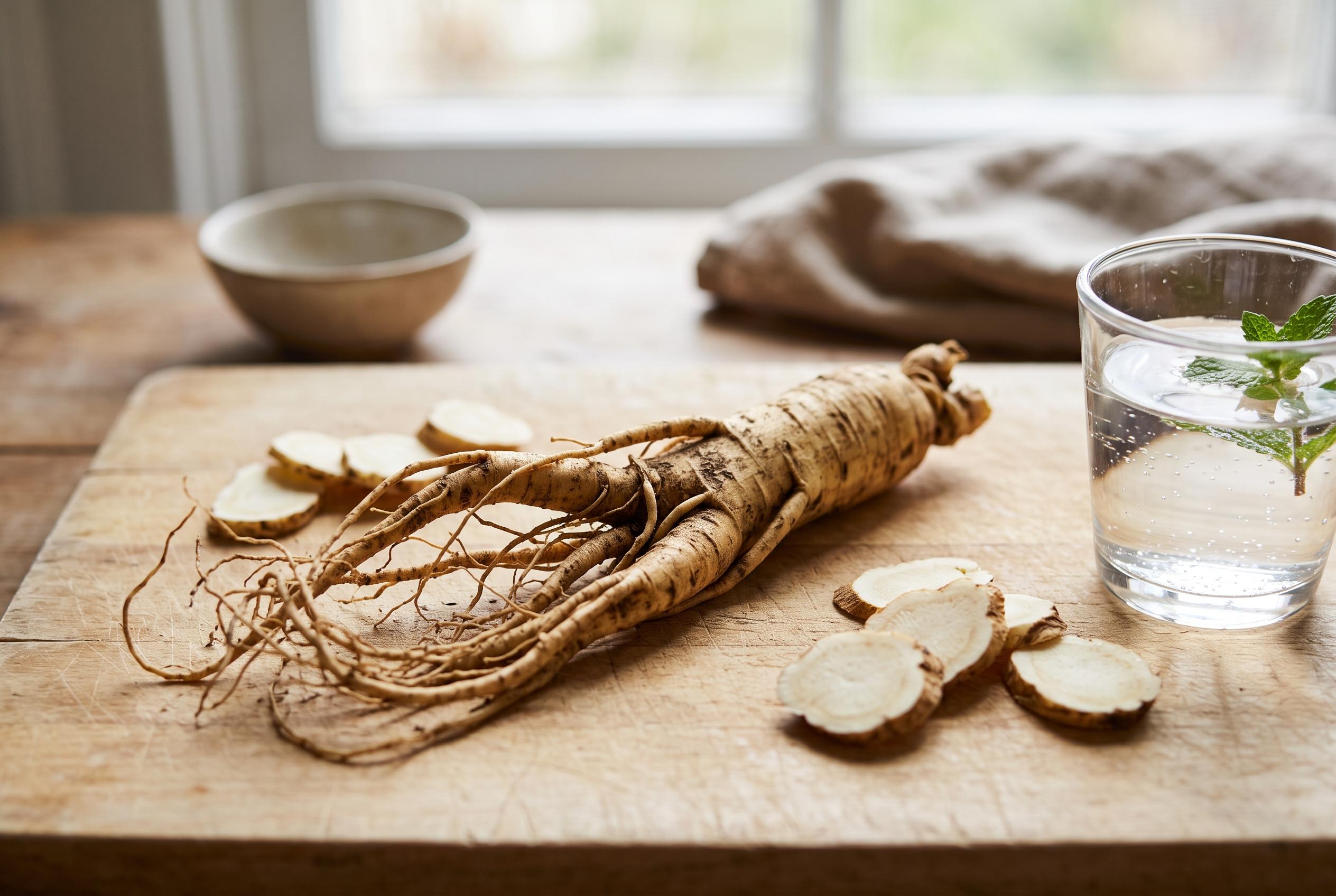

Recent reviews highlight ginseng’s modest role in blood sugar control and overall health support, but experts emphasise it should complement, not replace, standard diabetes treatments and lifestyle measures.
Ginseng has long been promoted as a traditional remedy, but recent summaries suggest it may also play a modest role in blood sugar control. The Russian-language article says medics identified the root as a product that can help lower glucose, support immunity and aid recovery, while wider reviews indicate that both Asian and American ginseng have been studied for their potential anti-hyperglycaemic effects.
Research published in journals and reviews cited by Healthline and the National Center for Biotechnology Information suggests ginseng may reduce blood sugar after meals and, in some studies, improve fasting glucose in people with type 2 diabetes. The evidence also points to possible benefits for lipid levels, including lower triglycerides and LDL cholesterol, which matters because diabetes often travels with heart and blood vessel risk.
Supporters of ginseng also point to broader effects beyond glucose control. Healthline and Cleveland Clinic note that it may act as an antioxidant, help with fatigue, support immune function and possibly aid cardiovascular health, although both stress that more research is needed before it can be treated as a proven therapy.
That caution is important. Medical News Today says ginseng may improve glucose tolerance and insulin sensitivity, but it should not be viewed as a replacement for standard diabetes care. Healthline also warns that people taking immunosuppressants or blood thinners should be careful, because ginseng can interfere with those medicines.
For people considering it, the form varies from fresh root to powder, capsules and tea. Even so, the safer message from the research is simple: ginseng may be a useful add-on for some adults, but it works best alongside diet, exercise, weight control and medical advice rather than as a stand-alone fix.
Disclaimer: This content is for informational purposes only and is not intended to be a substitute for professional medical judgment, advice, diagnosis, or treatment.