
New research reveals that cooling cooked pasta overnight increases its resistant starch content by around 60%, subtly altering its digestion and potential health effects, without turning it into a miracle health food.
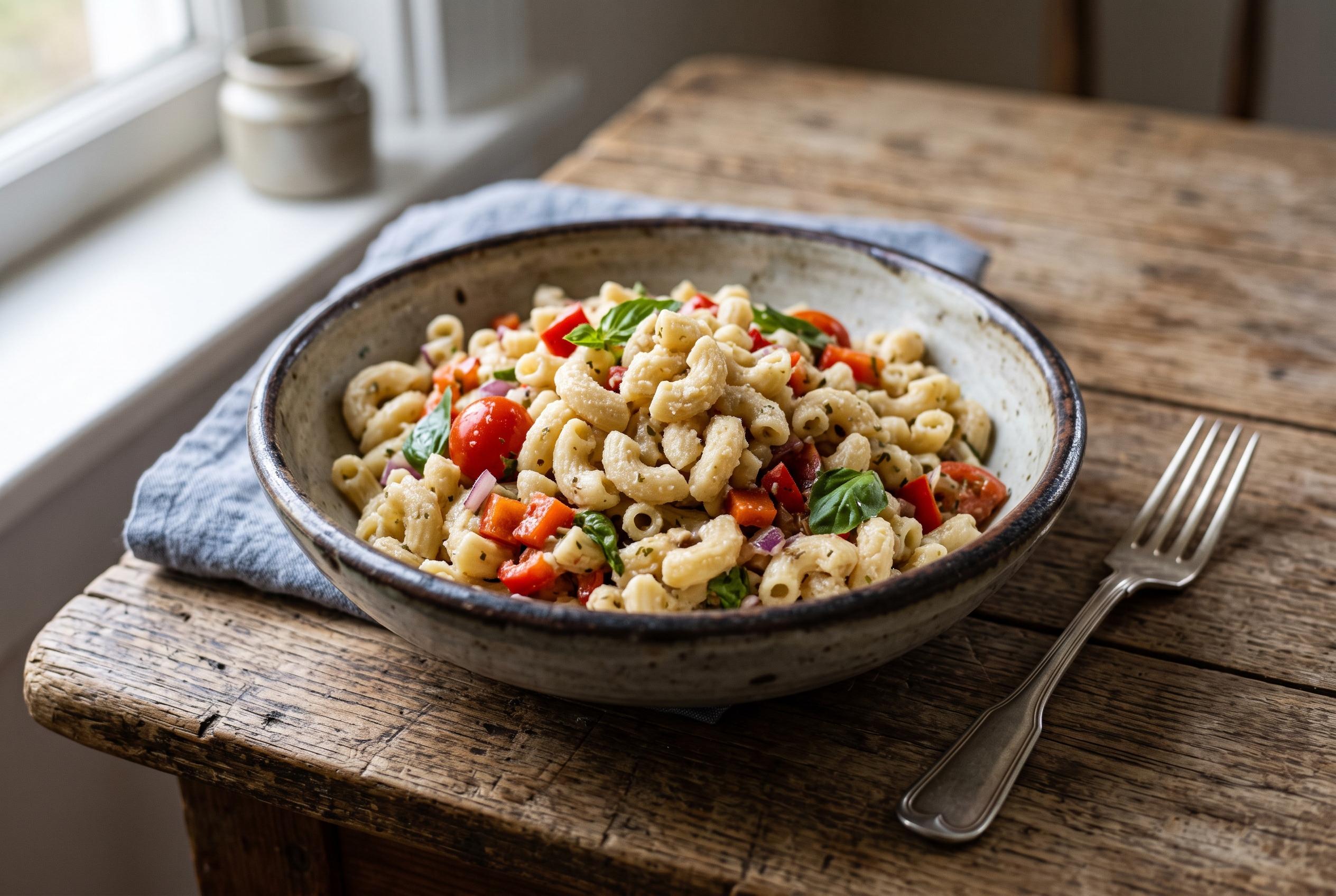
Leftover pasta may be more than a reheated convenience. According to research published in 2026, cooling cooked pasta overnight can raise its resistant starch content by about 60%, and reheating does not fully reverse that change. In practical terms, the food keeps a different structure after chilling, which alters the way the body breaks it down.
The effect comes from starch retrogradation, a process in which starch molecules realign as the pasta cools and form tighter crystalline structures. Those structures are harder for digestive enzymes to dismantle in the small intestine, so more of the starch passes through to the colon instead of being absorbed quickly as glucose.
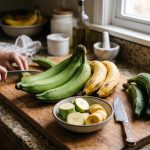
There, gut bacteria ferment the resistant starch into short-chain fatty acids, including acetate, propionate and butyrate. These compounds are associated with gut lining support, immune signalling and inflammation control. Health sources and reviews on resistant starch note that this kind of fibre-like carbohydrate is found in foods such as pasta, rice, potatoes, bananas and legumes, and that cooling tends to increase its amount.
The blood sugar effect is real, though it should not be overstated. A study in adults with type 1 diabetes found that cooled and reheated pasta produced a lower glucose peak than freshly cooked pasta. Similar research on chickpea pasta and white rice has also shown that cooking, cooling and reheating can increase resistant starch and reduce the post-meal glucose response. But the broader evidence suggests the change is usually modest rather than dramatic, and it is not a substitute for overall dietary management.
That makes chilled pasta best understood as a small nutritional shift, not a miracle hack. The chemistry changes the food, but it does not transform a serving of pasta into a health food. Still, for people who eat leftovers, the science suggests the second-day version may behave differently in the body than the meal served straight from the pot.
Disclaimer: This content is for informational purposes only and is not intended to be a substitute for professional medical judgment, advice, diagnosis, or treatment.