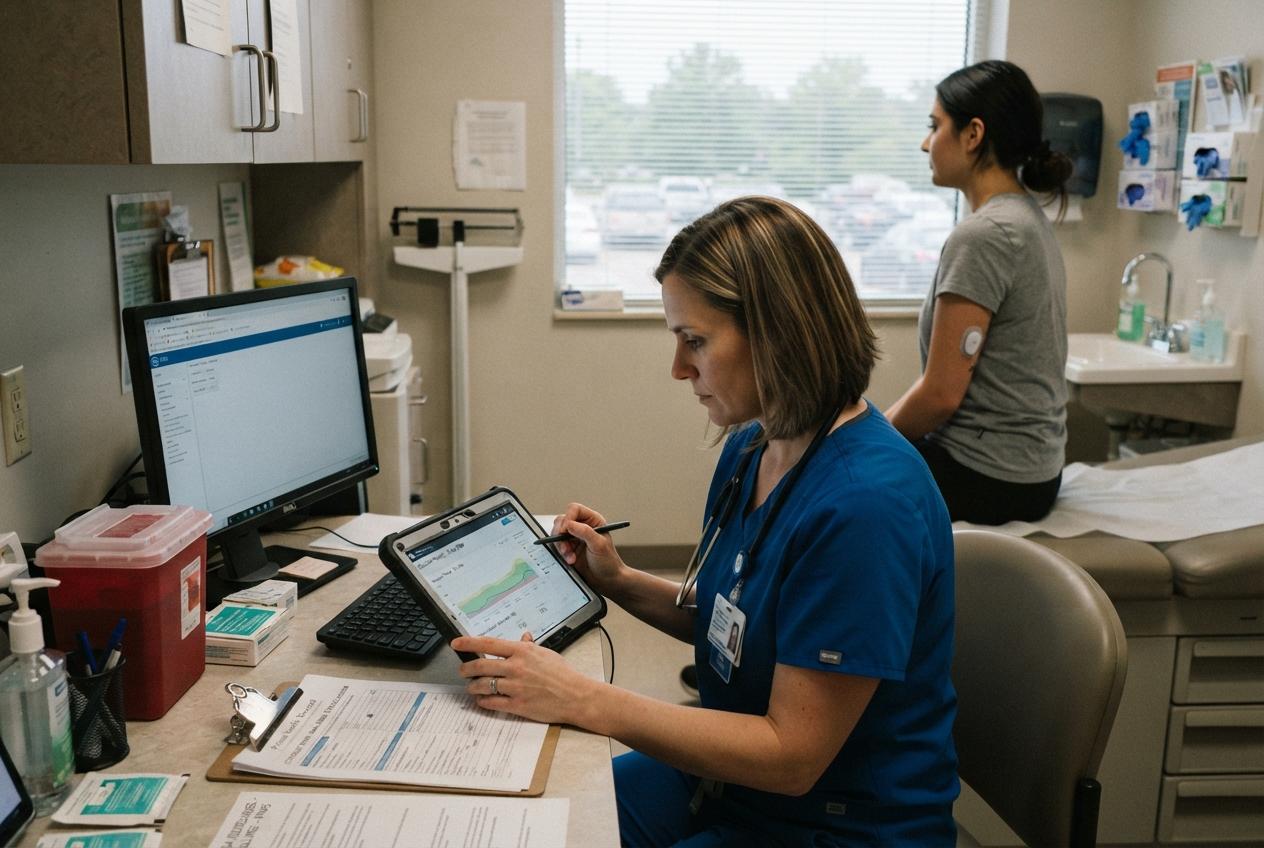

The US FDA has selected Dexcom for its pioneering TEMPO programme, enabling digital health products to reach patients while gathering real-world performance data, marking a significant change in regulatory approach.
The US Food and Drug Administration has picked Dexcom as the first participant in a new pilot that will let some digital health products reach patients while evidence about how they perform is gathered in everyday care, rather than before launch. The move marks the opening stage of the Technology-Enabled Meaningful Patient Outcomes, or TEMPO, programme, which the agency developed alongside the CMS Innovation Center’s ACCESS payment model.
According to the FDA, the pilot is meant to support access to certain digital health devices while still protecting patient safety. In practice, it gives manufacturers a route to ask for enforcement discretion on some regulatory requirements when their products are used in care covered by the Medicare-linked ACCESS model, while they collect and report real-world data on outcomes.
Dexcom, which makes continuous glucose monitors, was selected for its Glucose Health Program. The company says the programme is designed to help with screening for prediabetes and type 2 diabetes, and to support monitoring of metabolic and nutritional status through integrated digital health metrics, real-time data and artificial intelligence insights. The FDA said it will continue to assess the programme’s intended use during the pilot.
The agency’s broader plan is to test whether a risk-based approach can work for technologies that evolve quickly. In announcing TEMPO, the FDA said it expects the pilot to help it better understand how digital health tools perform in ordinary clinical settings, particularly for cardio-kidney-metabolic, musculoskeletal and behavioural health conditions. It also said it intends to select up to about 10 participants in each of four clinical use areas, with an emphasis on US-based manufacturers and a mix of risk profiles.
The ACCESS model, which began its first cohort in July 2026, is built around paying for measurable improvements in patient health rather than individual services. That makes it a useful partner for TEMPO: the payment model can help bring devices into care, while the FDA and CMS gather evidence on whether the technology actually improves outcomes. The agency says more manufacturers may still be chosen, and that it continues to review statements of interest.
For patients, the announcement does not change the status of existing glucose monitors or current treatment decisions. But it does signal a notable shift in how regulators may handle some digital health products in future, by pairing market access with ongoing evidence collection rather than treating those steps as strictly sequential.
Disclaimer: This content is for informational purposes only and is not intended to be a substitute for professional medical judgment, advice, diagnosis, or treatment.