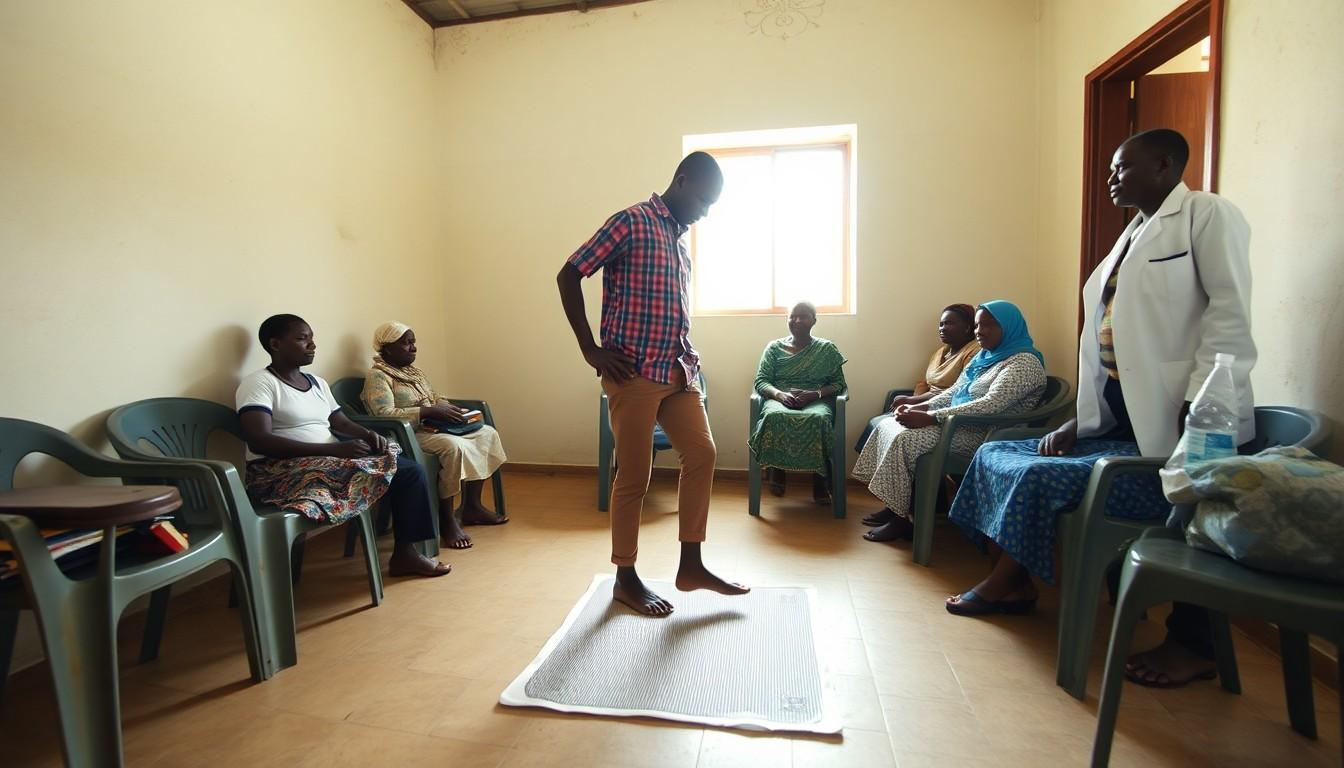

A pilot study demonstrates high adherence to a remote temperature-monitoring mat among people with diabetes, potentially transforming prevention strategies for diabetic foot ulcers and reducing costly complications.
A small pilot study published in the International Wound Journal has found that people with diabetes and a history of diabetic foot ulcers were able to use a remote temperature-monitoring mat with striking consistency, a result that could strengthen efforts to prevent one of the condition’s most costly complications. Researchers at Albert Einstein College of Medicine tracked 20 adults over six months and found they averaged six scans a week, comfortably above the threshold they had set for adherence.
The study is notable because temperature-based monitoring has already been linked in previous research to fewer and less severe foot ulcers, yet evidence from everyday clinical settings has been thin, particularly in communities with fewer resources. In this trial, participants were asked to stand on the mat for 20 seconds each day while data were sent wirelessly to clinicians for remote review, alongside routine podiatric care. According to the authors, sustained use suggests that patients at high risk of ulcer recurrence can incorporate the technology into daily life without major difficulty.
That matters because diabetic foot ulcers remain a major driver of avoidable limb loss. The study’s authors pointed to global estimates showing a lower-extremity amputation every 20 seconds as a complication of diabetic foot ulcers, underscoring the need for practical prevention tools that can work outside specialist centres. The results add to a wider body of evidence suggesting that remote monitoring systems, if they are easy enough to use, may help clinicians spot early warning signs before ulcers deteriorate.
The findings also sit alongside earlier work on smart offloading systems, including a study that combined a boot, smartwatch app and cloud dashboard to track adherence and activity with high accuracy. Taken together, the research suggests that connected devices may have a growing role in diabetic foot care, not only by improving surveillance but by making it easier for patients and clinicians to act sooner. For health services working with limited staff or stretched budgets, that combination of simplicity and reliability may be especially valuable.
Disclaimer: This content is for informational purposes only and is not intended to be a substitute for professional medical judgment, advice, diagnosis, or treatment.