
Dr Anoop Misra highlights how adjusting food order and composition can significantly improve blood sugar control for Indians with diabetes, challenging the need for strict diet restrictions.
For many Indians living with diabetes, the hardest part of treatment is not the medication but the belief that roti, rice and familiar home cooking must disappear altogether. Dr Anoop Misra, one of India’s best-known diabetologists, argues instead that blood sugar control often depends more on what is eaten, in what order and in what combination than on strict deprivation. Speaking on the podcast “Doctor vs The Internet”, he said meal adjustments alone can reduce post-meal glucose readings by 30 to 50 points in many patients, sometimes without any change in medicine.
He recommends that breakfast be built around protein and fibre, with eggs his first choice and oats or besan cheela suggested for vegetarians. He also said whole eggs are acceptable unless a clinician has advised otherwise, and that adding sprouts, almonds or a little milk can make the meal more balanced. Dr Misra dismissed morning routines based on herbal drinks, saying tea with a little milk and sugar, or tea with a few almonds, is a better way to start the day.
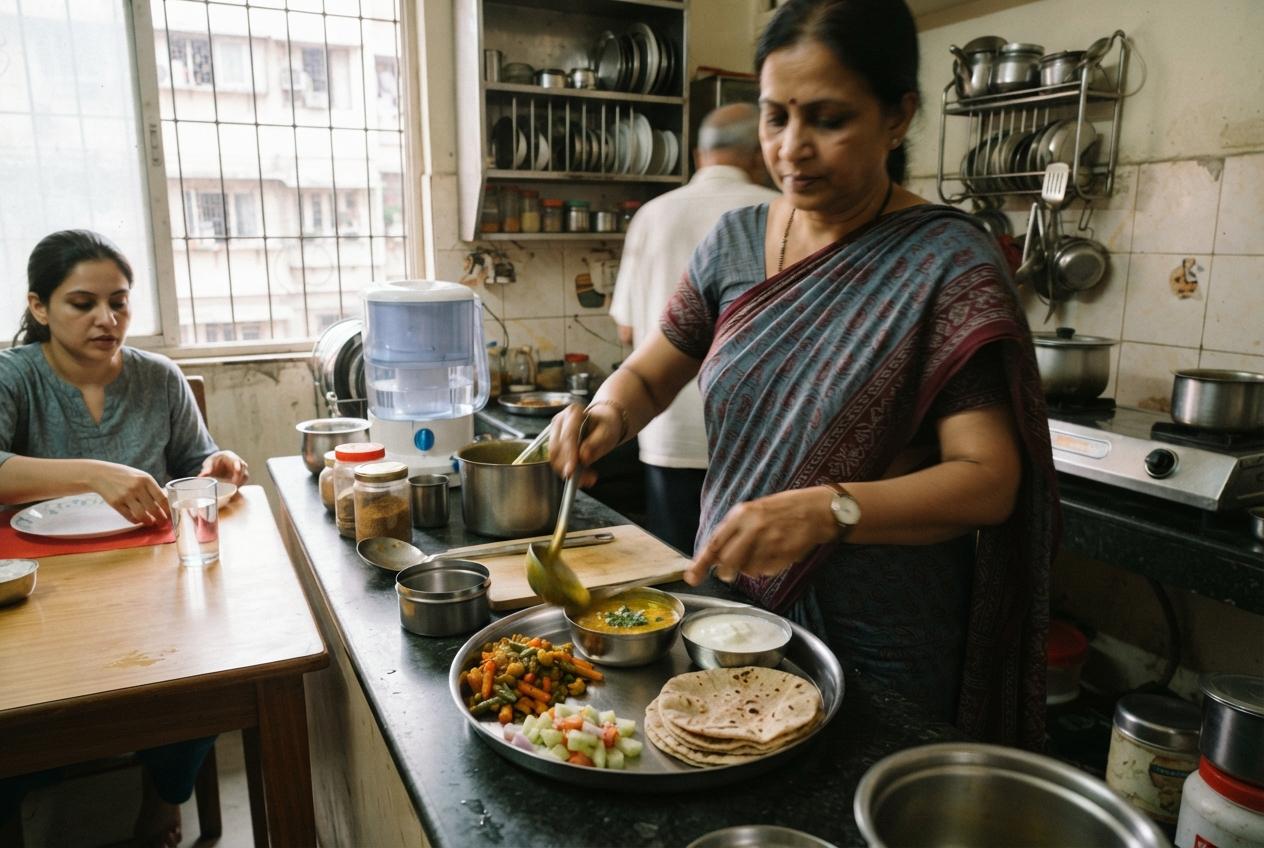
Rather than avoiding rotis, he advises changing the flour blend by mixing wheat with besan, jowar and bajra. He also promotes “preloading” before lunch by eating salad about 20 minutes earlier, which he says can slow glucose absorption. That approach is consistent with wider diabetes advice from WebMD and with food-sequencing guidance from Abbott, both of which say eating vegetables and protein before carbohydrates can help blunt spikes. Dr Misra makes a similar case for dinner, preferring brown or parboiled rice over refined varieties and suggesting protein first, such as a few spoonfuls of dal or rajma before rice.
The same logic, he says, should apply to snacks and sweets. In place of biscuits, he favours roasted makhana, chana, almonds and pistachios, while cautioning that processed biscuits may contain trans fats. He also urged people not to abandon curd, so long as the fat content stays low. Occasional sweets can still fit into the diet when diabetes is under good control, he said, preferring homemade besan or wheat laddus with curd and reserved for weekends. The broader message, according to Dr Misra, is that diabetes management should not feel punitive: the aim is to improve the quality, quantity and timing of familiar foods, not to abolish them.
Disclaimer: This content is for informational purposes only and is not intended to be a substitute for professional medical judgment, advice, diagnosis, or treatment.