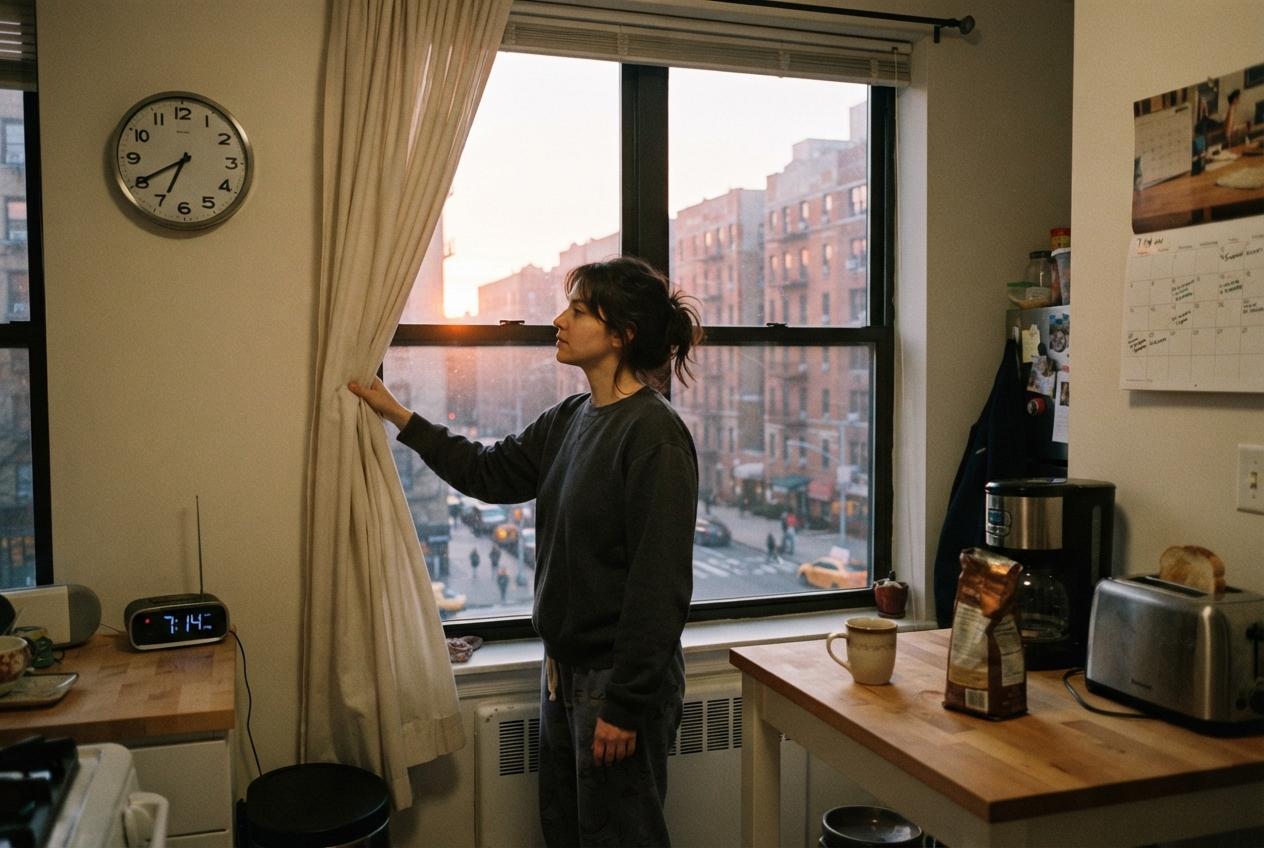

Emerging research and CDC guidance highlight how strategic exposure to light and consistent routines can effectively align the body’s internal clock, improving sleep quality and daytime alertness, even for those with irregular schedules.
Most people notice the problem before they can name it: the day starts too early, concentration sags by mid-afternoon, and evening arrives with a strange mix of fatigue and alertness. According to guidance from the CDC, that pattern often has less to do with character or willpower than with circadian timing, the internal system that helps regulate sleep, wakefulness and other bodily functions. Light is the strongest cue for that clock, while darkness helps signal that it is time to sleep.
That is why the most effective response is usually not a more elaborate bedtime ritual, but a better-shaped day. Morning light, steadier wake times, regular meals and a predictable wind-down all send the body a clearer message about when to be awake and when to rest. The CDC says circadian rhythms are reset by light, and that bright light in the day supports alertness, while reducing bright light in the final hours before bed can make sleep easier.
Research published in Sleep Medicine suggests the same principle can be surprisingly practical. In one study on phase shifting, a 30-minute exposure to bright morning light produced roughly 75% of the shift achieved by a two-hour exposure, showing that a short, repeatable intervention can still move the clock meaningfully. The broader lesson is that consistency often matters more than perfection.
The timing of light matters more than many people realise. CDC training materials note that the circadian system is especially sensitive to light in the morning and evening, but less so in the middle of the day. That means early daylight can help set the body’s schedule, while evening brightness can push sleep later. The same guidance also notes that blue light has the strongest effect on the circadian system, whereas red, orange and yellow light have far less impact.
That does not mean every problem can be solved by chasing daylight. The CDC’s long-hours guidance points out that daytime light can also improve alertness and mood, and that evening darkness supports sleep. In practice, the best approach is usually to strengthen the first light cue of the day, keep midday bright enough to maintain alertness, and then lower light levels well before bedtime.
For people working irregular hours, the challenge becomes more complex. A study in Sleep found that dynamic lighting schedules, combined with non-light cues such as exercise, helped participants adapt to shifted sleep and wake times in simulated night-shift conditions. The implication is important: when the schedule changes, the body often needs more than one signal to reset. Light remains the main lever, but movement and meal timing can reinforce it.
Melatonin can also be part of the picture, but only when used with care. The CDC says it may help shift the timing of the body’s clock, though timing is crucial. Taken at the wrong point in the day, it may do little or even work against the desired shift. That is why the most useful approach is usually to treat it as a timing tool, not a generic sleep aid.
The larger point is that circadian rhythm optimisation is less about hacks than about alignment. A stable wake time, brighter mornings, dimmer evenings, and a routine that respects the body’s timing all help create better sleep and steadier daytime energy. For people whose days are crowded, fragmented or unpredictable, that may be the most realistic route to feeling less tired and more mentally sharp.
Disclaimer: This content is for informational purposes only and is not intended to be a substitute for professional medical judgment, advice, diagnosis, or treatment.