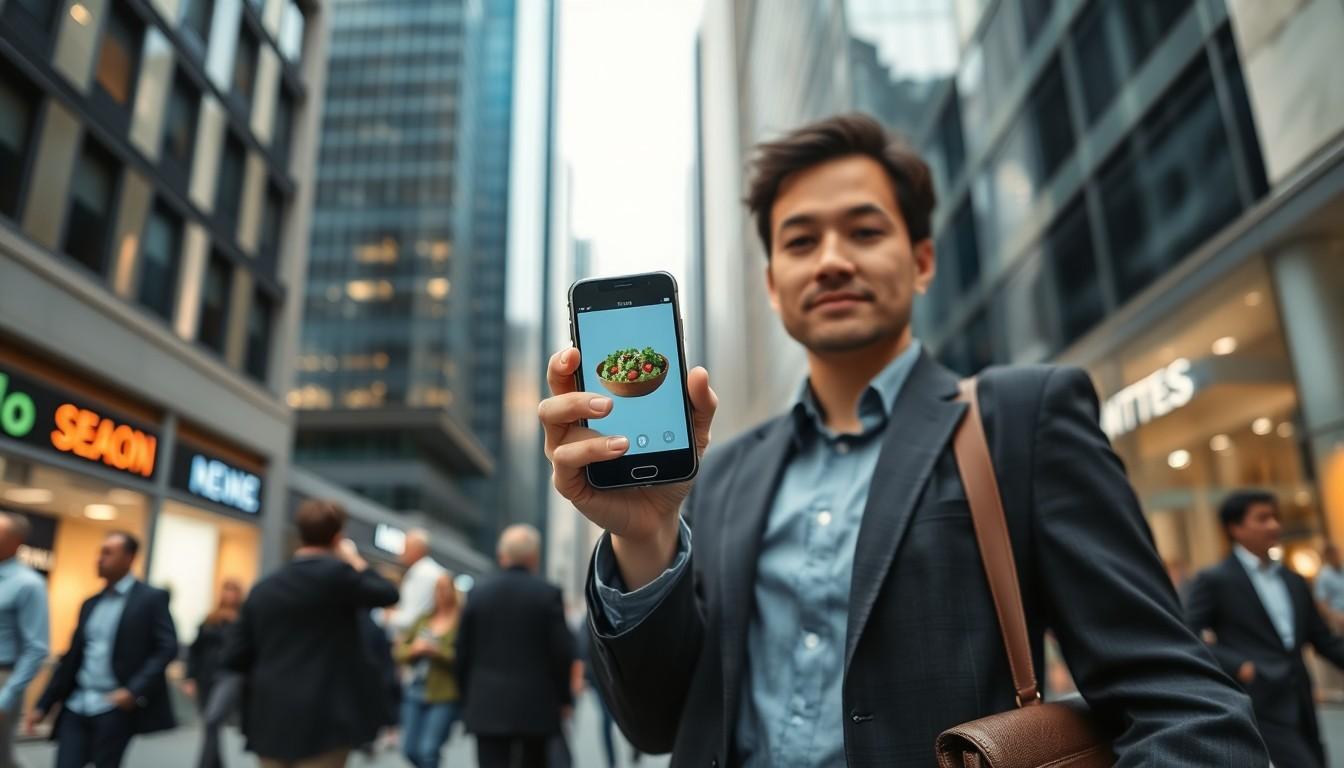

AI-powered meal recognition tools are helping busy professionals maintain healthy eating habits by simplifying food logging amid hectic schedules, shifting focus from perfection to practicality.
For many working professionals, healthy eating is not ignored out of laziness but crowded out by the pace of the day. Meetings spill over lunch, late client dinners replace planned meals, and the small window left for logging food often feels like one task too many. That is where AI nutrition tracking is beginning to change the equation, because it is designed to fit around a schedule that rarely pauses.
According to the EDUCBA article, the weakness of manual tracking is not a lack of discipline but the amount of effort it demands. Searching databases, estimating portions and entering every meal by hand may be manageable for a few days, but it quickly becomes unrealistic when work intensifies. AI systems aim to remove that friction by letting users photograph a meal and receive an instant estimate of calories and macros, rather than turning nutrition logging into a separate administrative job.
That convenience is built on computer vision and related machine-learning techniques, which identify foods in an image and estimate portions from visual cues. As the EDUCBA piece notes, the method is not perfect, especially with mixed dishes, sauces or hidden ingredients, because a camera cannot see everything that contributes to a meal’s energy value. Still, the practical benefit for busy users is consistency: a fast, approximate log is often more useful than an abandoned attempt at exactness.
Related coverage from SnapEat and Nutrola suggests that this appeal is strongest among executives and other time-pressed professionals, who are increasingly treating AI food logging as a way to preserve mental energy for more important decisions. Nutrola describes photo-based tracking as a “Snap & Track” approach, while SnapEat presents instant meal recognition as a way to make healthy eating more accessible during demanding workweeks. The shared theme is not perfection, but reduced decision fatigue.
Clinical nutrition tools point in a similar direction. Nutrition.io says AI is being used not only for meal tracking but also to support documentation, pattern analysis and more personalised planning, while its clinical notes material says automation can reduce charting time by an estimated 30% to 50%. That broader use in healthcare underlines a wider truth: the technology is most valuable when it saves time without sacrificing enough accuracy to matter for everyday decisions.
For professionals trying to build better habits, the best use of AI nutrition tracking is often the simplest. Log meals as they happen, focus on weekly patterns rather than single entries, and treat the app as a visibility tool rather than a rigid diet programme. The latest wave of AI nutrition products is not replacing judgment or accountability, but it is making healthy eating easier to sustain when work leaves very little room for anything else.
Disclaimer: This content is for informational purposes only and is not intended to be a substitute for professional medical judgment, advice, diagnosis, or treatment.