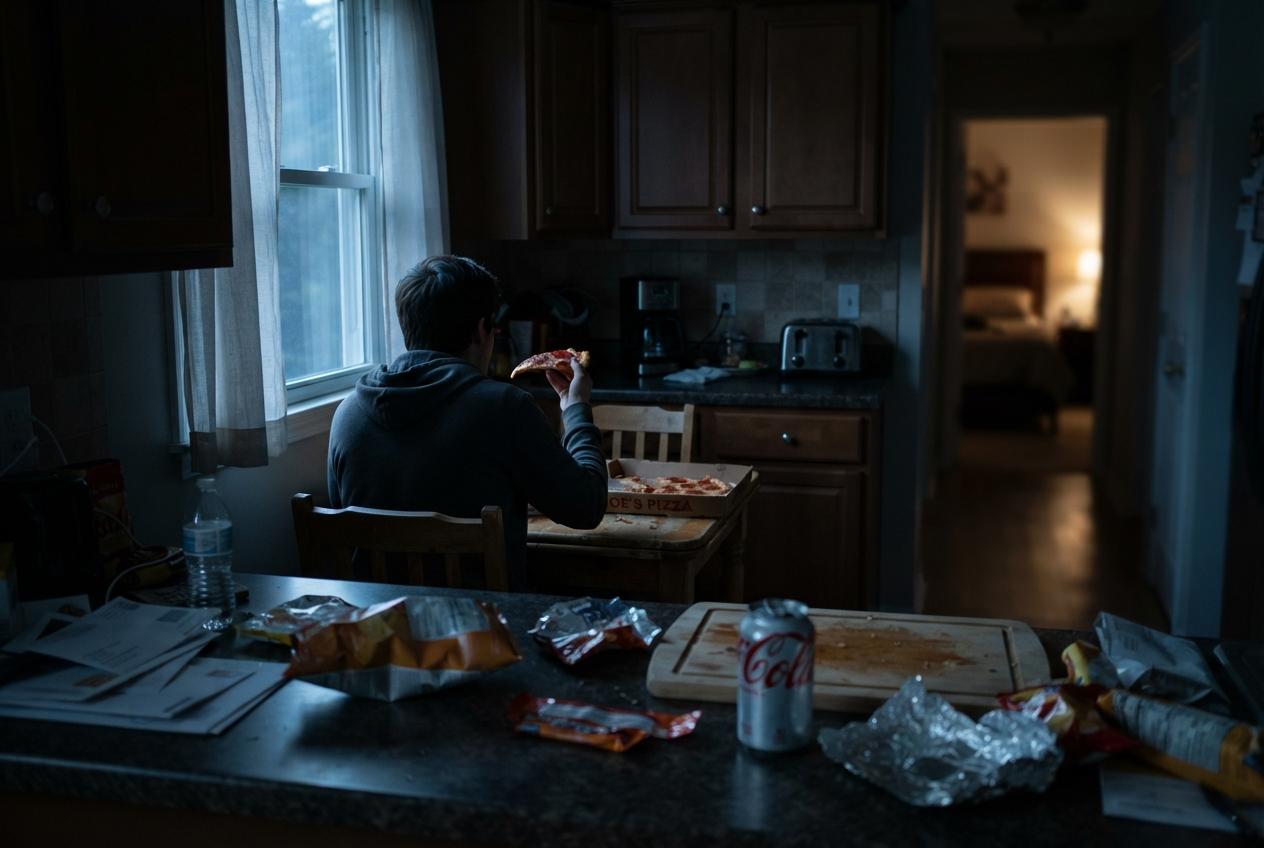

Nutrition experts warn that late-night eating, often dismissed as harmless, can lead to weight gain, sleep disturbances, and metabolic issues, highlighting the importance of mindful meal timings for overall health.
Late-night snacking may seem harmless, but nutrition specialists say the habit can affect far more than appetite. Media Indonesia, drawing on material from Halodoc and Alodokter, warned that regularly eating after dinner can contribute to weight gain, disrupt sleep, trigger reflux and unsettle digestion. Research summaries from Healthline and the National Center for Biotechnology Information likewise link late eating with changes in circadian rhythm, poorer insulin sensitivity and greater fat storage.
One of the clearest concerns is calorie intake. When people eat in the hours before bed, they often choose energy-dense foods such as fried snacks, sweets or instant noodles, according to the report. That can push total daily calories higher, while the body is less likely to use the energy immediately. Healthline notes that eating late can affect metabolic health by reducing insulin sensitivity, which may help explain why the habit is associated with weight gain over time.
Sleep can suffer as well. WebMD says food eaten too close to bedtime may leave the digestive system active when the body should be winding down, making sleep lighter or more fragmented. The Mayo Clinic similarly advises leaving two to three hours between the last meal and bedtime to reduce the risk of sleep disruption and acid reflux. For people who already experience indigestion, eating late can worsen a feeling of heaviness, bloating or discomfort.
There are broader health implications too. Medical News Today has reported that eating a large share of daily calories after 9 p.m., particularly under stress, has been linked with more digestive complaints such as constipation or diarrhoea. The combination of irregular meal timing, sugary snacks and poor sleep may also encourage unstable blood sugar, stronger cravings the next day and a greater tendency to overeat while distracted, especially if food is consumed alongside a screen. Over time, the habit may also harm dental health if sweet snacks are eaten without proper brushing before bed.
Disclaimer: This content is for informational purposes only and is not intended to be a substitute for professional medical judgment, advice, diagnosis, or treatment.