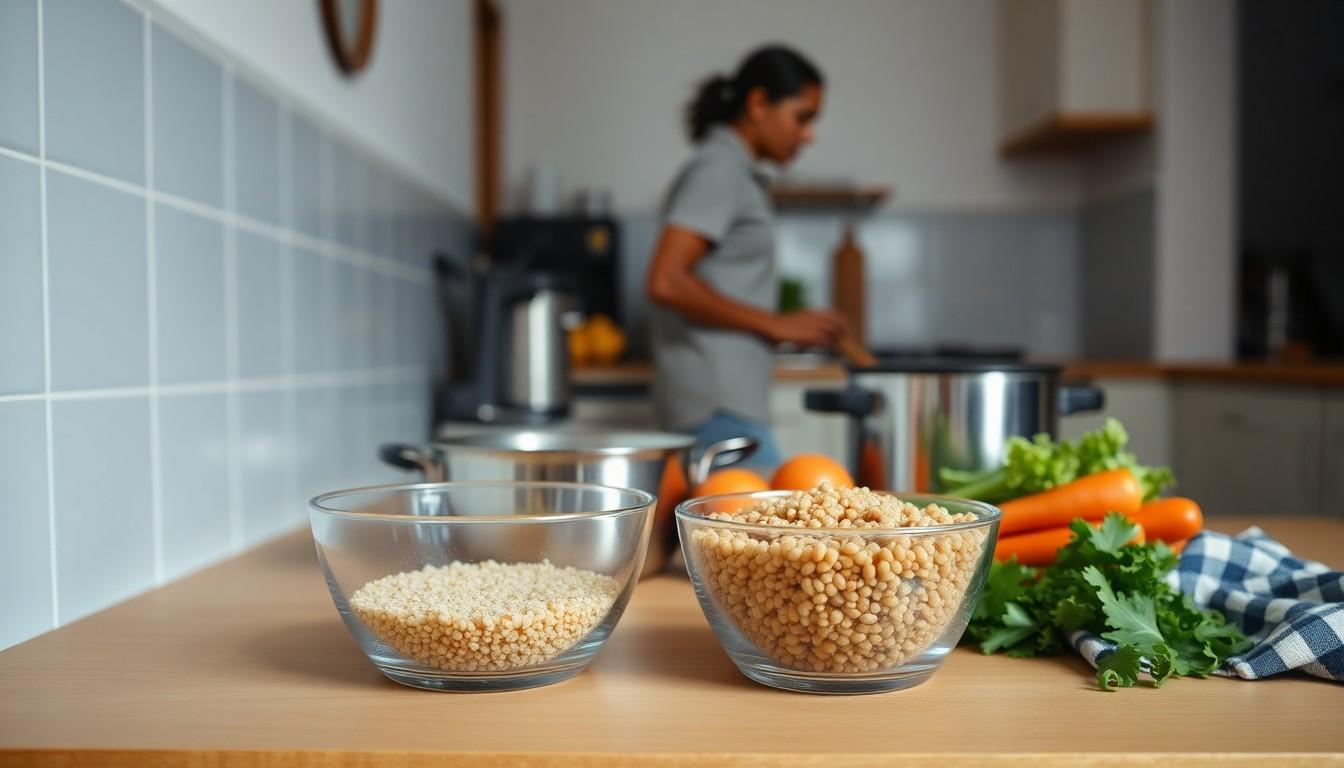

A Colombian endocrinologist emphasises the importance of choosing the right carbohydrate sources, such as quinoa, chickpeas, beans, and lentils, to support liver health and metabolic regulation, advocating for a balanced, portion-conscious diet across the week.
Carbohydrates do not all behave the same way in the body, and that distinction matters for people dealing with fatty liver, insulin resistance or a heightened risk of prediabetes. According to the Colombian outlet El Diario NY, internist and endocrinologist Dr Rawdy Reales argues that the right sources of carbohydrate can support metabolic health rather than undermine it, particularly when they are eaten in sensible portions across the week.
His shortlist centres on sweet potato, quinoa, chickpeas, beans and lentils, all of which are naturally rich in fibre and other nutrients that slow digestion and reduce blood-sugar spikes. Healthline and WebMD both note that quinoa has a relatively low glycaemic index, substantial plant protein and a fibre content that can help with satiety and cholesterol control, while Medical News Today similarly describes it as a more blood-sugar-friendly choice than white rice.
Legumes feature prominently in the broader evidence base. NutritionFacts, summarising research on chickpeas, says they are rich in protein, iron, zinc, potassium and fibre, and are linked with improvements in blood sugar regulation, insulin levels and cholesterol. El Diario NY extends that argument to beans and lentils, presenting them as useful staples for people trying to steady glucose levels while also supporting the gut microbiota.
The article also highlights lentils as especially practical because they are inexpensive, versatile and nutrient-dense. Infobae, in a separate report on fatty liver, likewise pointed to lentils, chickpeas and beans as useful protein sources in dietary strategies aimed at improving liver health. That said, experts generally stress that no single food reverses fatty liver on its own; the broader pattern of eating, weight management and physical activity remains crucial.
Dr Reales’ advice is to spread these carbohydrates through the week rather than pile them onto one plate, and to pair them with vegetables, protein and careful preparation. El Diario NY says he recommends eating vegetables first, then the carbohydrate, to slow absorption, and soaking legumes for several days before cooking to reduce antinutrients. The underlying message is simple: with the right choices, carbohydrate can be part of a liver-friendly, glucose-conscious diet rather than something to fear.
Disclaimer: This content is for informational purposes only and is not intended to be a substitute for professional medical judgment, advice, diagnosis, or treatment.