
A leading weight-loss writer warns that smoothies can be disguised sugar bombs, prompting health experts to emphasise mindful blending techniques to prevent blood sugar spikes and overconsumption.
A popular weight-loss writer has argued that the humble breakfast smoothie can be more of a sugar bomb than a health food, and the wider nutrition literature supports at least part of that warning. Cathy Morenzie says she used to make her mornings with fruit-heavy blends of banana, mango and pineapple, only to realise that a single glass could contain far more sugar than her body could comfortably handle. Her conclusion is stark: what looked wholesome on the surface was behaving more like dessert, particularly for anyone trying to keep blood sugar steady.
That concern is not limited to one personal experience. WeightWatchers says smoothies can be misleading because ingredients that score as ZeroPoint foods when eaten whole may carry a different Points value once blended. The company notes that the drink form changes how food is tracked in its system and encourages users to log smoothies carefully. A separate WeightWatchers guide to fruit says fresh and frozen fruit without added sugar remain ZeroPoint foods, but the moment they are turned into smoothies or juice, they are counted differently.
Nutritional experts also say the composition of a smoothie matters. EatingWell has reported that adding protein, healthy fats and fibre can help blunt blood sugar spikes, while avoiding fruit juice bases can reduce the risk of a rapid rise in glucose. Diabetes UK likewise warns that smoothies and juices can contribute to free sugar intake and may affect blood sugar management more than whole fruit, even when the ingredients appear simple and natural.
There is, however, a useful nuance here: blended fruit is not automatically unhealthy. Science-focused nutrition coverage has pointed out that smoothies still retain fibre and micronutrients, which can produce a different glycaemic response from juice and may be less problematic when made thoughtfully. The challenge is that liquid calories are easy to overconsume, and a large fruit blend can deliver a concentrated sugar load before the body has time to register fullness.
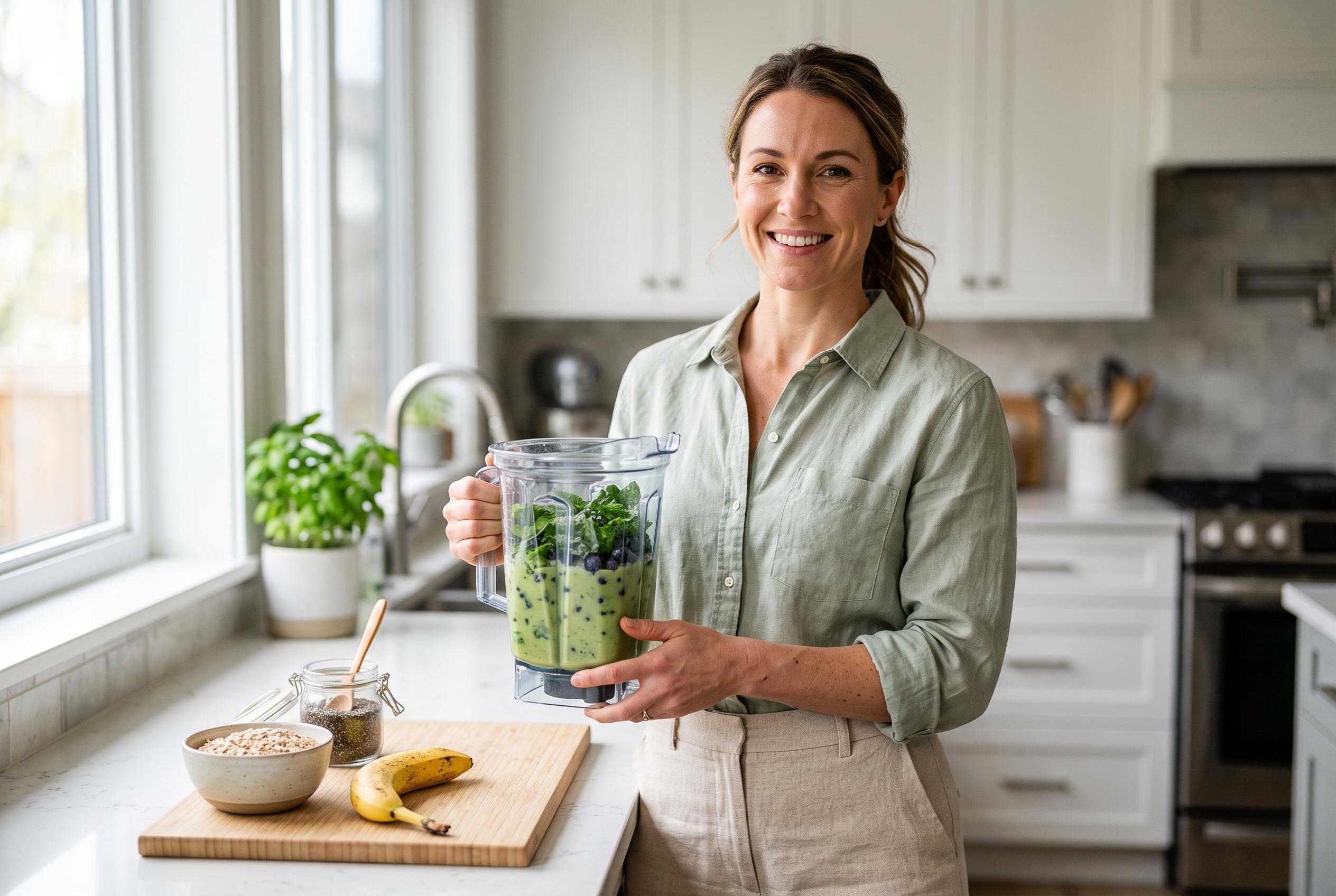
Morenzie says she addressed the problem by rebuilding her smoothies from the ground up. Rather than starting with fruit, she now begins with protein and healthy fats, uses fruit as an accent rather than the base, and avoids juice entirely. She says herbal tea now provides the liquid in some of her blends, helping her keep flavour without piling on sugar. Her message is less about banning smoothies than about making them fit the body, not the other way round.
Disclaimer: This content is for informational purposes only and is not intended to be a substitute for professional medical judgment, advice, diagnosis, or treatment.