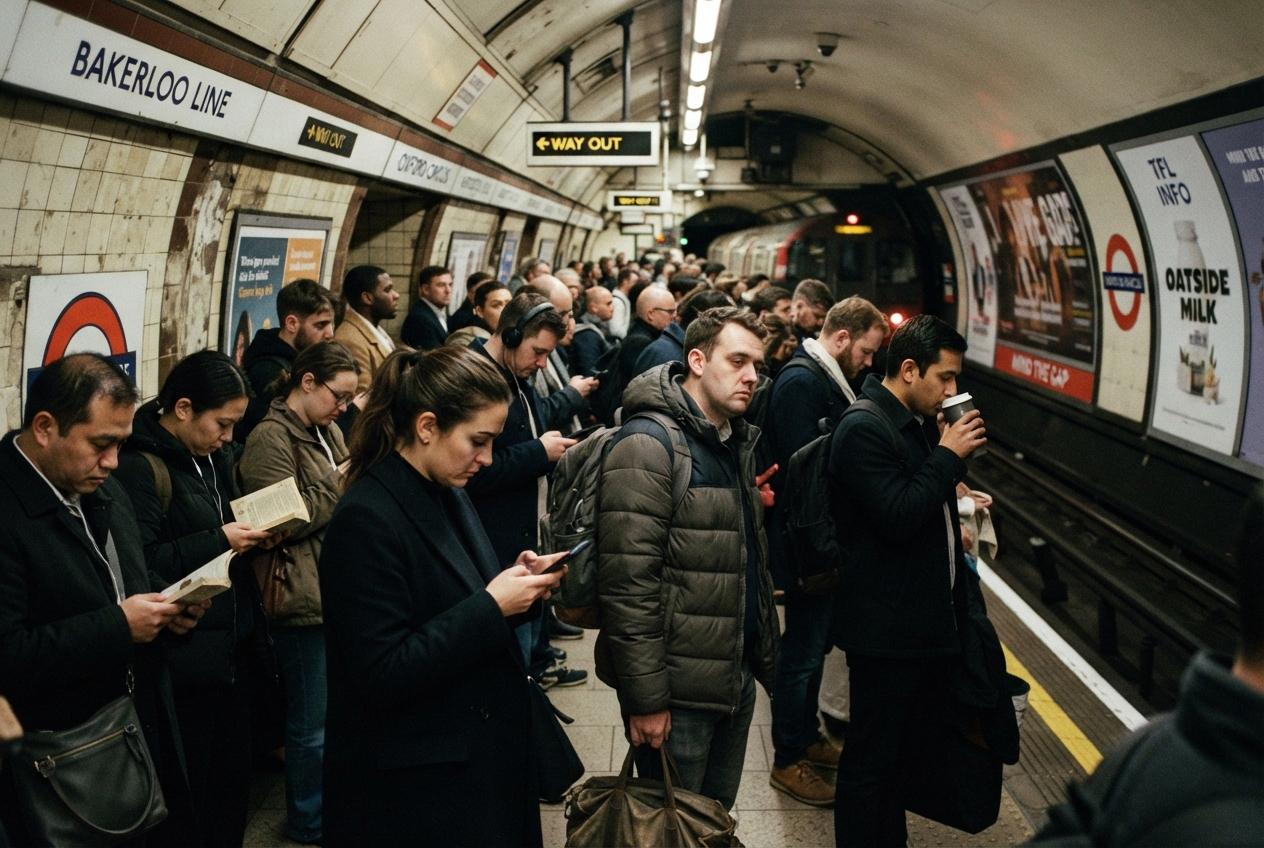

Amid mounting pressure, health authorities emphasise that maintaining basic routines such as sleep, hydration, and mindful activities is crucial for resilience, yet recognise when professional support becomes necessary.
When pressure mounts, self-care can start to look like one more demand on an already overloaded life. Yet health experts say it is precisely in those periods that the basics matter most. Cornell Health advises prioritising sleep, nutrition, movement and time outdoors, while the Mayo Clinic has long stressed that prolonged stress keeps the body in a fight-or-flight state that can wear down both mind and body. In that sense, self-care is less about comfort than about keeping functioning on track.
The practical response, according to Psych Central and Mayo Clinic News Network, is to make self-care smaller, not grander. That can mean protecting sleep, drinking enough water, limiting screen time, spending time with trusted people and using simple grounding techniques when anxiety begins to build. The emphasis is on restoring capacity rather than chasing calm, with activities such as journalling, gentle exercise, time in nature and mindfulness helping to reduce the strain of constant arousal.
There is also a point at which self-care is no longer enough. If low mood, hopelessness, loss of interest or changes in sleep, appetite and energy persist, mental health specialists say it may be time to seek professional support rather than trying to push through alone. The article’s advice on therapy aligns with guidance from MentalHealth.com and the Mayo Clinic, which both frame self-care as part of broader emotional, psychological and physical support, not a substitute for treatment when symptoms become more serious.
What helps most in the short term is often the simplest approach. Cornell Health and Spirituality & Health both point to preserving routines, setting boundaries and avoiding the trap of trying to do everything at once. The article’s suggestion to narrow the day to a few essential tasks reflects that same logic: reduce decision fatigue, protect basic needs and stop treating exhaustion as a character flaw. If stress becomes overwhelming or leads to thoughts of self-harm, immediate help is available in the United States through 988, the Suicide & Crisis Lifeline, which provides free, confidential support around the clock.
Disclaimer: This content is for informational purposes only and is not intended to be a substitute for professional medical judgment, advice, diagnosis, or treatment.