

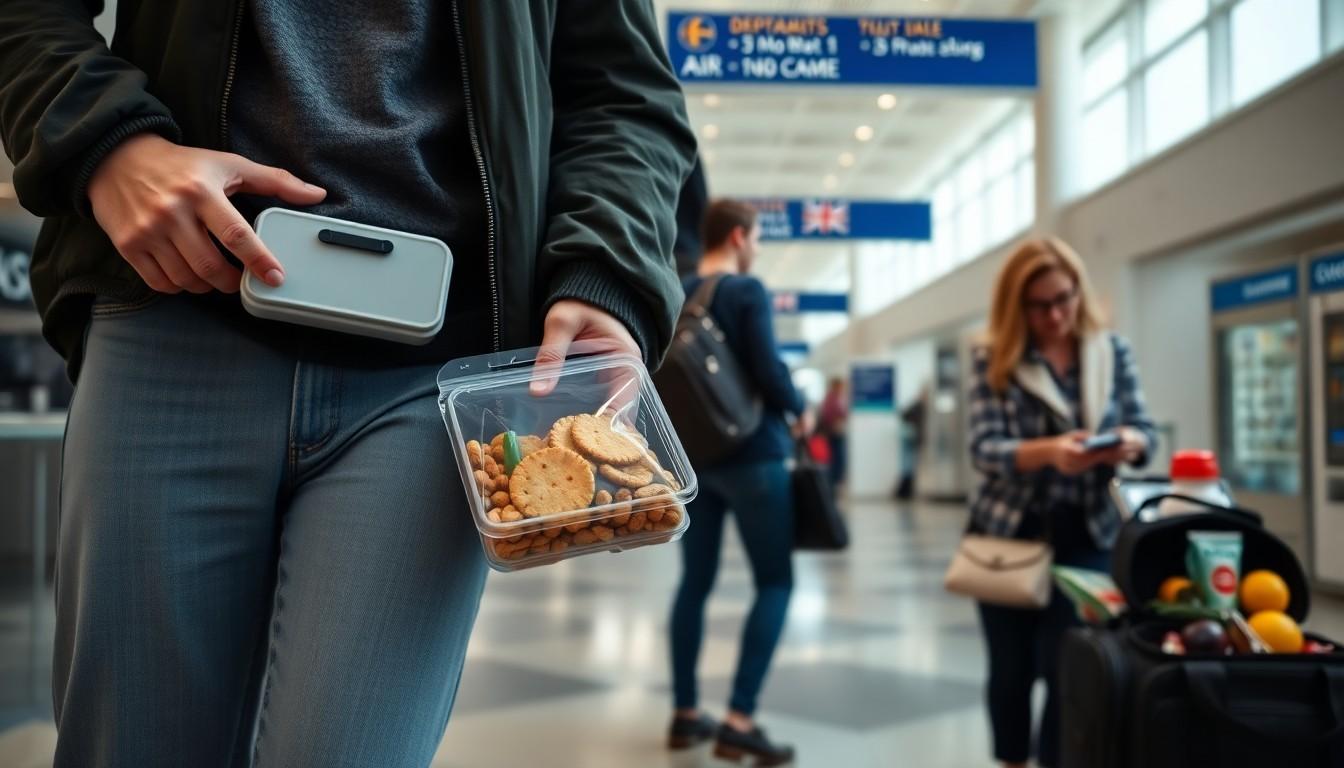

With careful planning and mindful choices, travellers with type 2 diabetes can navigate airports and dining out without compromising blood sugar control, thanks to expert advice on meal prep, snack selection, and sugar awareness.
Travelling with type 2 diabetes often means navigating long security lines, irregular meal times and menus built for convenience rather than balance. But with a little planning, experts say it is still possible to keep blood sugar steadier without feeling deprived. The Centres for Disease Control and Prevention advises people with diabetes to pack medicines, glucose supplies and snacks in carry-on bags, and notes that liquid medications and fast-acting sugar sources can usually be taken through security in quantities above the standard liquid limit. It also recommends adjusting meals and medication schedules for time zones and making sure glucose monitors and insulin pumps are protected from damage.
At airports, dietitians suggest treating food decisions as part of the travel plan, not an afterthought. Checking nutrition information in advance, if it is available, can help passengers steer towards meals with sensible carbohydrate levels and fewer added sugars. A practical aim, according to guidance cited by health and lifestyle outlets, is to choose carbohydrates that are whole grain, fibre-rich and paired with protein, rather than refined snacks that digest quickly and leave people hungry again soon after.
Health professionals also point to simple grab-and-go options that are more likely to support satiety and steadier glucose levels. Boiled eggs, unsalted nuts, hummus with vegetables, apple slices, peanut butter and low-sugar Greek yoghurt are among the commonly recommended choices. Protein packs containing cheese, turkey, whole-grain crackers or fruit can also be useful when time is short. Even salad can be a good choice, dietitians say, provided the dressing is used sparingly and added sugar is kept in check.
The bigger warning is hidden sugar, which can lurk in pastries, muffins, granola bars, sweetened coffees, juices and other heavily processed snacks. WebMD and Food Network both advise travellers to favour water over sugary drinks, avoid relying on fast-food staples and plan ahead where possible by bringing portable snacks from home. For business dinners, the same principles apply: keeping meals closer to usual eating times, choosing grilled proteins and whole grains, and limiting high-fat or high-sugar extras can make dining out easier to manage.
Disclaimer: This content is for informational purposes only and is not intended to be a substitute for professional medical judgment, advice, diagnosis, or treatment.