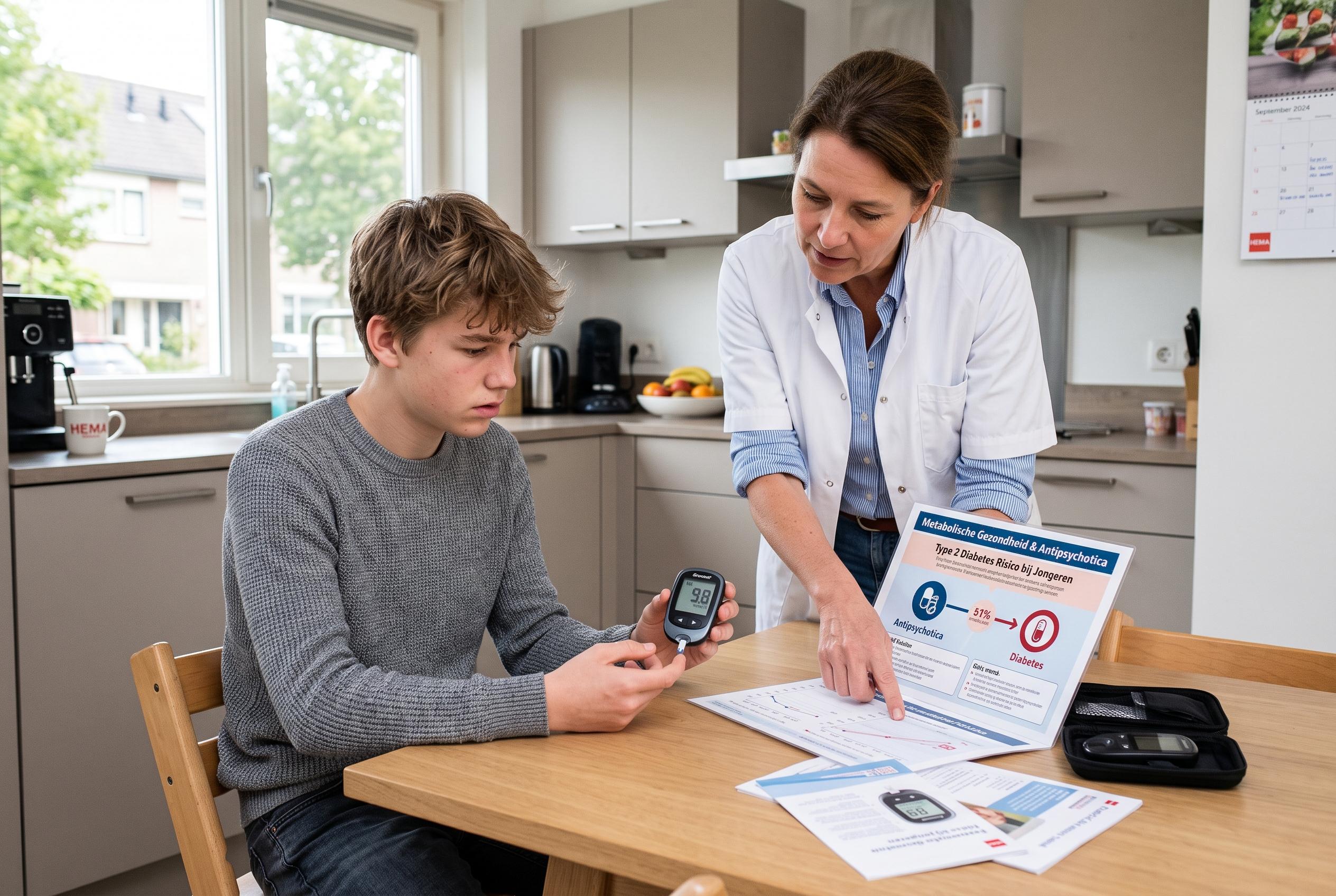

A large Dutch cohort study shows that starting antipsychotic medications in children and adolescents leads to a significant and lasting increase in pharmacologically treated type 2 diabetes, prompting calls for early metabolic monitoring and lifestyle interventions.
A large Dutch cohort study has found that starting antipsychotic treatment in childhood or adolescence is followed by a sharp and sustained rise in pharmacologically treated type 2 diabetes, adding fresh weight to concerns about the metabolic burden of these medicines in young people. Writing in JAMA Network Open, researchers said they tracked 89,991 people aged 0 to 19 years using national registry data and compared each patient with themselves across five years before and five years after their first antipsychotic prescription. That design was intended to reduce bias from fixed individual factors that can distort earlier observational work.
Before treatment began, the rate of treated type 2 diabetes remained low and broadly stable. Once antipsychotic use started, prevalence climbed quickly: from 6.22 cases per 10,000 users in the initiation year to 14.58 per 10,000 users by year five, equivalent to 9.02 additional cases per 10,000 users compared with the year before treatment. The investigators reported no significant pre-treatment trend, strengthening the case that the change emerged after exposure rather than from an already worsening trajectory.
The increase was not evenly distributed. By year five, the excess risk was markedly higher in girls than boys, and older adolescents carried a greater burden than younger children. The study also suggested that risk could persist even after short exposure: young people treated only in the initiation year still had elevated diabetes risk years later, while those with repeated exposure showed a steeper rise. Household income, by contrast, did not appear to strongly alter the pattern.
The findings fit a broader body of evidence linking antipsychotics with diabetes in younger patients. A 2019 review in Current Diabetes Reports concluded that diabetes is substantially more common in people with severe mental illness, with second-generation antipsychotics implicated through both weight gain and more direct effects on insulin sensitivity and insulin secretion. Earlier cohort research and later meta-analytic evidence have also reported materially higher diabetes risk after antipsychotic exposure in youth, suggesting the Dutch results are part of a consistent signal rather than an isolated finding.
Researchers have proposed several biological routes for this effect, including direct interference with insulin regulation and central nervous system changes that disrupt glucose sensing. But the more immediate concern, the Dutch authors argued, is clinical practice: metabolic monitoring in young people prescribed antipsychotics remains inconsistent, and many children receive little or no laboratory follow-up. They called for screening to begin at treatment initiation, alongside early lifestyle support such as dietary advice and exercise promotion. Pharmacists, according to a 2023 commentary in the International Journal of Clinical Pharmacy, may also have a useful role in counselling, monitoring side effects and helping to reduce unnecessary polypharmacy.
The study has limitations. Its outcome measure captured only pharmacologically treated diabetes, so milder or undiagnosed cases would have been missed. It also could not distinguish cleanly between individual antipsychotic drugs, even though previous research suggests metabolic risk varies by agent. Even so, the authors said the overall message was clear: the metabolic consequences of antipsychotic use in young people can emerge quickly and may persist, underlining the need for closer monitoring from the outset.
Disclaimer: This content is for informational purposes only and is not intended to be a substitute for professional medical judgment, advice, diagnosis, or treatment.