

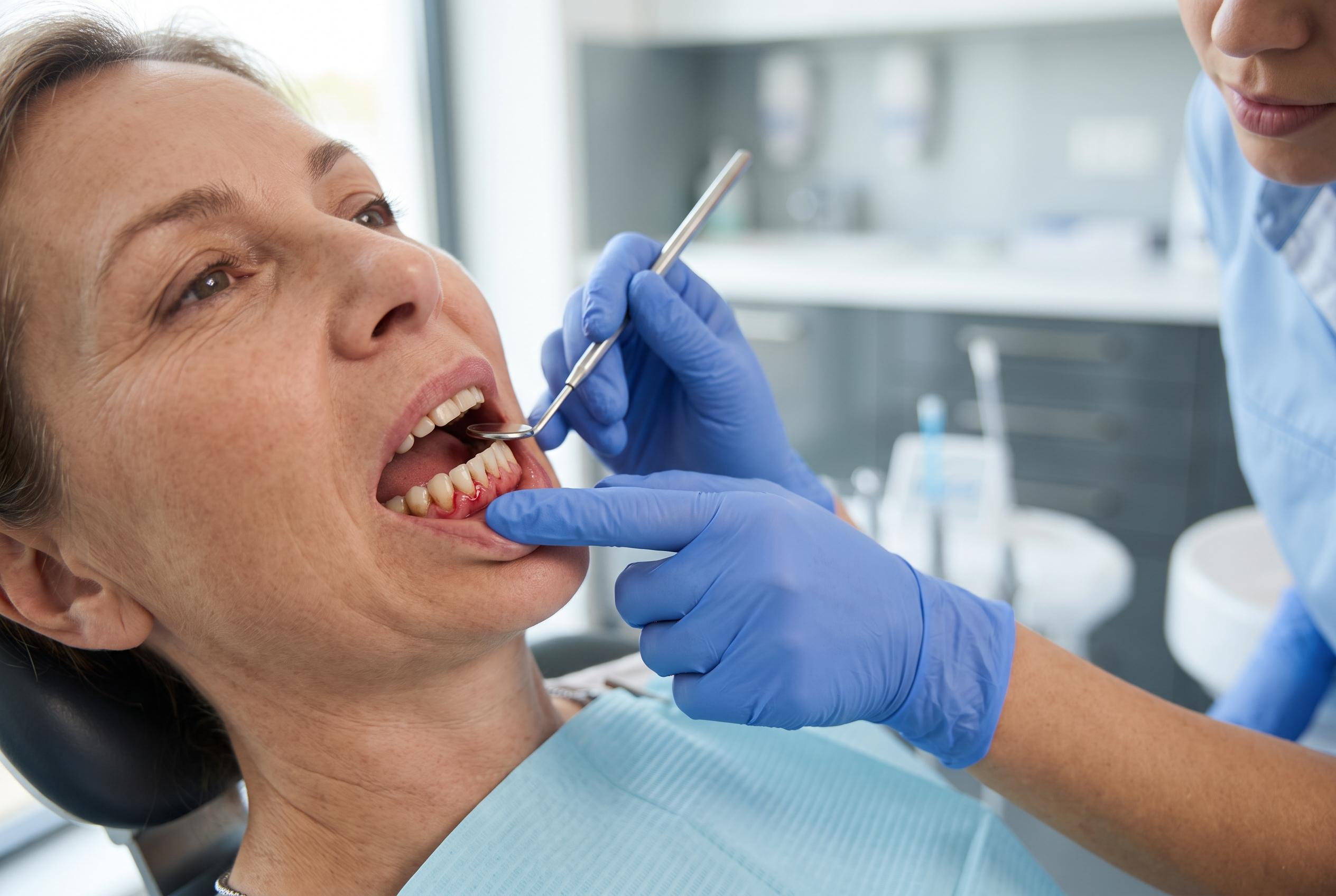

A large review indicates that gum disease, particularly periodontitis, could be an early warning sign for type 2 diabetes, highlighting the importance of oral health in disease prevention.
A visit to the dentist may reveal more than cavities or worn enamel: it could also point to a higher risk of type 2 diabetes. A large review published in The Lancet Public Health, covering data from more than 300,000 people, found that gum disease was linked to a greater chance of later being diagnosed with the condition. In Slovakia alone, about 350,000 people are living with diabetes, making any clue that helps identify risk especially important.
The condition at the centre of the findings is periodontitis, a serious form of gum disease in which long-term inflammation damages the tissue and bone that support the teeth. According to ScienceAlert’s explanation of the research, symptoms can include swollen or bleeding gums, loose teeth and, in severe cases, tooth loss. The international team behind the review, led by periodontologist João Botelho of Egas Moniz School of Health and Science in Portugal, examined 28 long-term studies from 16 countries to see which condition tended to come first.
Across six studies tracking nearly 29,000 people over periods ranging from 5 to 20 years, those who already had periodontitis were 18% to 25% more likely to develop newly diagnosed type 2 diabetes than people without gum disease. Complete tooth loss also appeared to be a warning sign, with a 30% higher incidence of new diabetes diagnoses during follow-up. The relationship appeared to run in the opposite direction too, although the evidence was less consistent: people who already had diabetes were more likely to go on to develop gum disease and lose teeth.
Researchers say the connection may be explained by inflammation. Persistent gum disease can allow bacteria and inflammatory molecules to enter the bloodstream, potentially affecting how the body responds to insulin, the hormone that helps move glucose out of the blood and into cells. In the other direction, high blood sugar can slow healing and weaken the body’s defences against infection, making people with diabetes more vulnerable to oral disease. The Lancet authors stressed, however, that these were observational studies rather than controlled experiments, so they do not prove that one condition directly causes the other.
The findings carry particular weight in Slovakia, where diabetes is not only common but also expensive for the health system and the wider economy. STVR has reported that most Slovak patients have type 2 diabetes, while experts cited by the broadcaster say the disease costs the country more than €2 billion a year, much of it through lost productivity. That makes routine dental care potentially more important than many patients realise, especially because the first signs of diabetes can often appear in the mouth before people notice the classic symptoms of thirst, frequent urination and fatigue.
Disclaimer: This content is for informational purposes only and is not intended to be a substitute for professional medical judgment, advice, diagnosis, or treatment.