

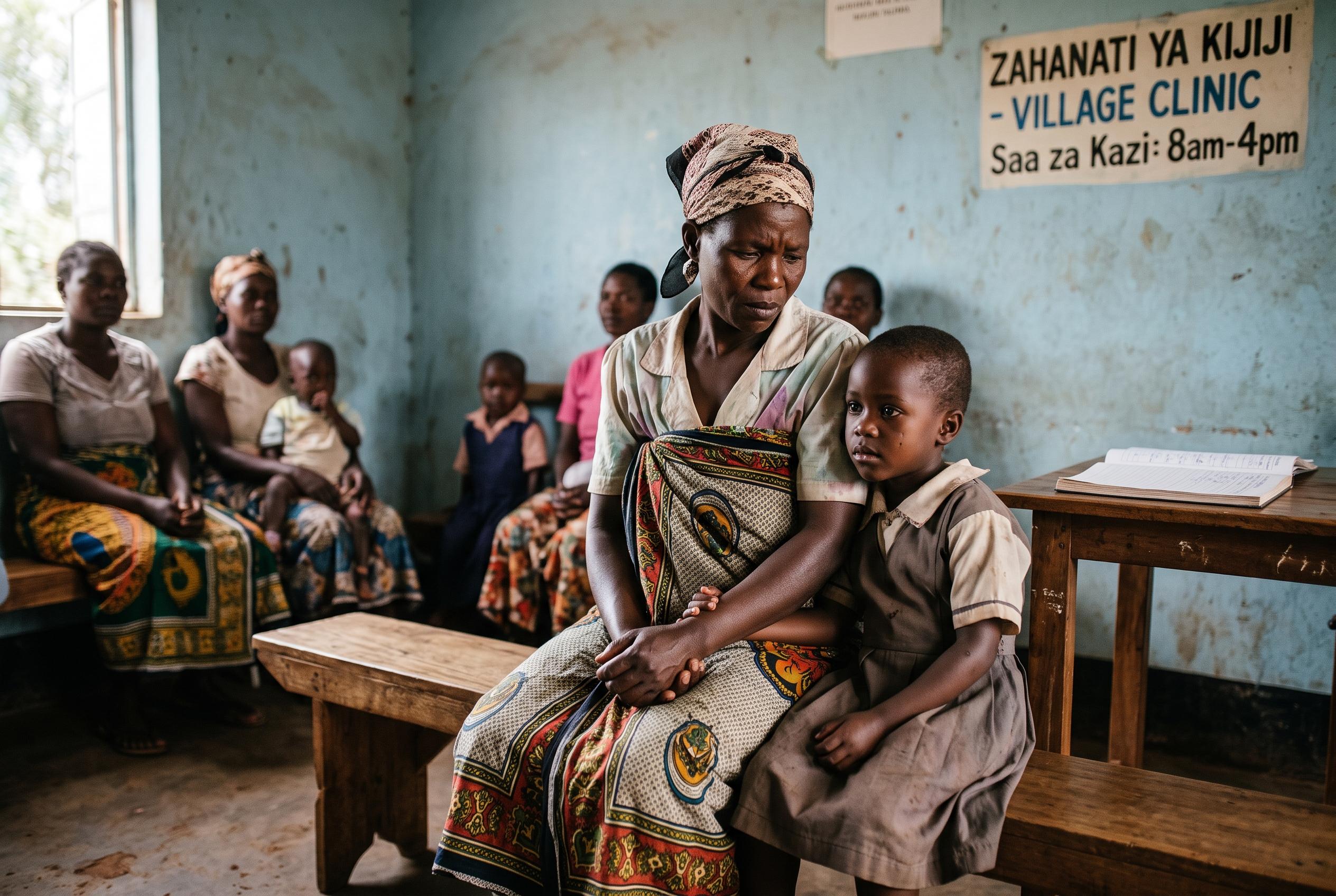

Health experts warn that misdiagnosis and lack of awareness are causing late detection of childhood endocrine disorders in Kenya, with Type 1 diabetes emerging as a critical concern. Early recognition and improved access to care could save hundreds of young lives annually.
Health experts in Kenya are warning that endocrine disorders in children are being missed far too often, with Type 1 diabetes emerging as the most urgent concern. The condition is now affecting about 6,500 Kenyan children, and health reporting has linked it to 1,380 new diagnoses and 570 deaths in 2024 alone, figures that underline how much harm can follow when treatment is delayed or insulin is out of reach. According to the Access to Medicine Foundation and Kenyan hospital reporting, many of those deaths were avoidable.
Type 1 diabetes is an autoimmune disease in which the body attacks the insulin-producing cells in the pancreas, leaving children unable to regulate blood glucose properly. Doctors say the early warning signs are usually clear enough if families and clinicians know what to look for: excessive thirst, frequent urination, unexplained weight loss and persistent tiredness. The trouble is that these symptoms are often mistaken for a temporary illness, meaning some children are only diagnosed after developing diabetic ketoacidosis, a medical emergency that can be fatal.
Research presented in 2025 by Gertrude’s Children’s Hospital and Aga Khan University Hospital suggested that late presentation is common even in better-resourced settings in Nairobi, where more than half of children with Type 1 diabetes were already in critical condition at first diagnosis. The same body of reporting placed the average age at diagnosis at eight, a reminder that this is not a remote or abstract problem but one affecting school-age children in their everyday lives. The Access to Medicine Foundation also said Kenya ranks 44th among 113 low- and middle-income countries for Type 1 diabetes prevalence in children and young people under 20.
Specialists say diabetes is only one part of a wider endocrine burden. Thyroid disorders, growth hormone deficiency and vitamin D deficiency are also among the more common hormone-related conditions seen in children. These illnesses can affect growth, energy, concentration, mood and puberty, sometimes in ways that are mistaken for behavioural or learning problems. Most respond well to treatment when found early, but they can quietly worsen when they are not.
Doctors and advocates also point to misinformation as a major obstacle. Some families still believe childhood diabetes is caused by sugar intake alone, or that it can be managed with diet, herbs or other non-medical remedies. Others fear stigma or assume the disease is infectious. Health workers say these beliefs can keep children away from care until their condition becomes severe.
The wider challenge is not just awareness among parents, but also among frontline health workers and teachers. Because schools see children for long stretches of the day, educators may be among the first to spot unusual thirst, weight loss or a child who seems persistently unwell. Analysts say basic training in school health programmes could help identify warning signs sooner, while better access to paediatric endocrinology, insulin, glucose monitoring and insurance coverage would reduce the burden on families. The message from clinicians is simple: early detection remains the difference between long-term management and needless loss of life.
Disclaimer: This content is for informational purposes only and is not intended to be a substitute for professional medical judgment, advice, diagnosis, or treatment.