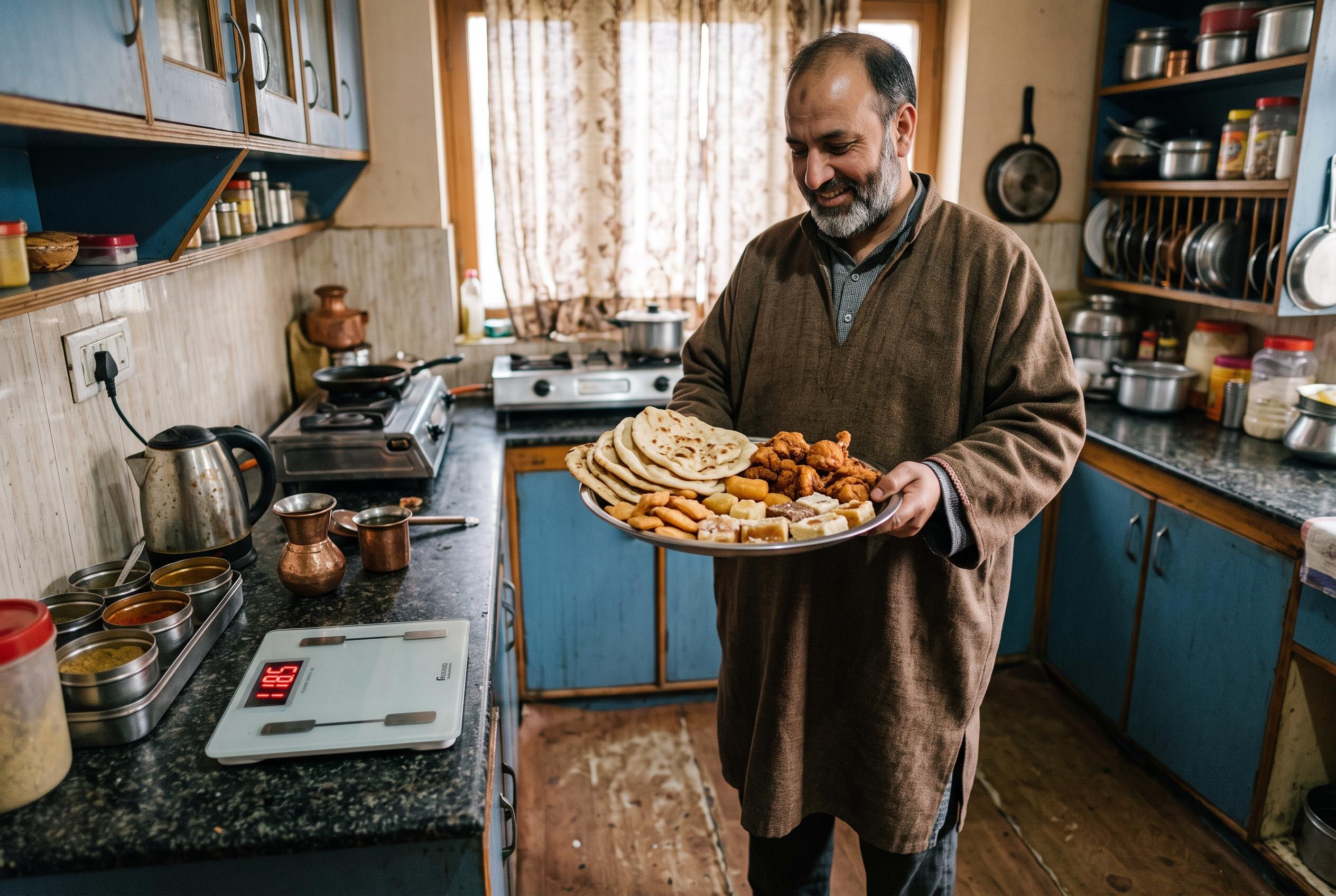

Doctors in Kashmir report a surge in chronic illnesses such as obesity, diabetes, and fatty liver, signalling a lifestyle crisis that threatens to overwhelm the region’s health system and underscores the urgent need for early intervention and lifestyle изменений.
Doctors in Kashmir say the region is facing a steady rise in chronic, non-communicable illnesses, with diabetes, high blood pressure, obesity, heart disease and fatty liver all becoming more common. Health workers and local reports point to a similar pattern: people are moving less, eating more processed food, sleeping poorly and living with higher levels of stress than in previous generations.
Greater Kashmir reported that more than 57% of the population is obese, 32.4% have high blood pressure and more than 8% have diabetes, while 10.5% of younger people show pre-diabetic metabolic abnormalities. Other regional reporting says the burden is no longer limited to older patients, with cases increasingly appearing among middle-aged adults, young professionals and even adolescents.
Fatty liver is emerging as a particular concern. Doctors quoted by The Kashmir Images and Morning Kashmir warned that as many as one-third of people in Jammu and Kashmir may be affected, often with the condition first detected during routine check-ups. They said the illness is closely tied to obesity, Type 2 diabetes and high blood pressure, and can progress from an early, reversible stage to fibrosis, cirrhosis and even liver cancer if ignored.
The wider message from doctors is that prevention has to start earlier, before symptoms force people into treatment. That means regular screening, more physical activity, better sleep, less reliance on salt-heavy and sugar-rich diets and earlier attention to warning signs. Local commentators say the strain is already being felt by Kashmir’s health system, making lifestyle change not just a personal choice but a public health necessity.
Disclaimer: This content is for informational purposes only and is not intended to be a substitute for professional medical judgment, advice, diagnosis, or treatment.